
Shifted From Competition To Conflict Continuum: Navy Chief Flags Maritime Threats At Commanders’ Conference 2026
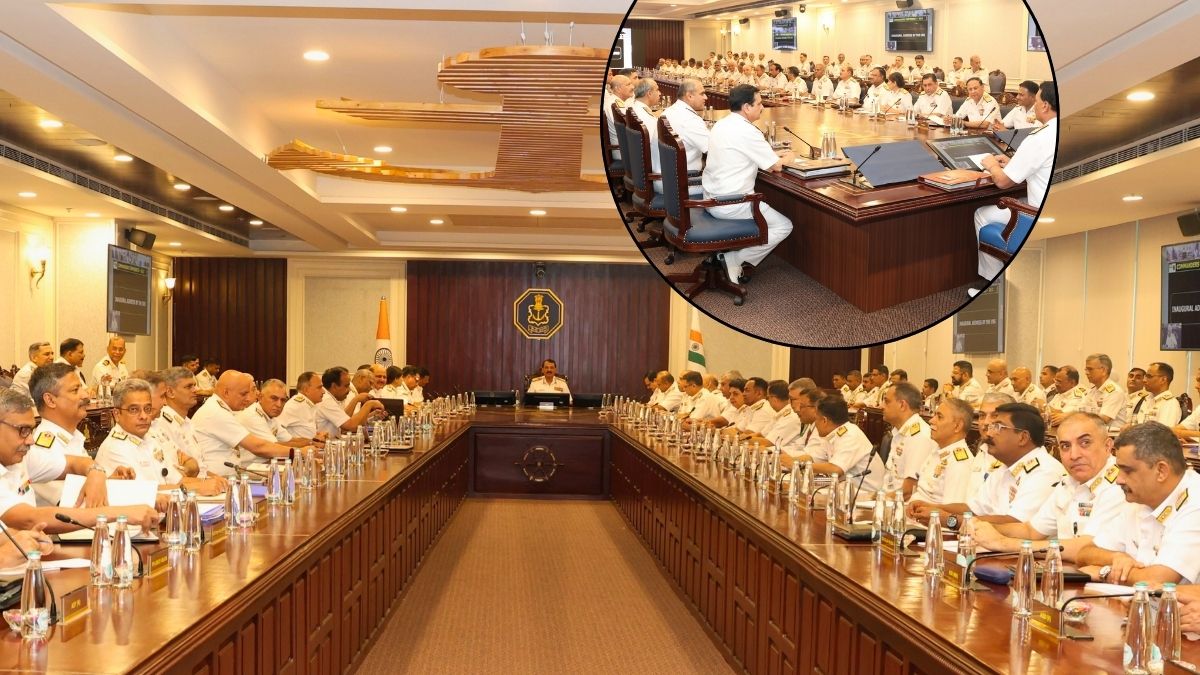
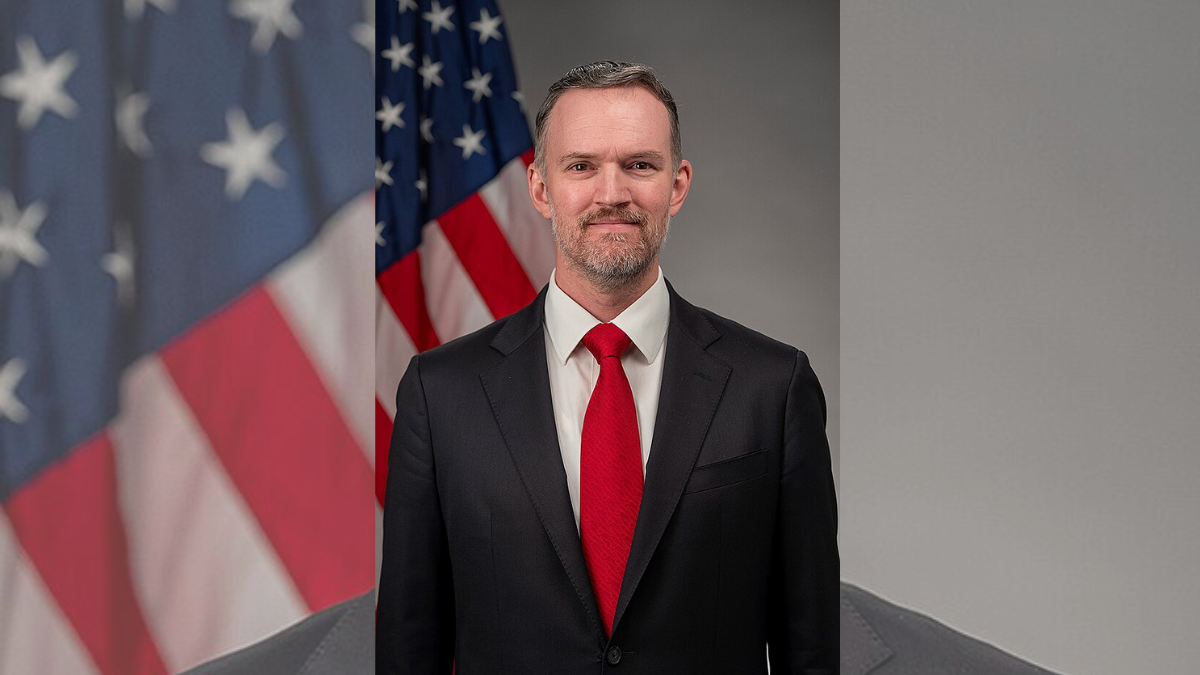
CNS Admiral Dinesh K Tripathi commended the force's achievements in safeguarding India's maritime interests. Image courtesy: RNA

Amid rising global tensions, Chief of Naval Staff Admiral Dinesh K. Tripathi delivered a strong message on evolving maritime threats at the first Navy Commanders’ Conference 2026 on Tuesday (April 14, 2026), highlighting the need for constant vigilance and future readiness.
In his inaugural address, Admiral Tripathi underscored the complex global security environment, stating that the world has shifted “from a competition continuum to a conflict continuum” in just five years, marking a significant transformation in global power dynamics.
How are West Asia tensions impacting India’s maritime security?
Drawing attention to instability in West Asia, the Navy Chief linked ongoing conflicts to disruptions in maritime traffic, particularly in critical regions like the Strait of Hormuz. CNS Admiral Tripathi described the situation as a stark reminder that “security is interconnected, persistent, and unforgiving,” adding that geographical distance from conflict zones does not shield nations from their consequences.
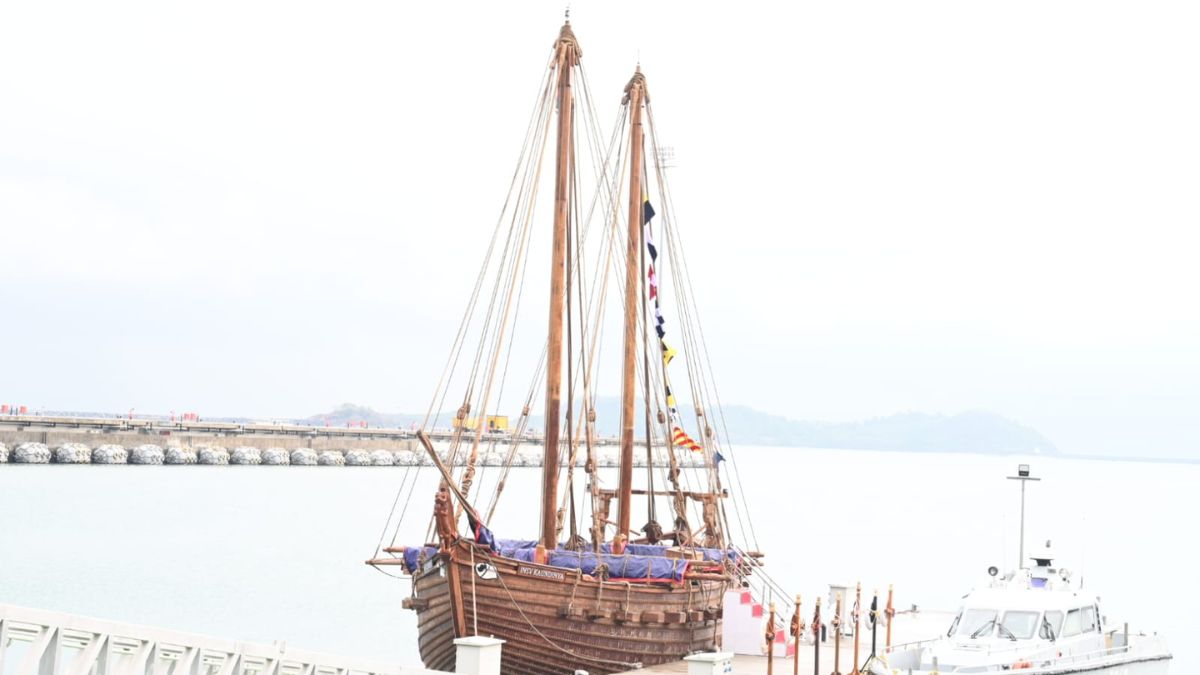
The Indian Navy, he noted, has played a key role in ensuring safe transit of merchant vessels from the Persian Gulf, reinforcing India’s maritime and energy security.
Why is the maritime domain at a critical inflection point?
Admiral Tripathi also underscored that the maritime space is becoming increasingly contested due to simultaneous global conflicts, enhanced adversary capabilities, weakening global institutions, along with access to advanced technologies by non-state actors.
He warned that these factors are creating a highly volatile operational environment, requiring the Navy to stay prepared for multi-dimensional threats.
How is the Indian Navy strengthening combat readiness?
Amid these challenges, the Navy Chief emphasised the force’s steady transformation into a “combat-ready, credible, cohesive, and future-ready force.”
The Navy Chief pointed to a significant rise in operational deployments over the past decade, upgrades in surface, sub-surface, and aerial warfighting capabilities, strengthened infrastructure and maintenance systems, and an increased focus on indigenous technological innovation.

The Navy has also achieved full utilisation of its budget allocation, concluded over 90 capital contracts, and continues to induct indigenously designed platforms, with more than 15 platforms scheduled for delivery this year.
What role does technology and jointness play in future warfare?
Admiral Tripathi stressed the importance of inter-services coordination and adopting emerging technologies to remain ahead in modern warfare. He also highlighted the growing importance of narrative warfare, where shaping perceptions is becoming as critical as battlefield outcomes.
During the conference, commanders deliberated on key areas including jointness and capability enhancement, maintenance and refits, multi-domain operations and safety, training and foreign cooperation, human resources and indigenisation.
What did the CDS say on the future of warfare?
Chief of Defence Staff General Anil Chauhan also addressed the conference, urging naval commanders to prepare for the rapidly evolving character of war, including its economic and technological dimensions. He emphasised the need for forward-looking strategies in response to changing geopolitical realities.
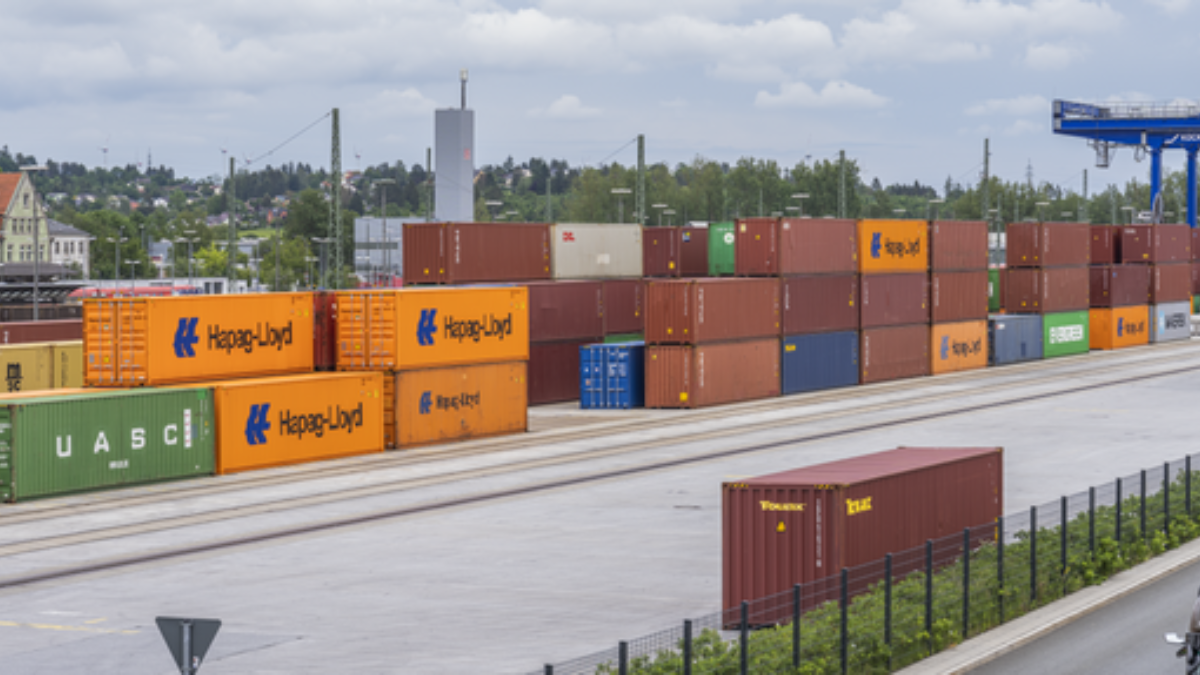
The Navy Commanders’ Conference comes at a time when global maritime routes are under pressure, especially due to tensions in West Asia that directly impact India’s energy lifelines and trade flows.