India, Austria Condemn Pahalgam, Red Fort Attack: PM Modi, Austrian Chancellor Seal 15 Outcomes in Historic Visit
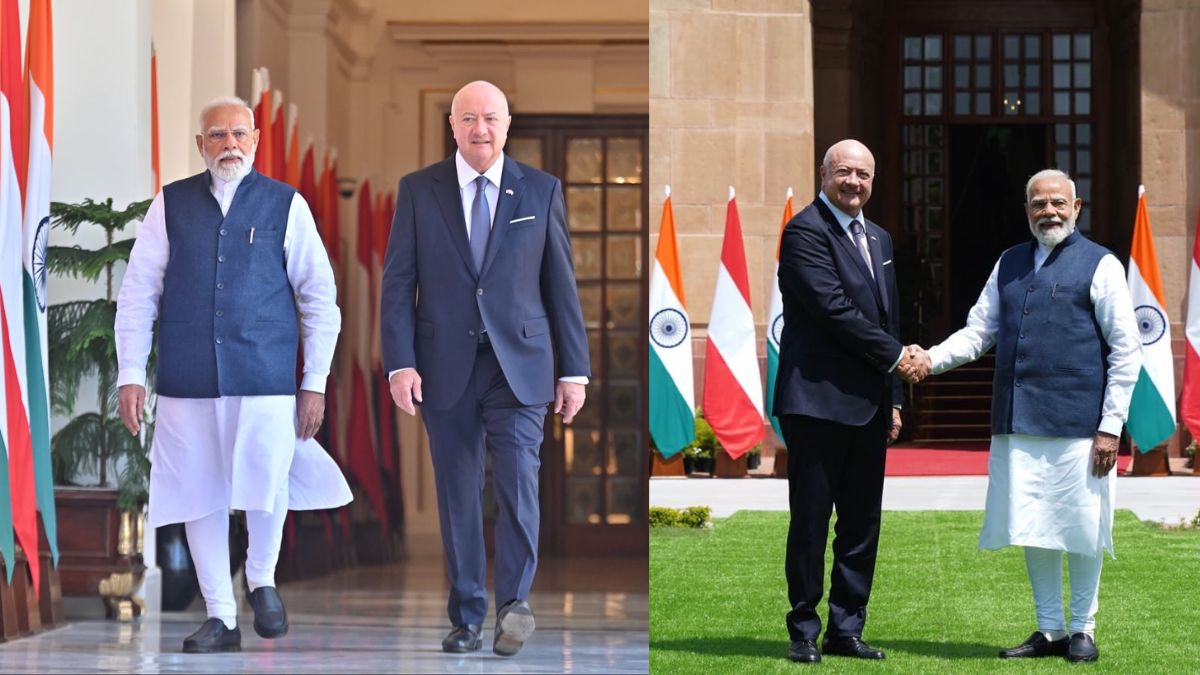
A total of 15 outcomes were also concluded in areas including defence, tech, trade, innovation, skills development, counter-terrorism, among others. Image courtesy: RNA

In a significant boost to India-Europe ties, Austrian Chancellor Christian Stocker’s four-day visit to India, the first by an Austrian leader in over four decades, marked a turning point in bilateral relations, with both countries unveiling 15 key outcomes across defence, technology, trade, and counterterrorism.
Prime Minister Narendra Modi said the visit would bring “new energy to trade and investment”, noting that India-Austria ties are now entering a “new era”, especially in the backdrop of the India-EU Free Trade Agreement (FTA) in 2026, which he described as the beginning of a “new golden chapter”.
PM Modi on global conflicts and rising tensions
Setting the tone for India’s global stance, PM Modi delivered a strong message on ongoing wars, including those in West Asia and Ukraine. “Today, the entire world is passing through a very serious and tense situation,” PM Modi said, adding that the impact is being felt globally.
He emphasised a clear position, “India and Austria are in agreement that military conflict cannot resolve problems. We support stable, sustainable, and lasting peace in Ukraine and West Asia.”
The remarks come amid heightened global instability, including the ongoing West Asia conflict and disruptions in key maritime routes like the Strait of Hormuz.
How did India and Austria strengthen cooperation on counterterrorism?
A major highlight of the visit was the strong and unequivocal stance against terrorism. Both countries condemned terrorism in all its forms, including cross-border terrorism while specifically denouncing the April 2025 Pahalgam terror attack and the Red Fort incident, which happened in November 2025.
With this, India and Austria called for “decisive and concerted international efforts” to combat terrorism. A key outcome was the signing of a Letter of Intent (LoI) to establish a Joint Working Group on Counter Terrorism, aimed at enhancing cooperation on counter-radicalisation, sharing intelligence and best practices, tackling terror financing through global frameworks like the UN and FATF.
The leaders also reaffirmed a strong commitment to continue taking active measures to disrupt the terror financing linkages and channels, including at the United Nations and the Financial Action Task Force.
What agreements and key outcomes were announced?
The visit resulted in a broad set of agreements and announcements aimed at building a future-ready partnership. Some of the key highlights of PM Modi and Austrian Chancellor’s meeting include:
Defence and military cooperation framework through an LoI
Fast Track Mechanism to ease business and investment flows
Audiovisual co-production agreement to boost cultural ties
Collaboration in semiconductors, quantum technology, AI, and biotechnology
Expansion of green hydrogen and renewable energy cooperation
Focus on mobility partnerships, especially in the nursing sector
PM Modi noted, “By combining Austria’s expertise with India’s speed and scale, we aim to build reliable technologies and supply chains for the world.”
How important is the India-EU context in this visit?
The visit gains added significance as it comes soon after the India-EU FTA (2026), which both sides believe will unlock trade and investment growth, manufacturing and job creation, deeper integration into global supply chains. India and Austria positioned themselves as trusted partners in infrastructure, innovation, and sustainability, aligning with Europe’s broader strategic outlook.
Against the backdrop of tensions in West Asia, both sides also stressed the importance of dialogue and diplomacy, along with the need for safe and unimpeded maritime shipping. This assumes importance amid disruptions in global energy flows and shipping routes, particularly through the Strait of Hormuz.
How significant is the visit for India’s global strategy
The visit underscores India’s expanding diplomatic footprint and its role as a balancing power in a turbulent world. With a focus on counterterrorism, emerging technologies, defence partnerships, and supply chain resilience, India is positioning itself as a reliable partner for Europe, while reinforcing its stance on peace, stability, and rules-based global order.
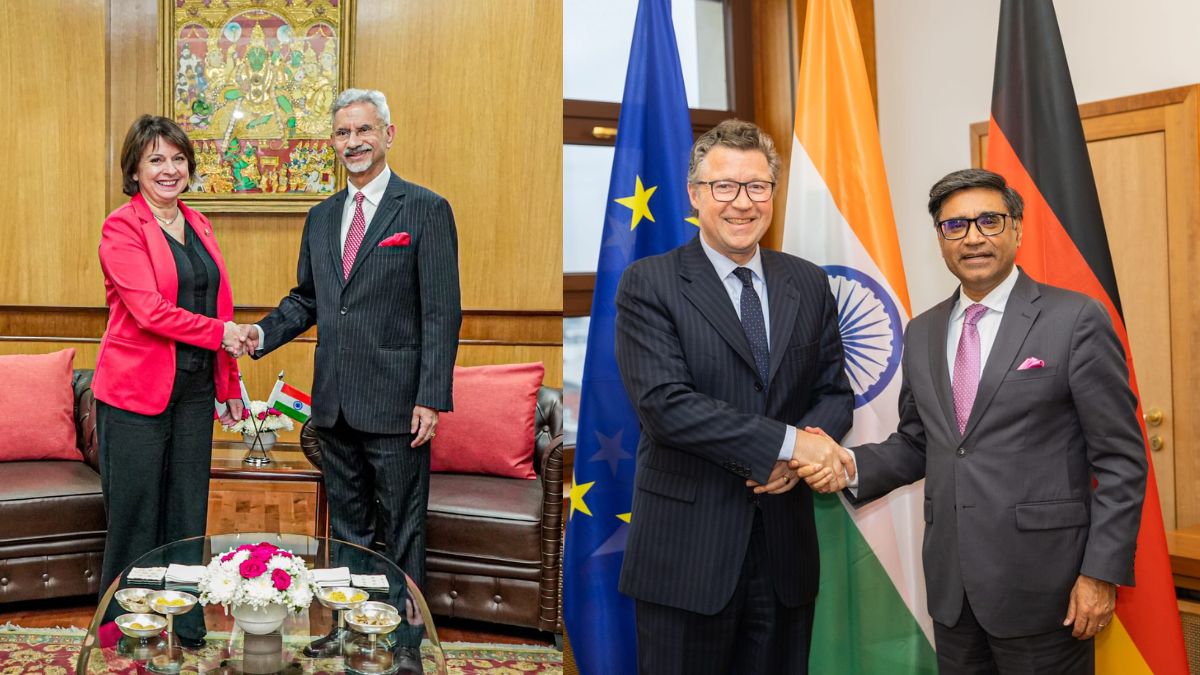
PM Modi and Austrian Chancellor Stocker’s engagements also come just after Foreign Secretary completed his visit to the US, France, and Germany, giving further momentum to India’s relations in Europe along with the United States.