Attacks On Merchant Ships Unacceptable: Jaishankar At AZEC Plus Flags Hormuz Crisis, Pushes Global Energy Resilience
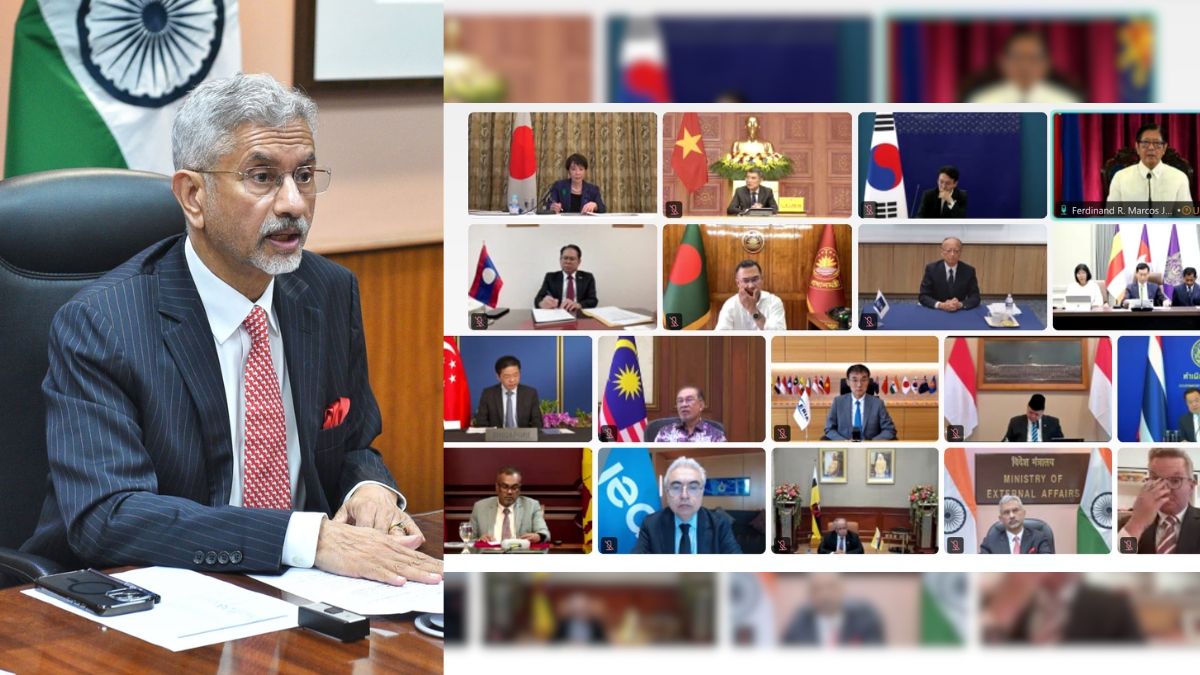
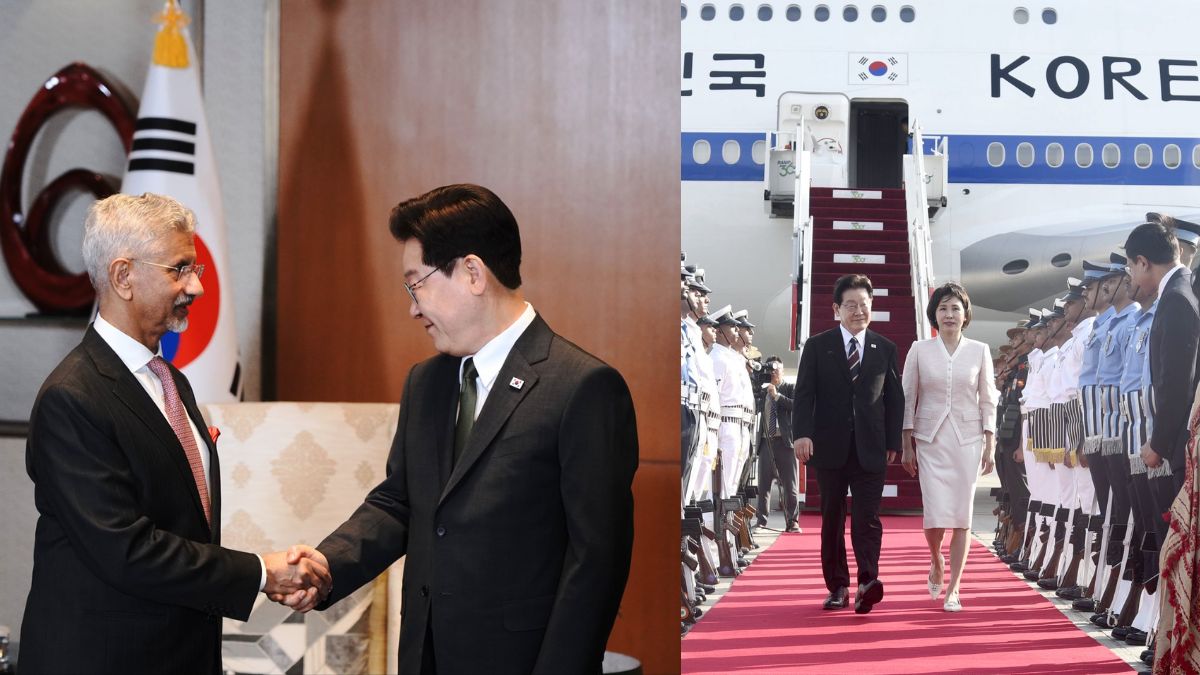
During the meeting, Jaishankar highlighted that free and secure maritime transit is essential for international trade. Image courtesy: RNA

Amid escalating tensions in West Asia and disruptions in global energy markets, External Affairs Minister S Jaishankar delivered a strong message at the ‘AZEC Plus’ meeting, calling for urgent action to secure maritime routes and stabilise energy supply chains. He also underlined that India will work to develop supply chain resilience.
Participating in the Japan-hosted summit, Jaishankar underlined India’s firm stance on maritime security, stating that attacks on merchant vessels are “completely unacceptable.”
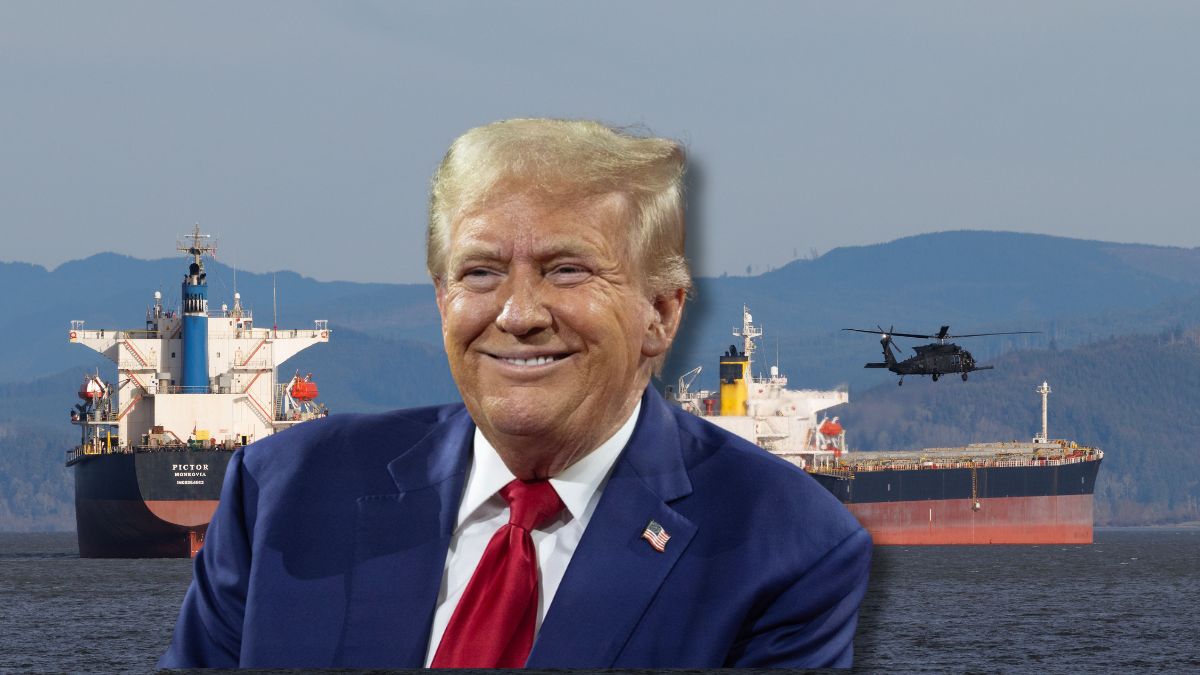
His remarks come at a time when global shipping lanes, particularly the Strait of Hormuz, through which nearly 20% of the world’s oil passes, are under severe strain due to conflict and a US-led blockade of Iranian ports.
What did India say on maritime security and global trade?
Jaishankar emphasised that safe and unimpeded transit of maritime shipping is critical not just for individual nations, but for the global economy. The External Affairs Minister noted that global economic growth depends heavily on uninterrupted energy supplies, which in turn rely on secure sea routes.
Any disruption, he warned, threatens supply chains and economic stability worldwide. Highlighting India’s position, he said the country remains strongly committed to ensuring safe and smooth passage for maritime shipping and will continue working with partners to uphold these principles.
How serious is the threat to shipping in the Strait of Hormuz?
The concerns come against the backdrop of rising attacks on vessels in the region since the West Asia conflict began on February 28. Reports indicate that at least 16 ships have been targeted using projectiles, drones, and explosive boats, underscoring the growing risks in one of the world’s busiest energy corridors.
The situation has been further complicated by the US-led blockade of Iranian ports, announced after failed US-Iran peace talks, restricting maritime access across the Arabian Gulf, Gulf of Oman, and areas east of the Strait of Hormuz.
India’s approach to energy security amid West Asia turmoil
As one of the world’s largest energy consumers, India has a significant stake in ensuring stable energy flows. EAM Jaishankar stressed the importance of building resilient and diversified supply chains, noting that countries must collaborate to prevent bottlenecks and maintain market stability.
He reiterated that India “stands ready to work with like-minded partners to develop supply chain resilience,” particularly at a time when global uncertainties are impacting trade and transport.
What role does AZEC play in addressing the crisis?
The Asia Zero Emission Community (AZEC), launched by Japan in 2022, has emerged as a key platform for addressing energy security and sustainability challenges. At the AZEC Plus meeting, leaders focused on strengthening clean energy cooperation, building resilient supply chains, ensuring stable and sufficient energy supply.
Echoing similar concerns, Malaysian Prime Minister Anwar Ibrahim highlighted that recent developments in West Asia, especially around the Strait of Hormuz, reinforce the need for reliable energy systems.
“Recent developments in West Asia… remind us that stable energy supply is critical to ensure economic resilience and safeguard the wellbeing of our people,” he said, reaffirming Malaysia’s commitment to regional cooperation.
With shipping disruptions, geopolitical tensions, and energy supply risks converging, the stakes for global markets are high. A significant portion of the world’s oil and gas flows through vulnerable maritime routes. Any prolonged disruption can lead to price spikes, supply shortages, and economic uncertainty.