India Fast-Tracks Theatre Commands After Operation Sindoor Success, DMA Pushes Integrated War-Fighting Structure
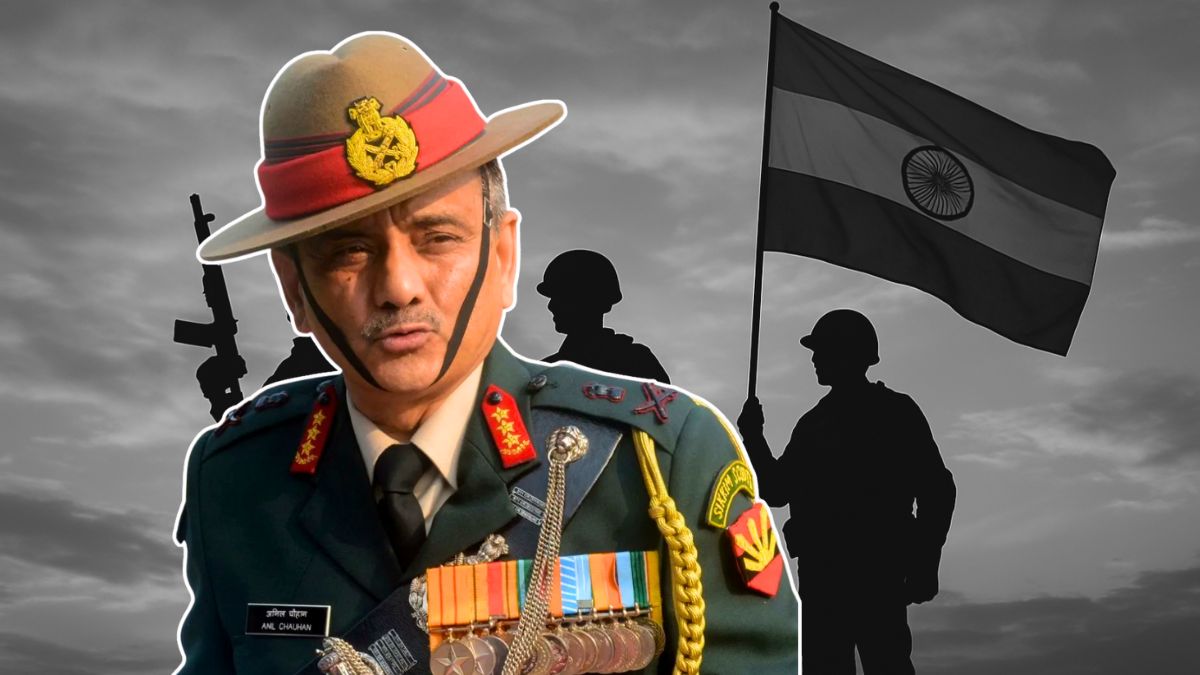
Under CDS General Anil Chauhan, the Department of Military Affairs is finalising the blueprint of new theatre commands for Indian military. Image courtesy: RNA

India is accelerating one of its most significant military reforms in decades, with the Defence Ministry fast-tracking the creation of new theatre commands aimed at ensuring the armed forces can fight future wars in a fully integrated, joint manner.
The Department of Military Affairs (DMA), led by Chief of Defence Staff (CDS) General Anil Chauhan, is now finalising the structural blueprint for these commands, drawing heavily from the operational lessons of Operation Sindoor.
How close is India to creating Theatre Commands?
According to defence sources, the DMA has completed most of the groundwork required to deepen jointness among the Army, Navy, and Air Force.
High-frequency coordination meetings between the services and the DMA have been held in recent months to iron out differences, refine responsibilities, and push the plan closer to Cabinet approval.
What are the views of the Army, Navy and Air Force?
The armed forces have reportedly agreed on three new theatre commands.
The Maritime Theatre Command in Thiruvananthapuram will oversee threats from the Indian Ocean and surrounding waters.
A second command in Jaipur will handle challenges along the western front, while a third in Lucknow will focus on the northern border, particularly the operationally sensitive frontier with China.
What are the plans likely to be finalised?
The services are expected to conclude their internal deliberations soon before presenting the final proposal to Defence Minister Rajnath Singh and National Security Advisor Ajit Doval.
The political leadership has shown strong interest in the project, with Prime Minister Narendra Modi recently discussing theatre commands with senior commanders in Kolkata.
During the review, he praised the armed forces, especially the Indian Air Force, for their decisive role in Operation Sindoor, where coordinated operations destroyed key Pakistan Air Force assets, compelling Islamabad to seek a ceasefire.
What was the consensus clincher?
CDS Gen Anil Chauhan’s leadership during Operation Sindoor is viewed as a turning point, demonstrating the value of joint decision-making.
Building on this, the DMA — headed by the Chief of Defence Staff in his dual role as the Department Secretary — is also working on integrating communications and operational networks across the three services to ensure seamless cooperation in both conflict and peacetime.