
India Calls Out Pakistan’s ‘Clandestine, Illegal’ Nuclear Activities After Trump’s Big Nuke Claim
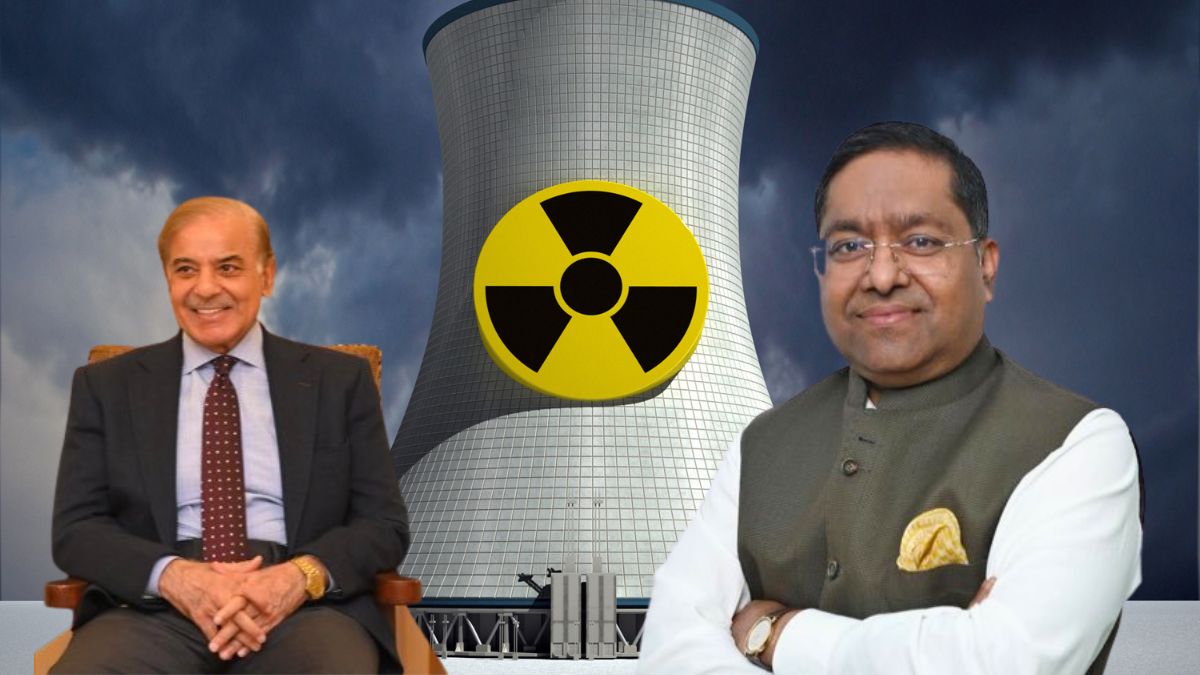
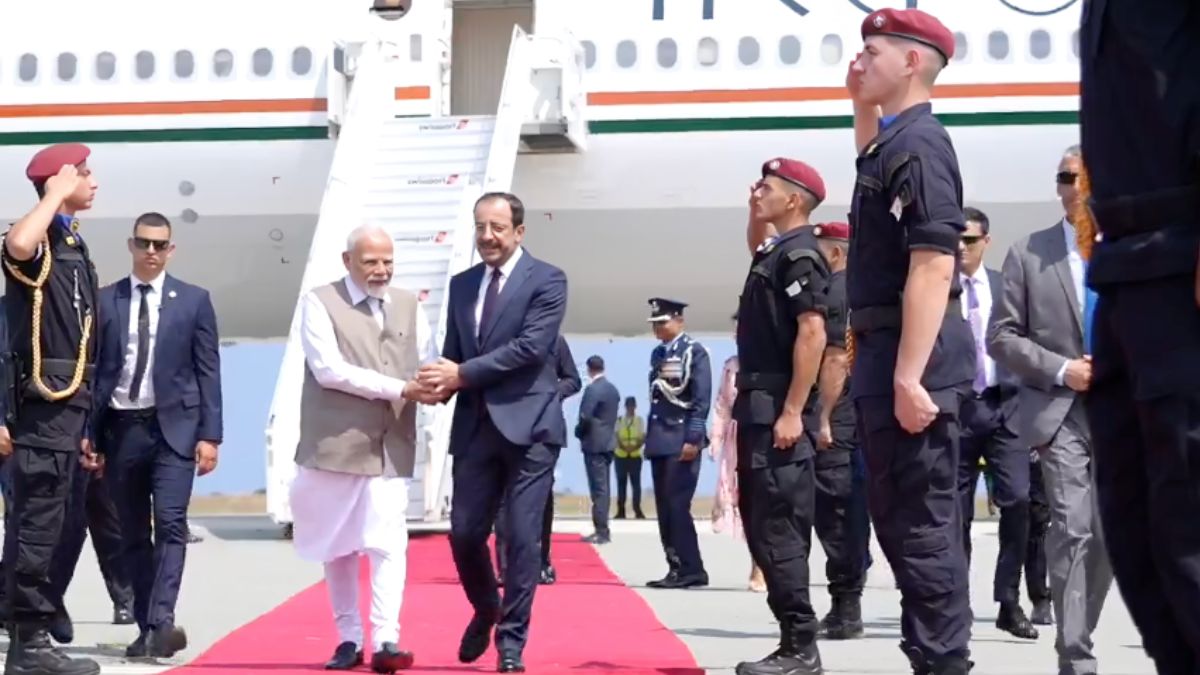
Randhir Jaiswal said Pakistan’s nuclear history has been marred by illicit networks and violations of global norms. Image courtesy: RNA

In a move that has rattled the global non-proliferation order, US President Donald Trump recently announced his administration’s decision to resume nuclear weapons testing after a pause of over three decades. Trump defended the controversial decision by claiming that other countries, including China and Pakistan, continue to test their nuclear arsenals.
The announcement, made earlier this week, has reignited debate over strategic stability, arms control treaties, and the risk of a renewed nuclear arms race. Reacting sharply to Trump’s mention of Pakistan among nations testing nuclear weapons, India has stressed Pakistan’s nuclear programme is rooted in decades of illegal proliferation and covert dealings.
Ministry of External Affairs (MEA) spokesperson Randhir Jaiswal on Friday (November 7, 2025) said the remarks highlight what New Delhi has long maintained, that clandestine and illegal nuclear activities are in keeping with Pakistan’s history, centred around decades of smuggling, export control violations, secret partnerships, the AQ Khan network, and further proliferation.
He reiterated that India has consistently drawn global attention to Pakistan’s proliferation record, warning that its unchecked nuclear activities pose a grave risk to regional and global security. The reference to Pakistan’s “clandestine” programme stems largely from the legacy of Abdul Qadeer (AQ) Khan, the disgraced nuclear scientist often dubbed the “father of Pakistan’s nuclear bomb.”
Khan, who died in 2021, was accused of running an international black market network that supplied nuclear and missile technologies to countries such as North Korea, Iran, and Libya.
Despite Pakistan’s official denials, the AQ Khan network remains one of the most glaring examples of state-linked proliferation in modern history, a point India has repeatedly raised in multilateral forums. Suggesting so, Jaiswal underlined that India has taken note of President Trump’s comment about Pakistan’s nuclear testing.
What did Trump say about Pakistan’s nuclear tests?
After declaring that the United States will recommence testing nuclear weapons, Trump claimed that China, Pakistan, Russia, and many other nations are doing it. Trump’s justification that “others are doing it too” siganlled a shift away from traditional US arms control commitments, potentially undermining decades of non-proliferation efforts.
Islamabad was, however, swift in rejected Trump’s remarks, reaffirming its long-standing position of restraint on nuclear testing. A senior Pakistani official told CBS News that Islamabad remains committed to a policy of “no first testing.” “Pakistan was not the first to carry out nuclear tests and will not be the first to resume nuclear tests,” the official said.
Pakistan conducted its first and only series of nuclear tests in 1998, following India’s Pokhran-II tests. Since then, Pakistan has maintained a self-imposed moratorium on further testing and has regularly expressed support for regional stability and responsible nuclear stewardship.
How does India position itself amid renewed global nuclear rivalries?
While refraining from any escalation in rhetoric, India has used the occasion to underscore its responsible nuclear posture, rooted in no-first-use principles, credible minimum deterrence, and commitment to global disarmament. New Delhi’s response also reflects a broader strategy: to differentiate its transparent and accountable nuclear policy from the opaque and proliferation-linked practices of its western neighbour.
India’s firm stance on Pakistan’s record coupled with its emphasis on strategic restraint and responsible deterrence positions it as a stabilising force amid rising uncertainty in the evolving nuclear order.