




India, Germany Step Up Digital Partnership With Telecom Deal To Drive Innovation In ICTs, Days After Merz Visit
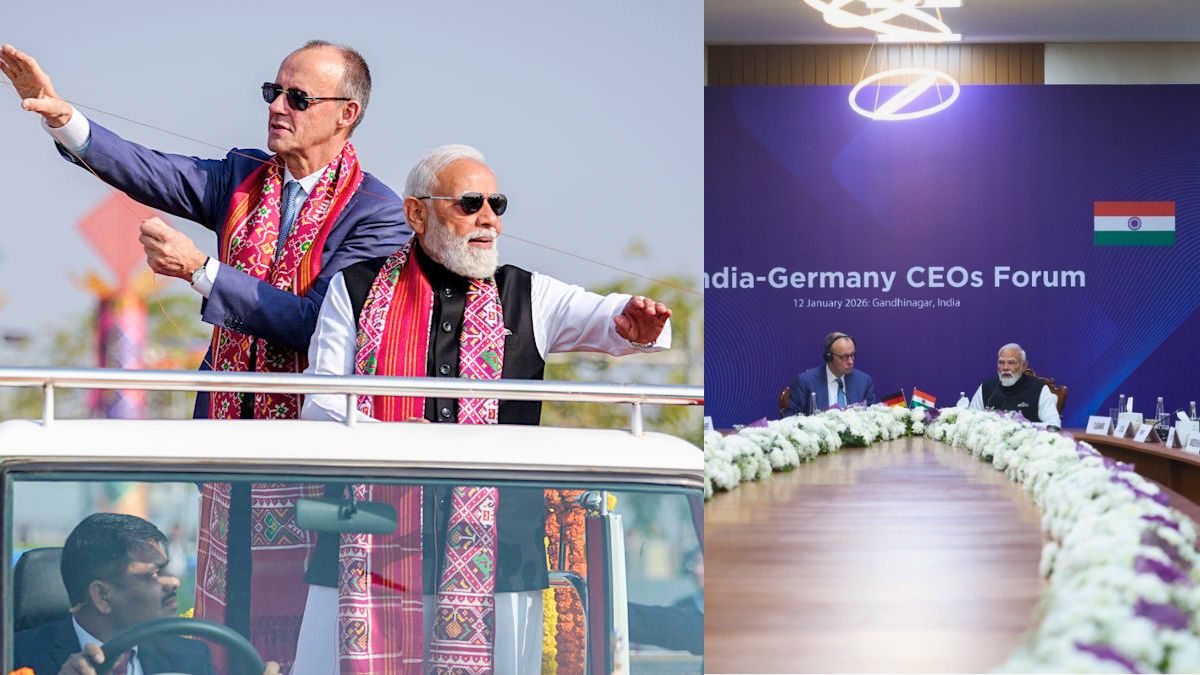
It establishes a framework for regular consultations and high-level annual meetings. Image courtesy: RNA

Just a few days back, German Chancellor on his first State Visit to India described India their “partner of choice” and announced that bilateral trade between India and Germany has crossed the $50 billion mark. Now, both the major economies have taken a significant step towards strengthening their strategic partnership.
India and Germany on Friday (Janaury 16, 2026) signed a Joint Declaration of Intent (JDI) on Telecommunications Cooperation. The agreement underscores a growing convergence between the two countries on digital transformation, advanced technologies and resilient supply chains.
Notably, the JDI was one of the key outcomes of Merz’s two-day India visit from January 12 to 13, during which he held extensive talks with Prime Minister Narendra Modi aimed at deepening cooperation across technology, manufacturing, and global governance.
India-Germany telecom agreement: What does it cover
The declaration was signed by Telecom Secretary Amit Agrawal for India and German Ambassador Philipp Ackermann on behalf of Berlin, concluding negotiations between India’s Department of Telecommunications (DoT) and Germany’s Federal Ministry for Digital Transformation and Government Modernisation.
According to the Indian government, the agreement lays the groundwork for enhanced collaboration in telecommunications and information and communication technologies (ICTs), including emerging and future digital technologies, policy frameworks and manufacturing.
Both sides committed to regular exchange of information and best practices, joint work on policy and regulatory frameworks, cooperation in telecom manufacturing and ease of doing business, collaboration among government, industry, academia and research institutions, along with structured cooperation, annual dialogues.
Moreover, this JDI establishes a framework for regular consultations and high-level annual meetings, supported by working groups and multi-stakeholder platforms. Officials said this structure is designed to ensure “outcome-oriented cooperation” and alignment with national digital priorities.
India and Germany also agreed to jointly develop a detailed work plan, identifying specific areas of mutual interest and measurable goals to drive cooperation forward.
Merz India visit: A signal of strategic partnership intent
Chancellor Merz’s visit was seen in New Delhi as a strong signal of Berlin’s intent to deepen engagement with India at a time of shifting global supply chains and rapid technological change. During talks with PM Modi, the two leaders reviewed the overall trajectory of India–Germany relations and discussed ways to strengthen cooperation.
The visit reinforced what officials described as the “strong momentum” in bilateral ties, built on sustained high-level engagements and expanding economic links.
PM Modi also welcomed Germany’s intent to participate in Naval Exercise MILAN, and 9th Indian Ocean Naval Symposium (IONS) Conclave of Chiefs in February 2026, Air Combat Exercise TARANG SHAKTI in September 2026, as well as Germany’s decision to deploy a Liaison Officer to the Information Fusion Centre–Indian Ocean Region (IFC-IOR).
Joint voice in global digital governance
Beyond bilateral cooperation, both countries agreed to work closely in international fora to promote shared perspectives on telecommunications, digital development and technology governance. The move reflects India and Germany’s shared interest in shaping global norms for a secure, inclusive and sustainable digital future.
The telecom pact comes at a time when India is positioning itself as a global digital and manufacturing hub, while Germany is seeking trusted partners to diversify technology ecosystems and strengthen supply-chain resilience. Together, the two economies aim to build innovation-driven digital systems that are open, secure and future-ready.


