


Advance Truss Bridge: India’s Next-Generation Solution for Rapid Military Mobility
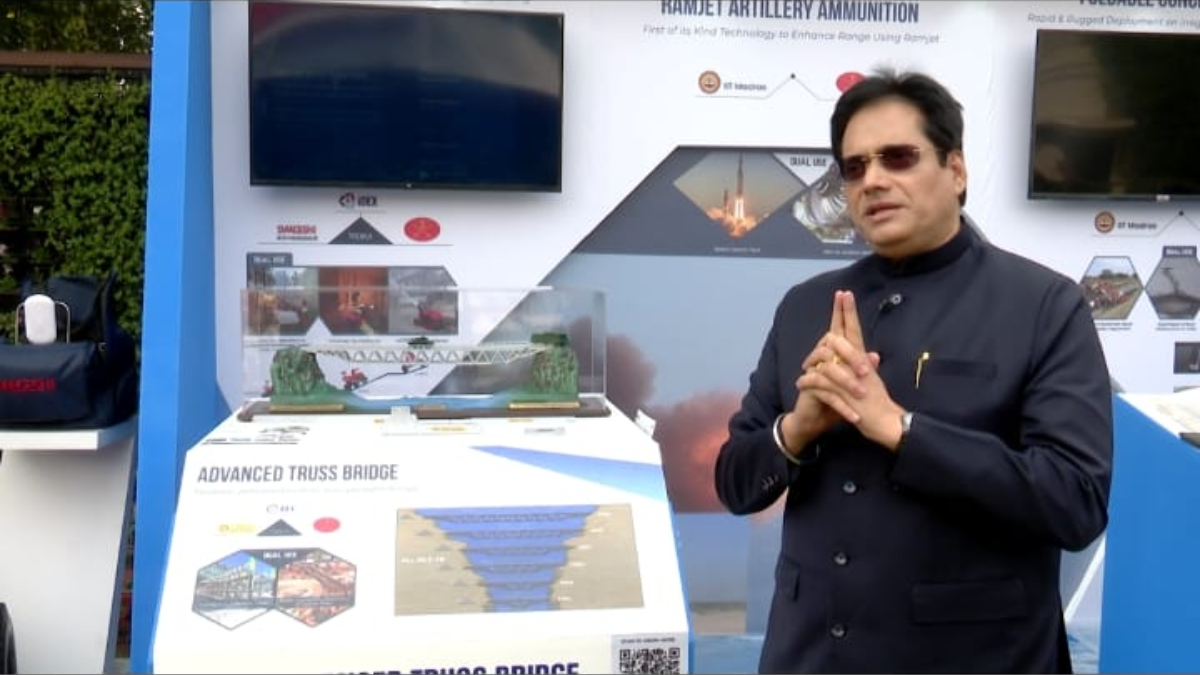

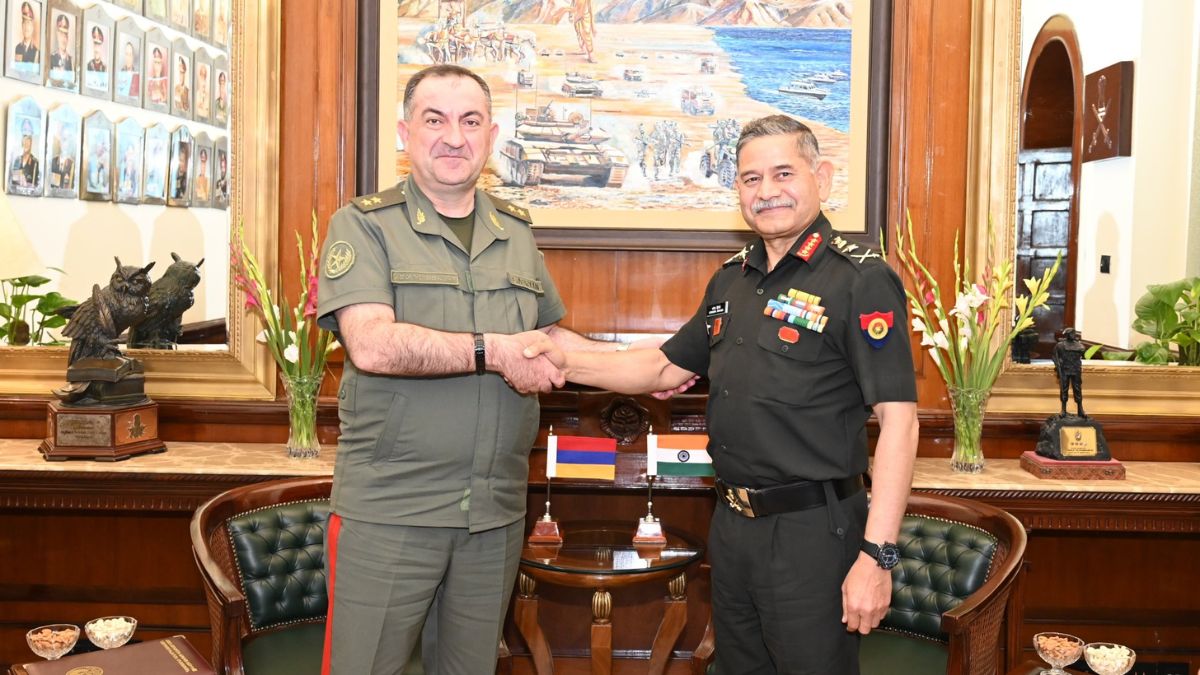
India has taken a significant step towards strengthening battlefield mobility and disaster-response preparedness with the introduction of the Advance Truss Bridge (ATB), an indigenous system developed under the iDEX Prime programme. Displayed at the Army House during the Vijay Diwas celebrations, the ATB signals the Indian Army’s push towards self-reliant, modern engineering solutions that are relevant for transportation even in times of peace.
The ATB has been designed to meet the demanding requirements of modern military operations, where speed, load-bearing capacity and flexibility are critical. Built to support heavy Military Load Class 70, the bridge can safely carry main battle tanks, armoured vehicles and heavy logistics convoys. It can span gaps of up to 60 metres, allowing forces to overcome rivers, nullahs, ravines and destroyed crossings that would otherwise slow or halt operational movement.
One of the ATB’s most notable advantages is the speed with which it can be deployed. The system can be launched within 15 to 18 hours by a compact team of just 30 personnel. This marks a substantial improvement over legacy bridging systems that require larger crews, heavier equipment and longer construction timelines. In high-tempo operations, such time savings can directly influence operational momentum and tactical outcomes.
The bridge features a 4.2-metre-wide roadway, providing adequate clearance for a wide range of military vehicles. Its anti-skid decking enhances safety in wet, muddy or icy conditions, which are common in forward areas and high-altitude regions. Despite being lightweight, the structure is engineered for durability, ensuring reliability under repeated heavy loads and harsh environmental conditions.
The ATB is also intended to gradually replace the traditional Bailey Bridge, which has served the Indian Army for decades across key operational routes. While the Bailey Bridge proved its worth in earlier conflicts and infrastructure projects, the demands of modern mechanised warfare and heavier platforms require a more capable and longer-lasting solution. With a projected service life of around 30 years, the ATB offers both improved performance and better lifecycle efficiency.
Beyond its military role, the ATB has strong dual-use potential. Its rapid deployment capability makes it highly suitable for Humanitarian Assistance and Disaster Relief missions. In the aftermath of floods, earthquakes, landslides or cyclones, road and bridge infrastructure is often among the first casualties, cutting off civilian populations from relief and essential services. The ATB can be quickly installed to restore connectivity, enabling the movement of relief supplies, ambulances and rescue teams.
The decision to showcase the Advance Truss Bridge at the Army House during Vijay Diwas was symbolically significant. Vijay Diwas commemorates India’s victory in the 1971 war, a conflict in which engineering units played a crucial role in ensuring mobility across rivers and difficult terrain. Displaying the ATB during these celebrations linked past experience with present-day innovation, highlighting how lessons from history continue to shape the Indian Army’s modernisation drive.
Developed under the iDEX Prime framework, the ATB also reflects the growing collaboration between the armed forces, Indian industry and the innovation ecosystem. It reinforces the broader goal of ‘Aatmanirbhar Bharat’ in defence, reducing dependence on imported engineering systems while tailoring solutions to India’s unique operational and geographical requirements.
As the Indian Army prepares for future challenges across diverse theatres, systems like the Advance Truss Bridge will be central to ensuring operational agility. The ATB aims to bring a practical, indigenous answer to one of the most enduring challenges in military and civil engineering which is to move people and equipment swiftly, safely and reliably across broken ground.