

Supreme Court Slams Sacked Army Officer For Refusing Gurdwara Entry, Calls Him “Misfit” In Forces
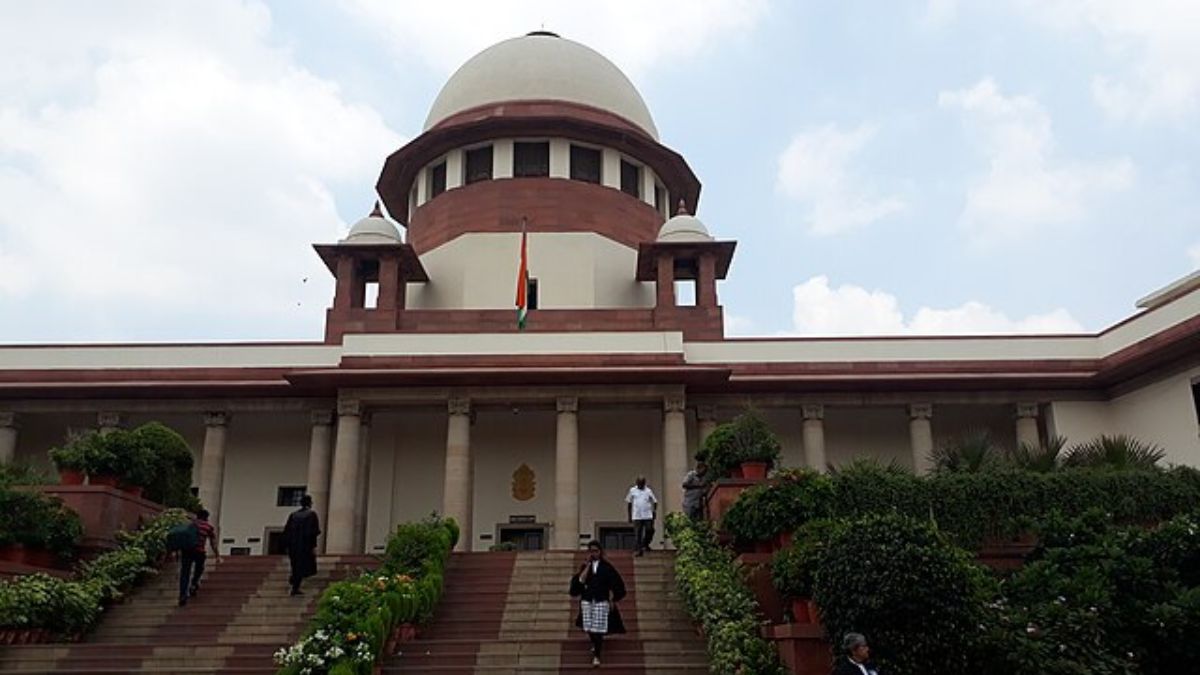
The Supreme Court of India rejected a plea by Christian officer Lieutenant

In a strongly worded judgment, the Supreme Court on Tuesday (November 25, 225) upheld the Indian Army’s decision to dismiss former Lieutenant Samuel Kamalesan, a Christian officer removed from service for refusing to enter a gurdwara to perform a mandated puja.
The top court endorsed the military’s view that the officer’s refusal amounted to “gross indiscipline” and violated the foundational ethos of a secular, cohesive armed force.
What did the apex court say about the army officer?
A bench headed by Chief Justice Surya Kant did not mince words, calling Kamalesan a “cantankerous man” and a “misfit” for military service.
“What kind of message is he sending? Gross indiscipline by an Army officer. He should have been terminated. This kind of cantankerous person deserves to be in the military?” the Chief Justice remarked, stressing that the armed forces require unity, discipline, and mutual respect above all else.
Who is Kamlesan, the sacked military officer?
Former Lieutenant Kamalesan, previously with the 3rd Cavalry Regiment, was dismissed after he refused a superior officer’s command to enter the sanctum sanctorum of a temple-gurdwara complex during a regimental ceremony.
He argued that participating in the puja would violate his monotheistic Christian faith. His stand, however, was judged by the Army and, later in May, by the Delhi High Court as placing personal belief above lawful orders, a move the High Court called a breach of “essential military ethos.”
Did the Supreme Court agree with the High Court’s findings?
The Supreme Court echoed this sentiment, noting that adherence to the chain of command is non-negotiable in the armed forces.
Justice Joymala Bagchi pointed out that Kamalesan had even disregarded advice from his own pastor. “You cannot have your own private interpretation of religion while in uniform,” the judge said, underscoring that military service requires subordination of personal preferences to collective duty.
What did Kamalesan’s advocate argue before the apex court?
Senior advocate Gopal Sankaranarayanan, representing former Lieutenant Kamalesan, argued that the Army dismissed him for a “single infraction” and highlighted that the officer had otherwise participated in multi-faith traditions, including Holi and Diwali.
He emphasised that the location lacked a ‘sarv dharm sthal’, a universal religious space, and that Kamalesan had offered to perform all duties except entering the sanctum.
Sankaranarayanan further invoked constitutional protections of religious freedom, insisting that the right to practise one’s faith includes the right to abstain from other religious rituals.
Did the Supreme Court agree with Kamalesan’s counsel?
But the bench rejected this argument, holding that military discipline supersedes such objections when compliance does not fundamentally alter one’s faith.
With the Supreme Court refusing relief, the Army’s position stands reinforced: discipline and interfaith respect are indispensable pillars of India’s diverse and secular military.