India Eyes Major Air-Power Boost: More S-400 Squadrons, Rs 10,000 Cr Missile Order
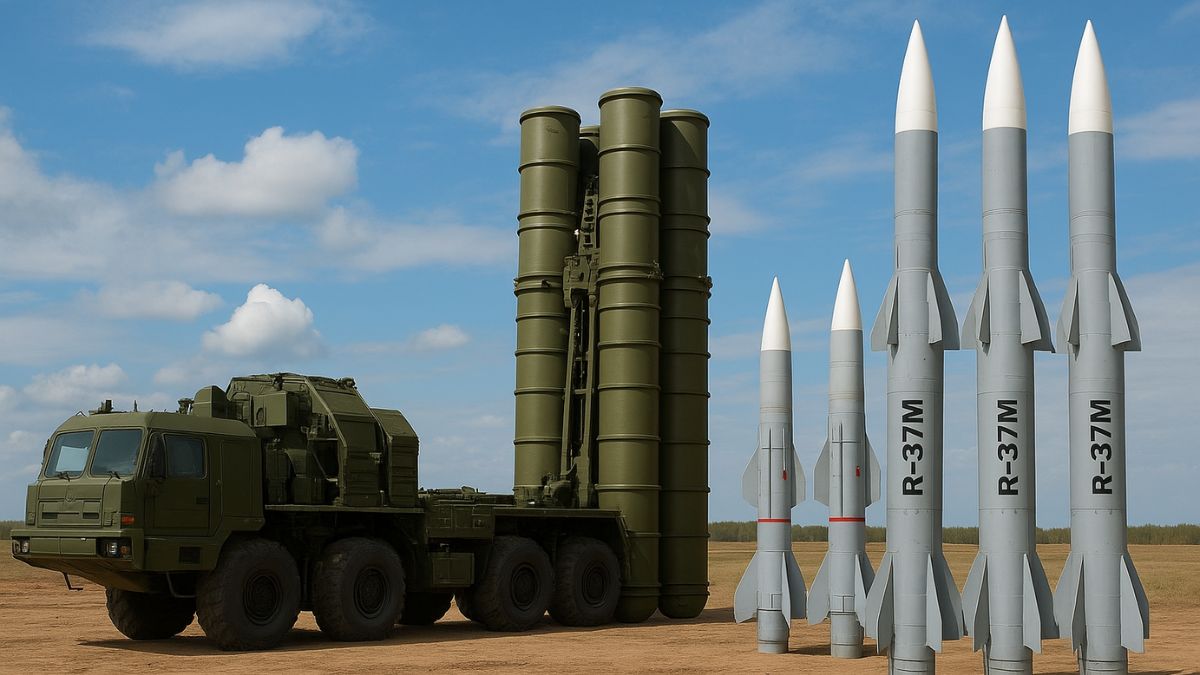
India is pushing for additional S-400 squadrons, missile order worth over Rs 10,000 crore, and a potential purchase of 200–400 Russian R-37M long-range air-to-air missiles. Image courtesy: AI-generated picture via DALL-E

India is preparing a sweeping expansion of its air-defence and air-combat capabilities with a fresh push for additional S-400 squadrons, a large missile replenishment order worth over Rs 10,000 crore, and a potential purchase of 200–400 Russian R-37M long-range air-to-air missiles ahead of President Vladimir Putin’s December visit to New Delhi.
The new plans, coming alongside a Rs 63,000 crore modernisation of the Indian Air Force’s (IAF) Su-30MKI fleet, signal New Delhi’s intent to double down on proven Russian-origin systems even as it balances relations with Washington.
What’s the plan on the S-400 systems?
According to Indian media report, India may ask Moscow for five additional S-400 air-defence squadrons, on top of the original five ordered in 2018.
The IAF is also seeking a large stockpile of fresh surface-to-air missiles with ranges of 120 km, 200 km, 250 km and 380 km after the existing systems were “used operationally and performed exceedingly well” during Operation Sindoor, India’s large-scale military action against Pakistan earlier this year.
Is there going to be replenishments of air defence missiles?
The Defence Ministry has already cleared a Rs 10,000 crore missile procurement, while Russia has promised to deliver the remaining two original S-400 squadrons by November 2026, after delays caused by the Ukraine war.
New Delhi has also signed off on a long-term maintenance contract and plans for a Russian MRO facility in India, signalling a sustained future for the weapon system.
How are the Sukhoi fleet getting an upgrade?
Parallel to the S-400 expansion, the Modi government is preparing to approve a massive Rs 63,000 crore upgrade for the first batch of 84 Su-30MKI fighters.
The modernisation, featuring advanced radars, new avionics, longer-range weapons and sensor fusion, will ensure the aircraft remain combat-ready for decades. While most upgrades will be executed domestically, Russia will play a supporting role.
How will the R-37M deal extend the IAF’s air-to-air reach?
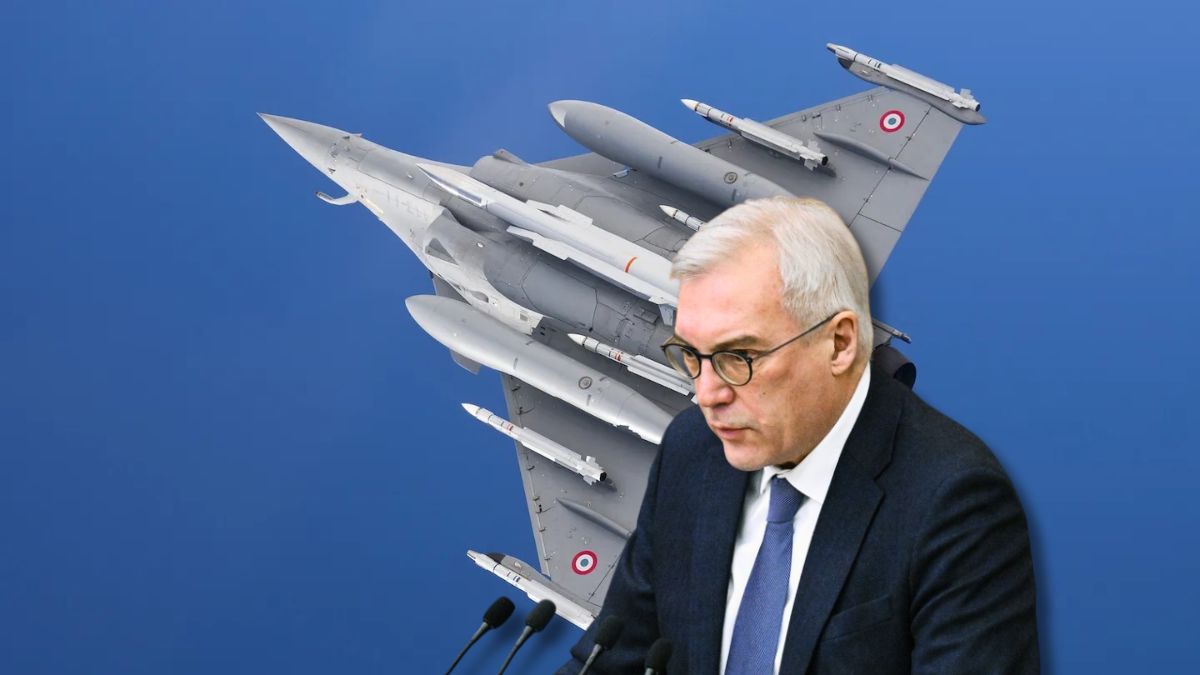
In a significant development, Moscow has also offered India its R-37M long-range air-to-air missile, known in export markets as RVV-BD. New Delhi is reportedly evaluating the purchase of 200–400 missiles, with potential for local production.
The R-37M (AA-13 “Axehead”) is among the longest-range air-to-air missiles in the world:
- Range: 200–398 km
- Speed: ~Mach 5
- Warhead: 60 kg
- Guidance: Inertial navigation + active radar homing
- Targets: AWACS, tankers, high-value aircraft
If integrated with the Su-30MKI, the missile would dramatically expand the IAF’s ability to strike high-value Pakistani or Chinese assets from stand-off distances. Currently, India relies on the R-77 and Astra Mk-1/2 missiles, which offer a far smaller engagement envelope.
What is the big picture on these acquisitions?
While the IAF is pushing aggressively for more S-400s and missile stockpiles, New Delhi remains cautious about acquiring Russia’s Su-57 fifth-generation fighter.
Officials say a decision is pending, with the option also open to Western platforms like the F-35. India appears to be prioritising systems that are combat-proven and already integrated into IAF infrastructure, while keeping the controversial fifth-gen choice open until the indigenous AMCA arrives around 2035.
How is India navigating the US–Russia balance?
The moves come as India works to balance relations between Moscow, its traditional defence supplier, and Washington, which has become increasingly transactional under the Trump administration.
Recent US deals include the Rs 7,000 crore support package for MH-60R helicopters and a Rs 8,900 crore order for GE-F404 engines for the LCA Tejas fleet.
With Putin’s visit days away, India’s latest procurement push underscores a clear strategic message: despite diversification efforts, Russian platforms remain the backbone of India’s air-power edge for the 2020s and beyond.