Moscow Uses Dubai Airshow to Court India With Su-57E and Deep Tech-Transfer Deal
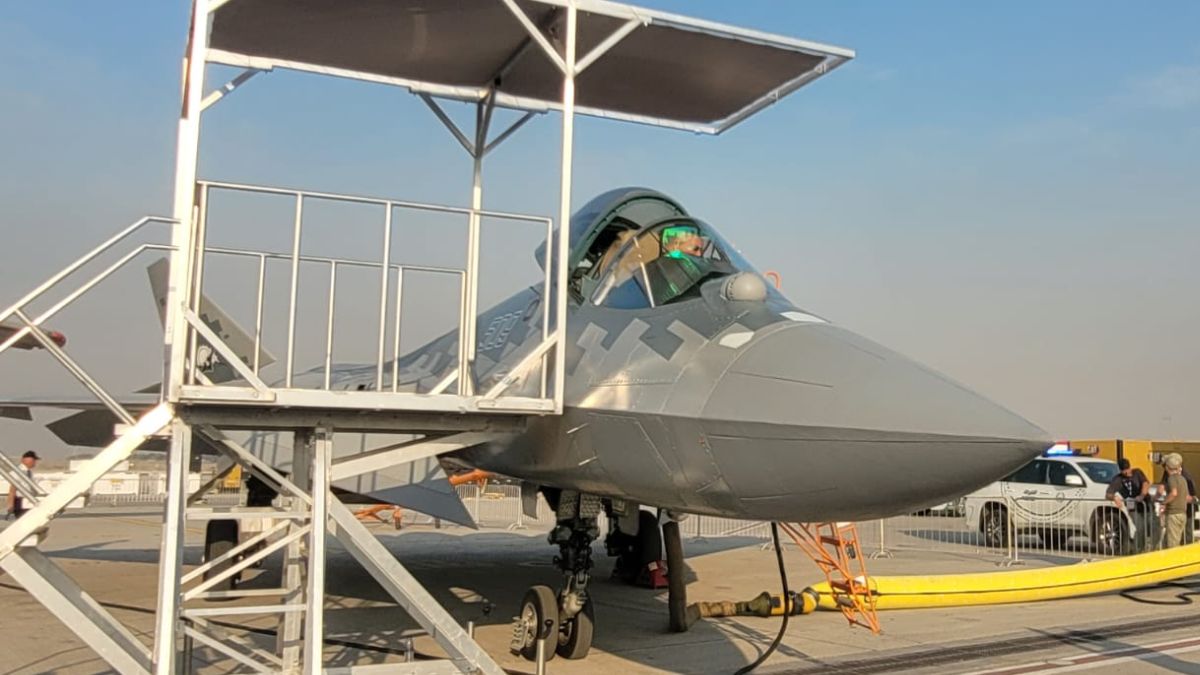
The Russian Su-57E fighter jet family has had extensive combat experience. Image courtesy: RNA

Russia has used the Dubai Airshow to pitch India a sweeping fifth-generation fighter partnership, offering Su-57E aircraft built in Russia, follow-on production and technology transfer in India, joint development of a twin-seat FGFA variant, licensed production and integration of Indian weapons, and know-how that Moscow says can feed directly into New Delhi’s AMCA programme. “Russia offers to India more than a fifth-generation aircraft – it offers technological self-dependence,” a senior Rosoboronexport official said during a presentation at the show.
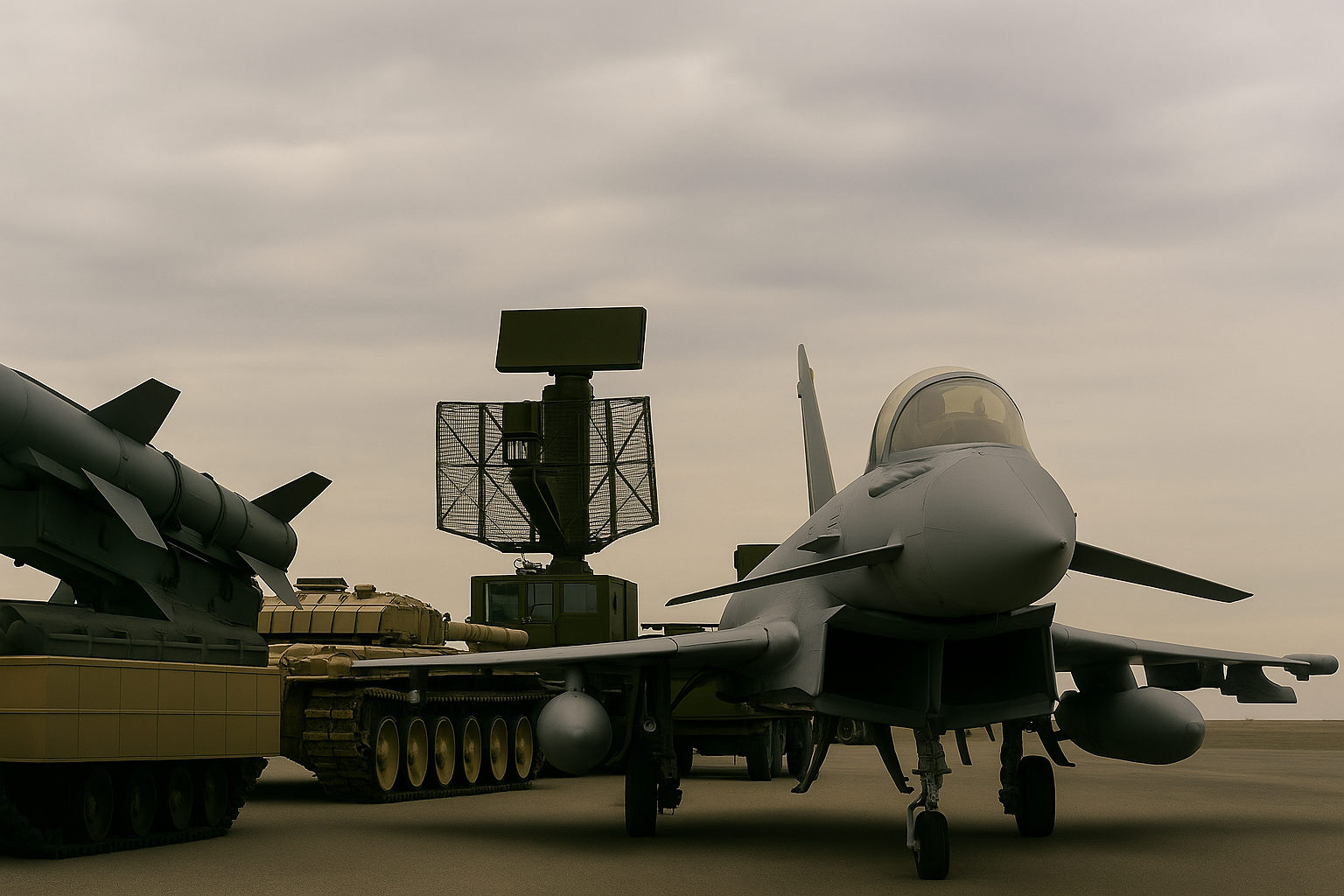
Speaking to the visiting Indian journalists at the Russian section of the static display, the official framed the Su-57E as the centrepiece of the largest air weapons and air-defence showcase Russia has ever brought to Dubai. This year’s stand includes an updated export Su-57E, new turbofan engines with higher thrust and service life, and a full line of precision air weapons, presented as a “comprehensive approach” to supplying advanced combat air power.
He emphasised that the Su-57E is already in serial production and is being delivered to the Russian Aerospace Forces. Designed to counter existing and emerging fourth and fifth-generation fighters, the aircraft, he said, offers ample scope for future modernisation and for adapting foreign equipment and weapons to customer requirements.
Rosoboronexport also stressed that the Su-57 family is the only fifth-generation platform with real combat experience in a dense air-defence environment, in contrast with Western rivals. The export model is claimed to meet all fifth-generation criteria, with a focus on low observability in radar bands even when its own radar is transmitting and missiles are being launched.
According to the briefing, the production aircraft makes extensive use of composite materials and radar-absorbing coatings, while its main air-to-air and strike weapons can be carried in internal bays to preserve stealth. Other headline features include sustained supersonic cruise, an integrated all-aspect self-protection suite, an active electronically scanned array (AESA) radar and the ability to employ multiple weapons channels simultaneously.
The cockpit and mission systems are built around high automation and “intelligent pilot support”, with AI-enabled decision aids and a biotechnical interface intended to ease workload in complex tactical situations. The official said the Su-57E offers one of the longest ranges and endurance figures in its class thanks to a large internal fuel load, with the option of external tanks, additional internal tanks in the bays and air-to-air refuelling if required.
On propulsion, Russia is currently offering the Su-57E with the AL-41F1 engine, which the official said delivers the thrust-to-weight needed for long-duration supersonic flight and fully meets future-generation criteria. Alongside the aircraft, United Engine Corporation is displaying its new 117/117S family, described as a new-generation powerplant with an increased service life of up to 6,000 hours and maximum afterburning thrust of around 16,000 kgf. Crucially, he noted, the 117-series engines share dimensions and weight with legacy AL-31F-class engines, allowing relatively straightforward re-engining of existing platforms.
The Su-57E’s AESA radar is advertised with a detection range of up to 240 km against typical targets, with modes tailored for operations over open terrain and in mountains. For stealthy approaches, the fighter can rely on a long-range infrared search and track (IRST) system to operate in a passive, non-emitting mode.
For the first time outside Russia, visitors were shown the complete defensive aids suite, including an electronic warfare system, missile-approach and optical warning sensors and what the official described as unique laser-based countermeasures housed in distinctive glass “spheres” on the airframe. He said this made the Su-57 the only aircraft of its generation able to laser-blind incoming missiles.
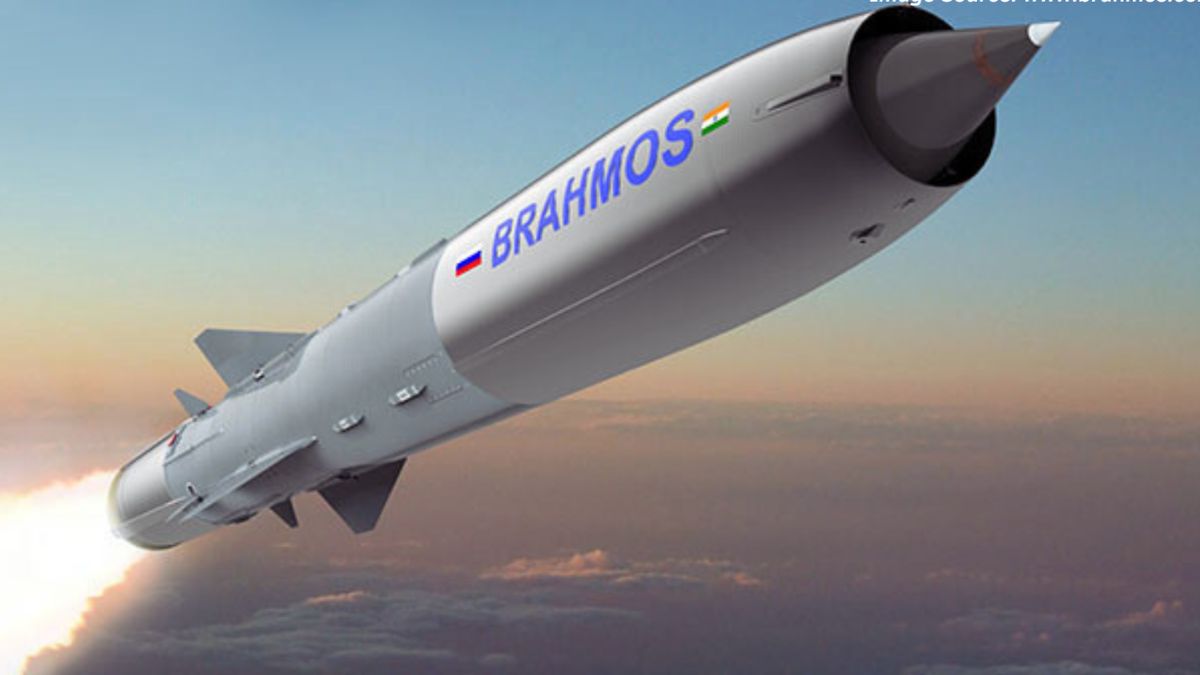
More than ten new types of guided weapons have been developed specifically for the Su-57 family, he added. Among those highlighted were a new short-range air-to-air missile with a quoted range of 50 km, the Kh-58UShK-AE anti-radiation missile with a 245 km reach, and the Kh-69 stealth cruise missile with a maximum range of 290 km. All the missiles displayed alongside the fighter in Dubai, including the Kh-69, are already integrated and have seen combat use with Russian forces, according to the official.
Pressed on comparisons with Western and Chinese designs, he argued that the Su-57 had been conceived from the beginning as a true multirole platform. Unlike the F-35, which he characterised as originally a strike aircraft later improved in the air-to-air role, the Russian fighter was designed from the outset to engage both aerial and ground or surface targets.