Russia Has Been Helping To Modernise Indian Armed Forces: President Putin Unveils Vision 2030 With PM Modi
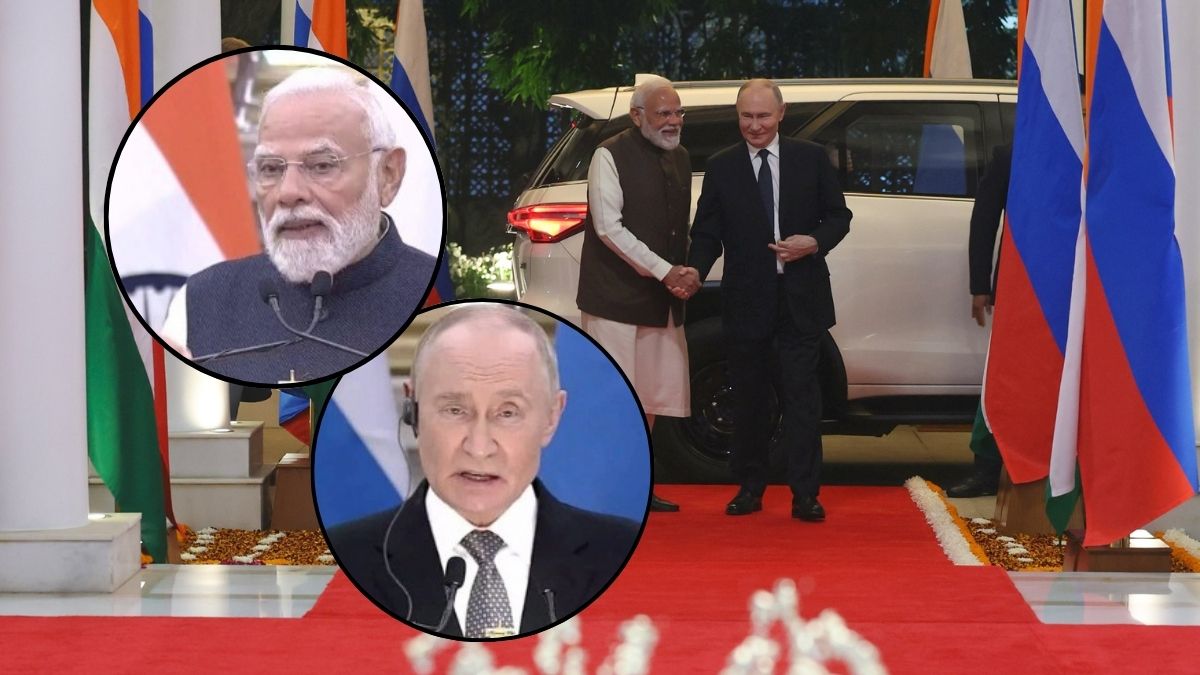
India-Russia Economic Cooperation Programme is designed to diversify, balance, and make trade and investment sustainable. Image courtesy: RNA

In a big reset for India-Russia ties for the next decade, Russian President Vladimir Putin and Prime Minister Narendra Modi on Friday (December 5, 2025) unveiled the ambitious ‘Vision 2030’ document, reaffirming their decades-old strategic partnership, unveiling new initiatives across energy, trade, security.
Russian President Putin’s state visit to New Delhi, his first since 2021, comes at a moment when the global system is undergoing major realignments. From the Ukraine conflict to shifting energy markets and new geopolitical blocs, Moscow and New Delhi find themselves navigating a landscape where dependable partnerships have become critical.
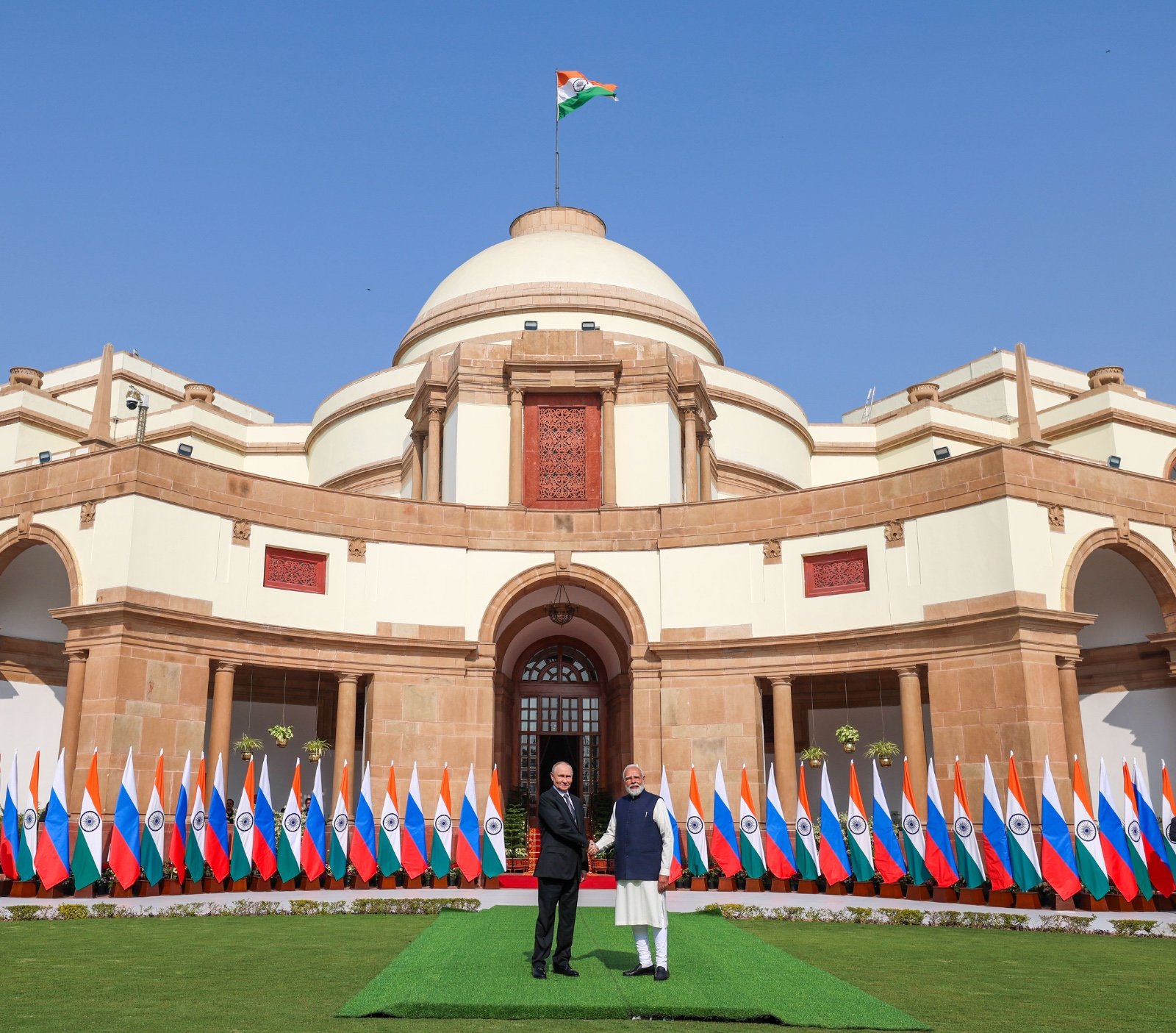
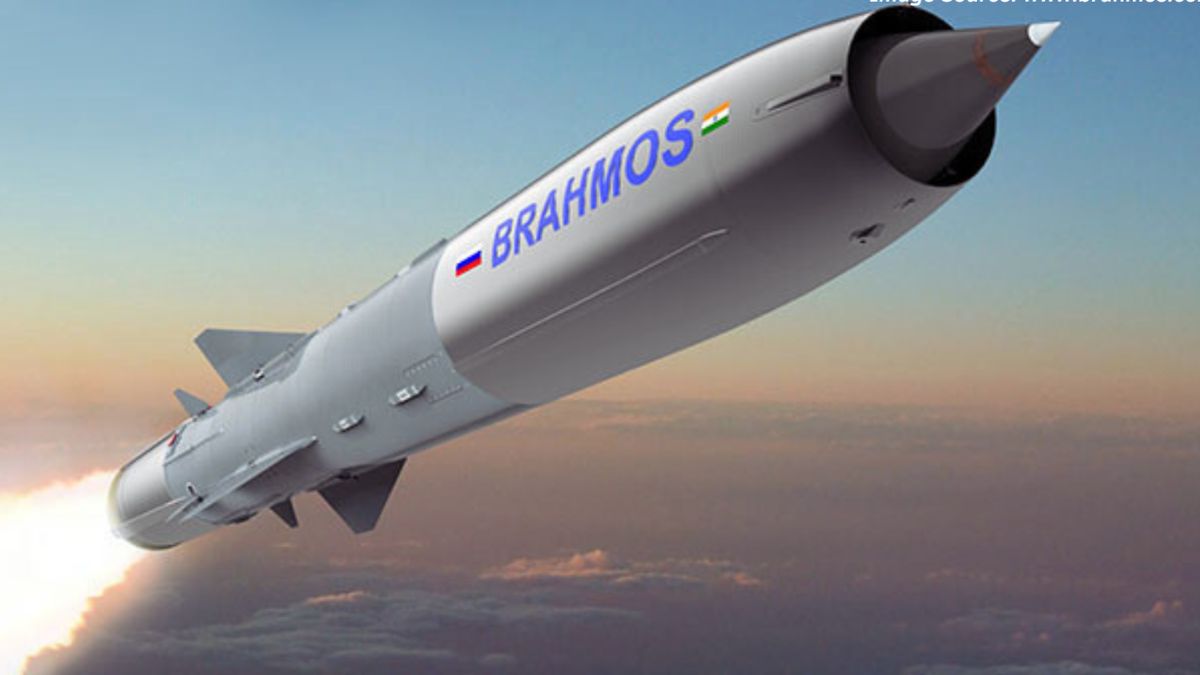
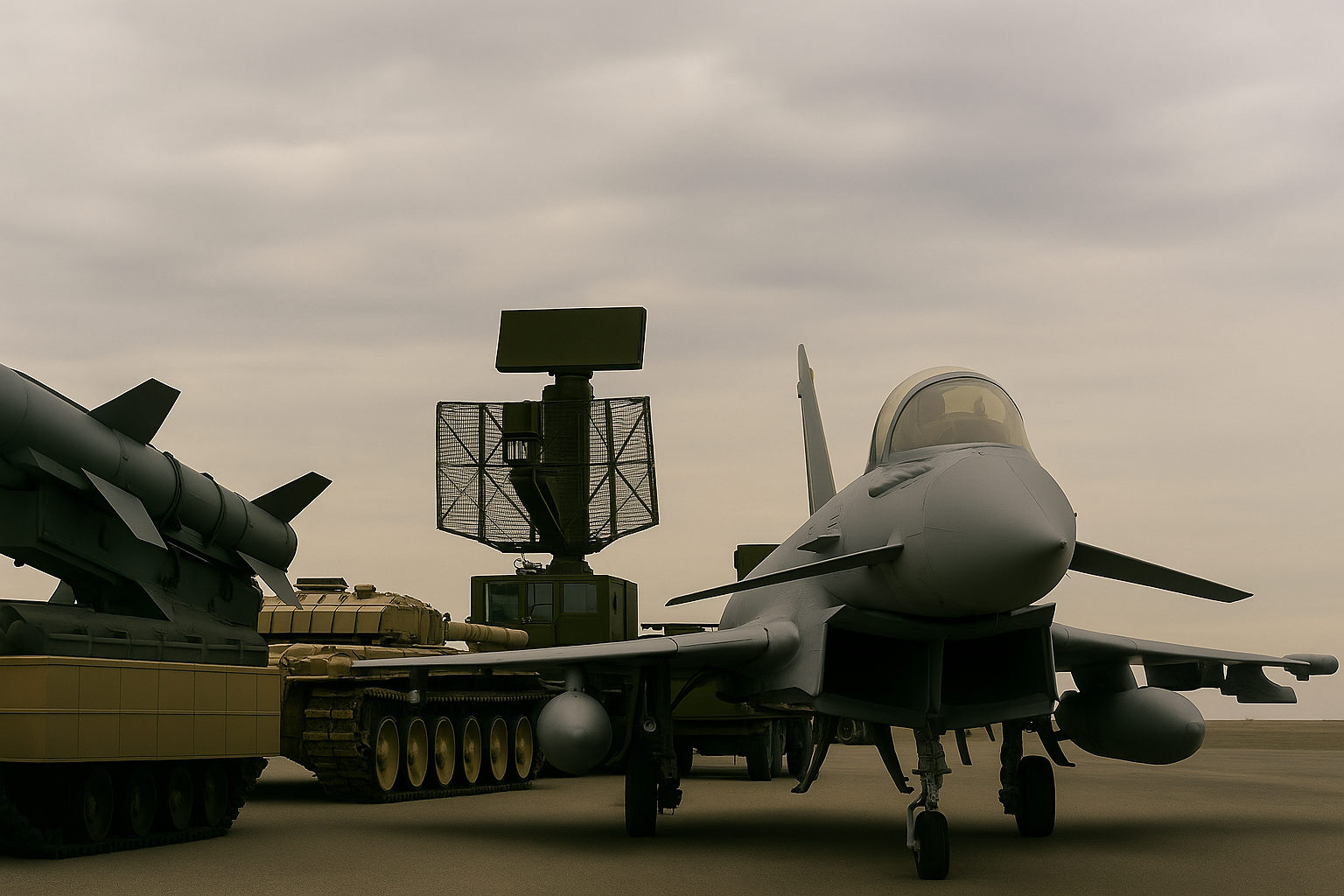
The 23rd India–Russia Annual Summit, held at Hyderabad House, was therefore more than a ceremonial engagement. It saw the Russian leader talking about how they have been aiding the Indian Armed Forces, as he said, “Our country, for the last half a century, has been helping to arm and modernise the Indian Army, including the Air Defence Forces, aviation, and the Navy.”
“In general, we are undoubtedly satisfied with the results of the negotiation we just had…I can express my confidence that the current visit and the agreements reached will help further deepen the Russian-Indian strategic partnership for the benefit of our countries and the people, the peoples of India and Russia,” he added.
India-Russia ties: What’s next as Vision 2030 unveiled?
PM Modi and President Putin held wide-ranging talks on Friday and issued a joint statement that not only reaffirmed the strength of the bilateral relationship but also laid out a transformative framework – Vision 2030.
The centrepiece of the summit was the launch of Vision 2030, a comprehensive blueprint designed to elevate cooperation across several critical sectors. The document outlines coordinated efforts in economic partnership, energy security, defence and high-technology collaboration, nuclear cooperation, connectivity corridors, etc.
PM Modi announced that both countries had agreed on a strategic economic programme that extends until 2030, underscoring, “To increase economic cooperation between India and Russia is our priority.” A central target of the roadmap is to raise bilateral trade to $100 billion by 2030, a significant jump from the current level.
Modi-Putin summit: What economic agreements were announced?
Putin highlighted that last year’s bilateral trade touched nearly $64 billion, calling for greater diversification beyond hydrocarbons. He also pushed for a Free Trade Agreement (FTA) between India and the Eurasian Economic Union (EAEU), stating that such an arrangement would dramatically expand commercial flows.
India confirmed that negotiations for the FTA are moving forward, with both leaders recognising its importance for new supply chains, manufacturing partnerships, and long-term market stability. The roadmap aims to help India expand its exports, especially in pharmaceuticals, agriculture, consumer goods, and industrial machinery.

India -Russia energy and nuclear cooperation
Energy security emerged as a major pillar of the talks. Russia assured uninterrupted fuel supplies, reaffirming its role as a key partner in India’s stable energy strategy. Putin and PM Modi also pushed forward collaboration on civil nuclear power, critical minerals, LNG partnerships, new transport and maritime corridors.
Additionally, the Russian President also highlighted continuing progress on India’s largest nuclear power project. “Three out of six reactors have already been connected to the energy network,” he said, referring to the Kudankulam nuclear plant.
Connectivity was another strategic focus, with Putin confirming work on the International North-South Transport Corridor (INSTC), a Russia–India route via Iran and Central Asia, intended to bypass traditional chokepoints and reduce transit costs.
What does PM Modi and Putin’s summit mean for defence collaboration?
Defence remains the most durable pillar of India–Russia ties, and the summit reaffirmed continuity despite new global realities. The leaders reviewed cooperation in in a number of areas including military modernisation and joint production; advanced aerospace and engine technology; naval shipbuilding and submarine programmes; space technology; artificial intelligence and cyber defence.
Russia reiterated its support for India’s indigenous defence manufacturing push, signalling that joint development will define the next phase of cooperation.
Worth noting here is that this year marks the 25th anniversary of the Declaration on Strategic Partnership between India and Russia, established during the first state visit of President Putin to India in October 2000.