



US Greenlights Missile Sales To India And Taiwan In Back-to-Back Approvals Amid Rising Indo-Pacific Tensions
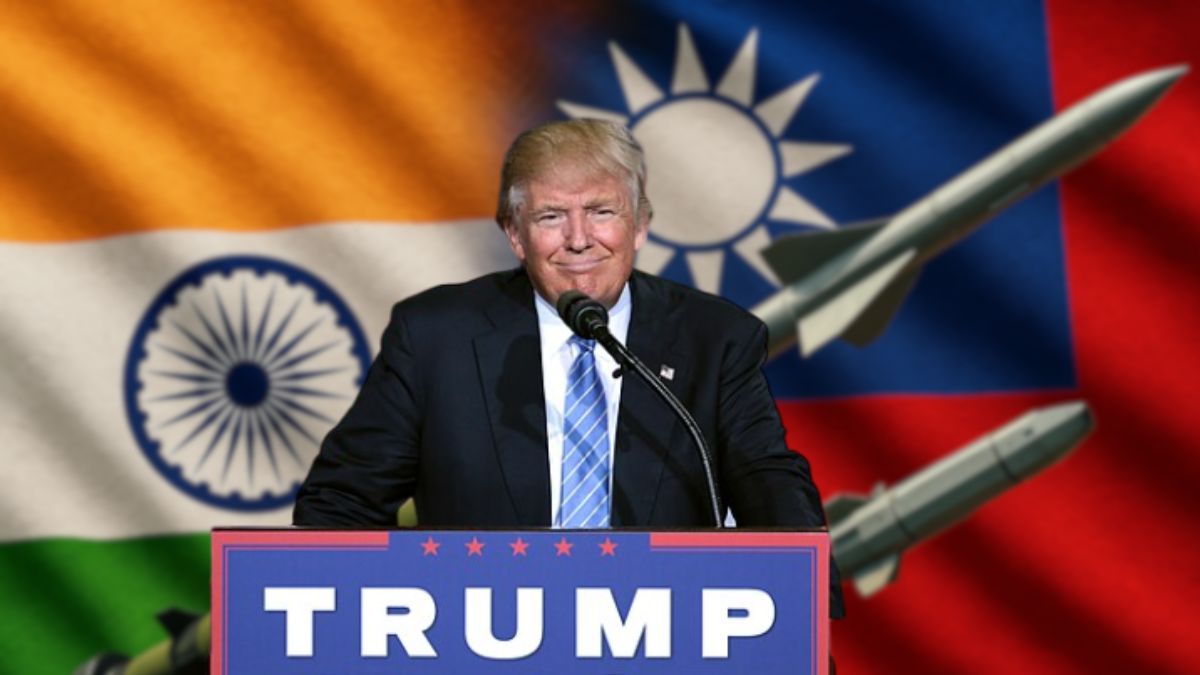
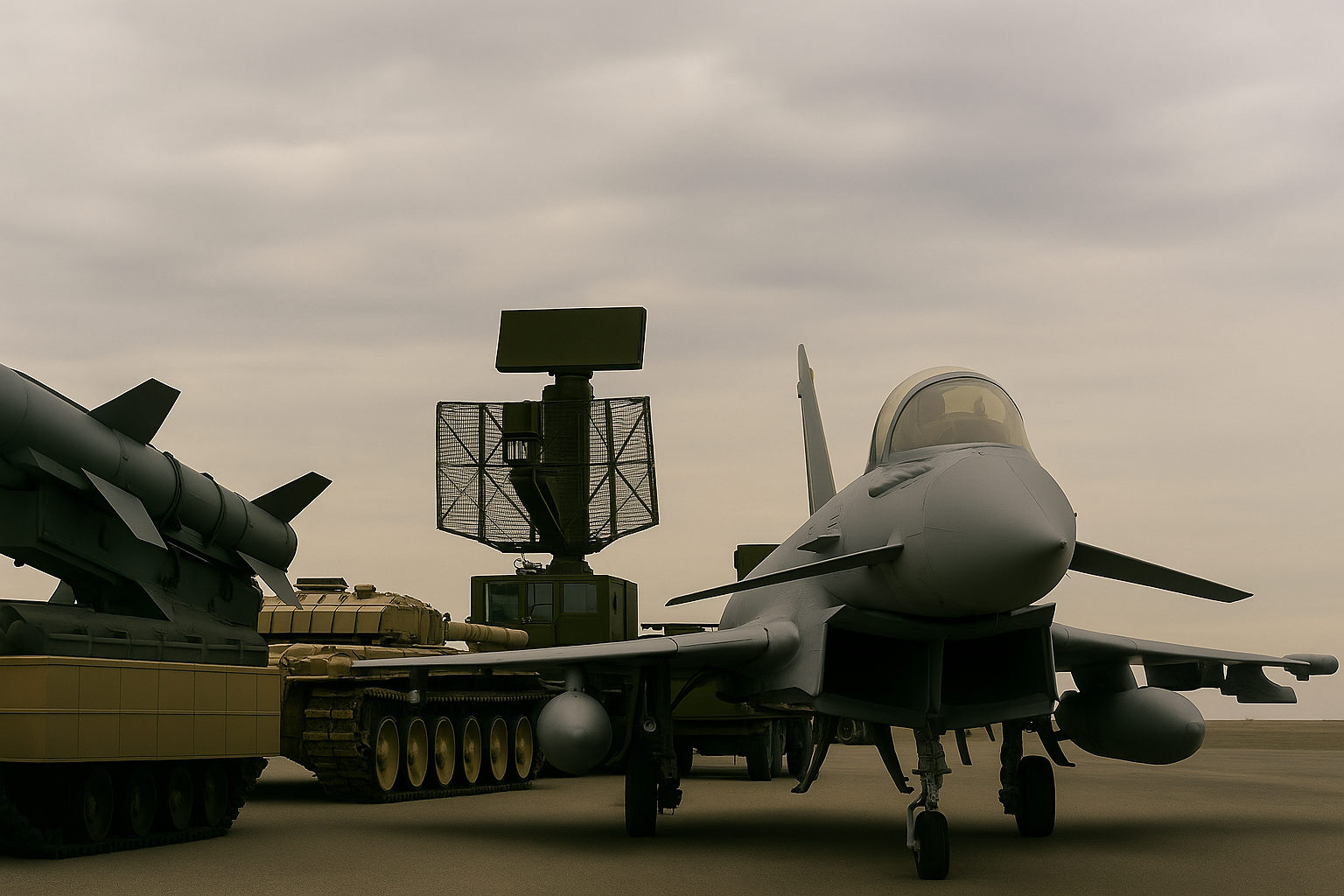
The US has approved missile sales to India and Taiwan in back-to-back decisions. Image courtesy: AI-generated picture via Sora

In a significant move that underscores Washington’s growing security commitments in the Indo-Pacific, the United States has approved major defence sales to both India and Taiwan this week.
The decisions, covering Javelin anti-tank missiles and Excalibur ammunition for India and NASAMS air-defence systems for Taiwan, highlight America’s strategic push to bolster partners amid rising threats from China and intensifying regional volatility.
What were the arms sales to India?
The US Defense Security Cooperation Agency (DSCA) confirmed the approval of a possible $45.7 million sale of the FGM-148 Javelin Missile System to India. Congress was formally notified on Wednesday (November 19, 2025), marking another step in deepening US-India defence ties.
The package includes 100 Javelin missile rounds, one fly-to-buy missile, and 25 Lightweight Command Launch Units (LwCLU) or Block 1 CLUs. It also covers a full suite of support equipment: basic skills trainers, missile simulators, battery coolant units, interactive manuals, spare parts, security inspection support, tool kits, training modules and refurbishment services.
According to the DSCA, the approval would “improve the security of a major defence partner” and enhance India’s ability to counter “current and future threats.” The agency stressed that the sale will not alter the military balance in the region and will not affect US combat readiness.
The Javelin, a combat-proven, fire-and-forget anti-tank missile, has been a cornerstone of US and allied infantry operations since 1996. Its infrared guidance lets operators take cover immediately after launch, unlike older wire-guided systems.
The missile’s top-attack mode—designed to strike the thinner armour atop tanks—has made it particularly effective in modern conflicts, including in Ukraine. It can also switch to a direct-attack mode for engaging bunkers, buildings, and targets under cover.
How does the Excalibur ammunition matter to India?
The American arms company Raytheon-produced Excalibur GPS-guided artillery projectile has already been used by India during Operation Sindoor in May 2025, when terrorist camps inside Pakistan were hit with unprecedented accuracy.
Fired from the M777 Ultra-Light Howitzer, Excalibur rounds can adjust trajectory mid-air to home in on their target, making them ideal for mountainous terrain and cross-border precision strikes.
India purchased 145 M777 howitzers from the US-arm of British defence firm BAE Systems nearly a decade ago, primarily to strengthen capabilities along the China and Pakistan borders.
With their long range, rapid deployment, and the Excalibur’s extremely tight strike radius, this combination has become one of India’s most potent tools for punitive precision operations.
The new deal includes a portable electronic fire control system, technical data, repair support, and logistics assistance, essential for operational readiness in forward areas.
Which air defefnce system would the US sell to Taiwan?
Just as Washington cleared New Delhi’s request, it also approved an almost $700 million sale of NASAMS (National Advanced Surface-to-Air Missile System) to Taiwan, part of two major packages announced this week that collectively bring the total to $1 billion.
A contract has been awarded to RTX (formerly Raytheon Technologies) for NASAMS units, with completion expected by February 2031. NASAMS, a medium-range air defence system used to protect Kyiv from Russian missile barrages, will dramatically improve Taiwan’s ability to counter Chinese air threats.
Only Australia and Indonesia currently operate NASAMS in the Asia-Pacific, making Taiwan the third. The US had earlier announced Taiwan would receive three NASAMS batteries as part of a $2 billion sale last year.
The week also saw Washington approve $330 million worth of aircraft parts and support for Taiwan, its first such approval of this type under the Biden administration, drawing immediate condemnation from Beijing.
How did Taipai react to the development?
US officials in Taipei reiterated that Washington’s commitment to Taiwan remains “rock-solid,” with growing cooperation aimed at ensuring “peace through strength.”
The announcement comes as tensions spike across the region, with Chinese drones flying close to Japanese territory and Beijing increasing its military activity around Taiwan in what Taipei describes as relentless “grey zone” pressure.
Taiwan, meanwhile, is racing to strengthen its defences, developing indigenous submarines, upgrading air-defence networks, and expanding partnerships with the US.
For Washington, these parallel arms packages signal a clear message: the US intends to deepen military cooperation with partners who sit on the front lines of the Indo-Pacific’s shifting security landscape.