Joint Training, Testing To Info Exchange: India, France To Deepen Defence R&D Collab With New Pact
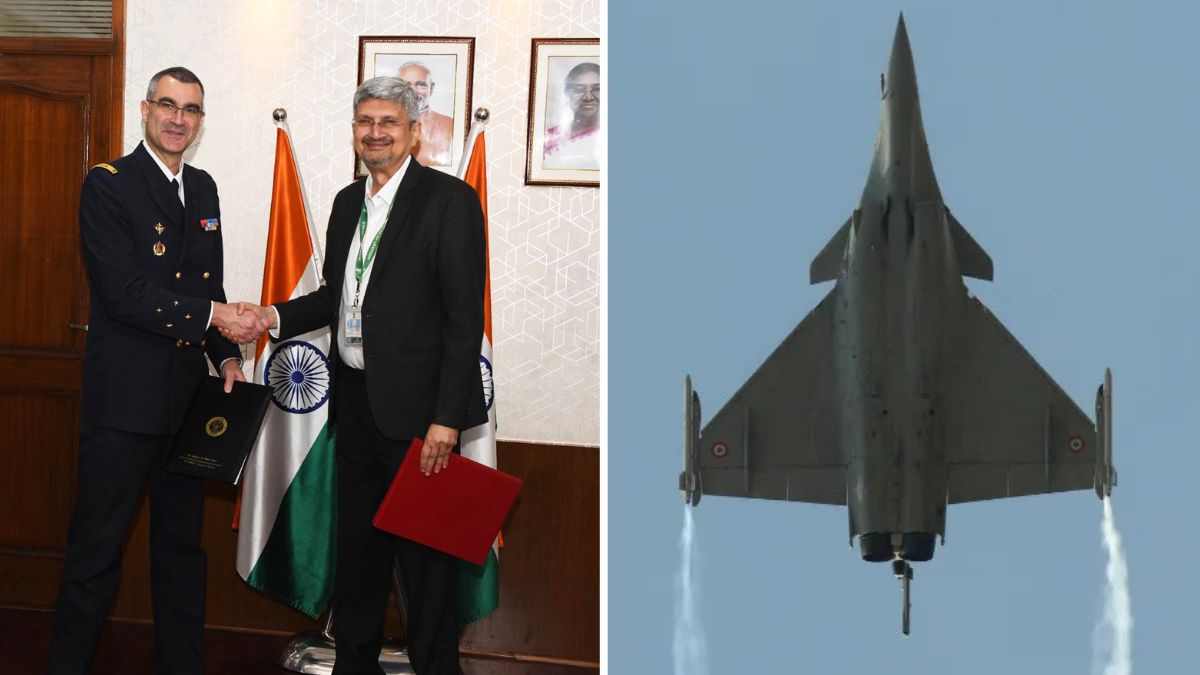
Both sides acknowledged that the agreement is not just about bilateral cooperation but about shaping the next gen of global defence tech. Image courtesy: RNA

The story of India–France relations is, in many ways, a story of trust built in moments when it mattered most. When India conducted its nuclear tests in 1998 and faced global criticism, France chose engagement over isolation. After India declared itself a nuclear-weapon State, France became the first major power to open talks.
Needless to say, that moment became the foundation of India’s first-ever strategic partnership, a friendship that has only grown deeper, broader and more ambitious over the years. From political alignment to technological cooperation, the relationship has evolved into one of India’s most dependable and forward-looking global collaborations.
India-France defence cooperation: Another step in the direction
Today, India–France defence cooperation is no longer confined to transactions; it is a long-term technological partnership. On Thursday (November 20, 2025), the partnership took another significant leap as a technical agreement was signed between India’s Defence Research & Development Organisation (DRDO) and France’s Directorate General of Armaments (DGA).
It marks a shift from hardware acquisition to co-development of advanced defence technologies. The India-France defence R&D framework agreement lays down a formal structure for joint research, training programmes, testing, information exchange, and specialised workshops.
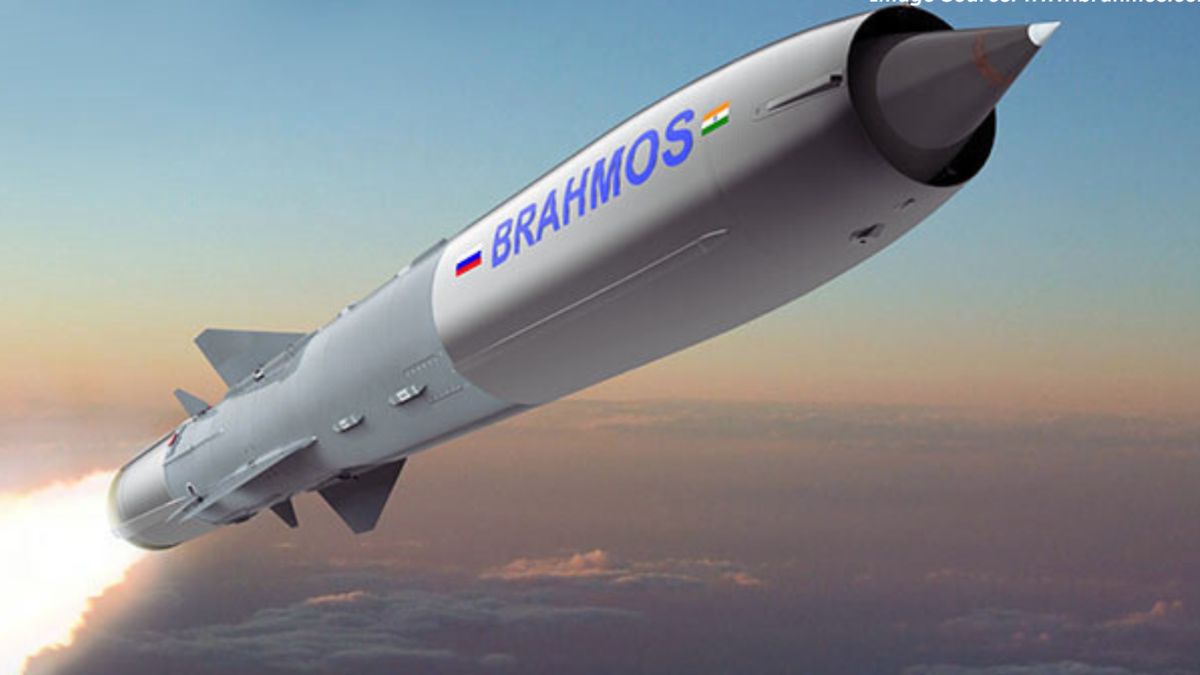
It opens pathways for shared innovation across a wide spectrum: aeronautical platforms, unmanned systems, advanced materials, cyber security, artificial intelligence, quantum technologies, underwater platforms, propulsion systems, navigation, sensors, and space technologies. Notably, it also enables transfer of equipment, know-how and critical technologies
Why India-France’s latest partnership matters on the global stage?
Both sides have acknowledged that the agreement is not just about bilateral cooperation but about shaping the next generation of global defence technologies. As the geopolitical landscape shifts and new security challenges emerge, India and France see themselves as partners in a broader mission, which includes securing the Indo-Pacific, creating advanced defence ecosystems.
Officials from both countries expressed confidence that their combined expertise will not only bolster national security but also influence future military innovation worldwide. Over twenty-five years after the first strategic partnership was inked, India and France are no longer just allies, they are co-creators of the technologies that are set to define tomorrow’s battlefield.
How have defence ties transformed into a long-term strategic arc?
The Indian Air Force’s induction of 36 Rafale fighter jets marked a turning point, bringing cutting-edge capability and reaffirming France’s position as a trusted defence supplier. Meanwhile, the Indian Navy’s completion of six Scorpene submarines under Project-75, built with French design technology, further cemented naval collaboration.
This trajectory is set to rise further as India recently cleared the purchase of 26 Rafale M (Marine) aircraft for deployment on its aircraft carriers.
Meanwhile, the defence cooperation between the two sides is reviewed under Annual Defence Dialogue (Defence Minister level) and High Committee on Defence Cooperation (Secretary level). India France joint defence exercises have grown in scope and complexity over the years.
Currently, the Indian Air Force (IAF) is participating in the 8th edition of the bilateral air exercise ‘Garuda 25’ with the French Air and Space Force (FASF) at Mont-de-Marsan, from November 16 to 27, 2025.