A Gap In The Bridge: Trump Warns Iran To Make A Deal Or Lose Everything After US Strike Destroys Largest Bridge
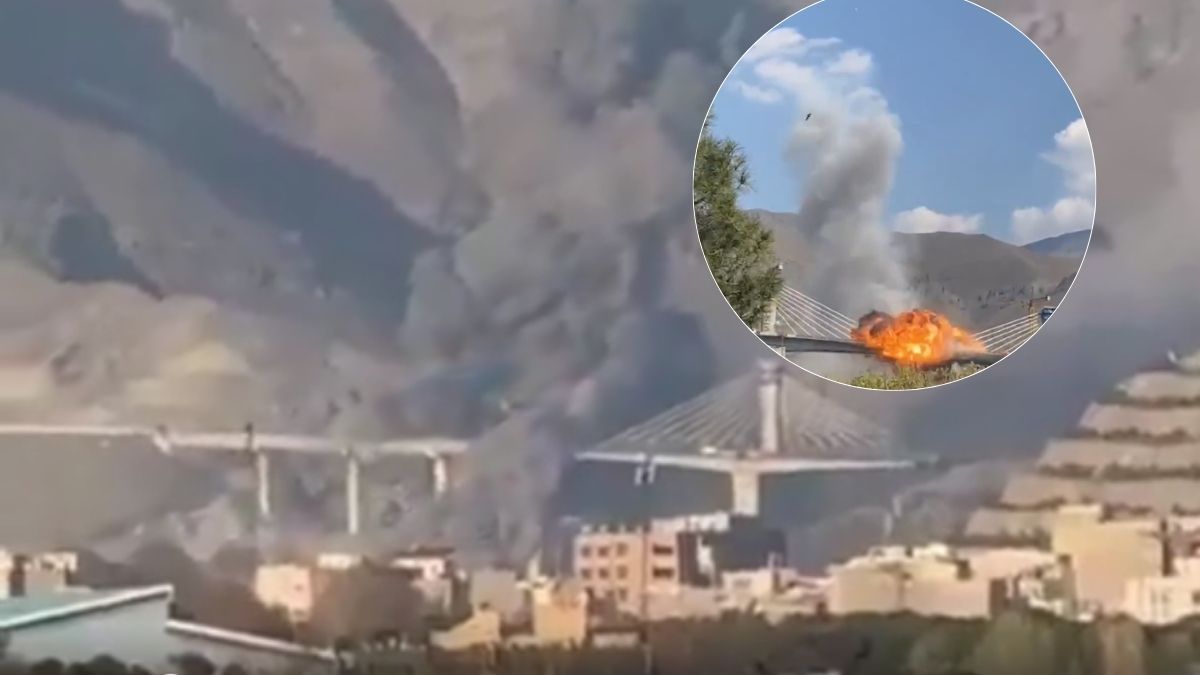
The middle of the bridge was struck twice in which 8 people were killed and 95 wounded. Image courtesy: RNA

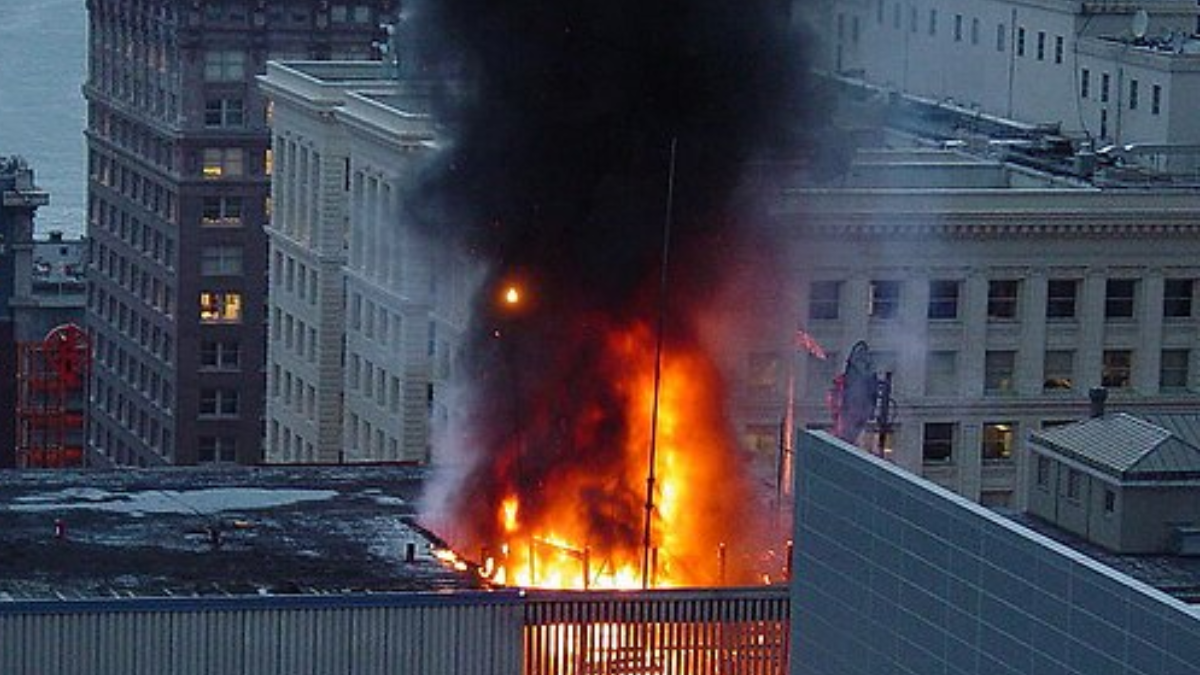
The US-Iran war has entered a dangerous new phase, marked by high-impact infrastructure strikes, expanding targets across the Gulf, and escalating rhetoric from both sides. From the dramatic collapse of a key Iranian bridge to Tehran’s retaliatory strikes on American-linked assets in Bahrain, the conflict is rapidly widening.
In one of the most dramatic escalations yet, US President Donald Trump claimed responsibility for the destruction of Iran’s B1 suspension bridge, a major infrastructure project near Tehran. Sharing footage of the strike, Trump warned that it is time for Iran to make a deal before it is too late.
“The biggest bridge in Iran comes tumbling down, never to be used again – Much more to follow! IT IS TIME FOR IRAN TO MAKE A DEAL BEFORE IT IS TOO LATE, AND THERE IS NOTHING LEFT OF WHAT STILL COULD BECOME A GREAT COUNTRY!”, he posted on Truth Social.
Iranian state media confirmed multiple strikes on the bridge, saying, “A few minutes ago, the American-Zionist enemy once again targeted the B1 bridge in Karaj.” The attack reportedly killed eight people and injured 95, with the bridge, considered one of Iran’s tallest, suffering catastrophic damage.
US strikes Iran’s biggest bridge
The strike appears to signal a shift toward crippling critical infrastructure, beyond purely military targets. In a prior address, US President Trump had warned, “We are going to hit each and every one of their electric generating plants very hard and probably simultaneously.” However, Trump has maintained that the war is “nearing completion”, even as attacks intensify.
The middle of the bridge was struck twice, and later imagery showed a clear gap at the heart of one of Iran’s premier infrastructure projects.
The bridge attack is part of a broader wave of strikes across Iran. Recently, a major missile base in Isfahan was hit, triggering secondary explosions. The Pasteur medical institute in Tehran was also reportedly struck. Moreover, Iran’s steel plants have been targeted, forcing shutdowns. Isfahan is particularly sensitive, as it is believed to house part of Iran’s enriched uranium stockpile. Despite heavy bombardment, over 15,000 raids, Iran has vowed to continue fighting.
Isfahan is particularly sensitive, as it is believed to house part of Iran’s enriched uranium stockpile. Despite heavy bombardment, over 15,000 raids, Iran has vowed to continue fighting.
An Iranian military spokesperson warned, “More crushing, broader and more destructive” attacks are coming until the “permanent regret and surrender” of its enemies.
How did Iran responded
In a significant expansion of the conflict, Iran has claimed responsibility for striking an Amazon AWS facility in Bahrain, marking a shift toward targeting US-linked corporate infrastructure. The Islamic Revolutionary Guard Corps (IRGC) said the strike was part of “the third phase of the 90th wave of Operation True Promise 4.”
The attack follows a direct warning from Iran that it would target 18 major American firms, including Amazon, Microsoft, Apple, Google-linked infrastructure, Boeing and Tesla.
The IRGC also issued a stark warning that “anyone in the buildings of these companies is advised to leave to preserve their lives.”
Is the war expanding into economic and tech warfare?
Iran’s targeting of corporate and tech infrastructure suggests the conflict is no longer confined to traditional military domains. By hitting cloud computing centres and multinational firms, Tehran appears to be disrupting digital and financial networks, raising the cost of war for US allies, and sending a deterrent signal to global corporations operating in the region.
The escalating conflict is already sending shockwaves across the global economy. Oil prices have surged 7% to $108 per barrel, supply chains remain disrupted due to Gulf instability, and investor fears are rising amid uncertainty.
UN Secretary-General António Guterres has warned that the world is “on the edge of a wider war” with potentially catastrophic consequences.
Meanwhile, Trump, in his address to the nation on Wednesday (April 1, 2026) said the war was almost over, even as he threatened to bomb Iran “extremely hard” if it didn’t bow to his demands. “Over the next two to three weeks, we are going to bring them back to the Stone Ages, where they belong,” he stated.