



China Loads Over 100 ICBMs In New Silo Fields, Shuns Arms Control Talks As Nuclear Arsenal Expands: Pentagon

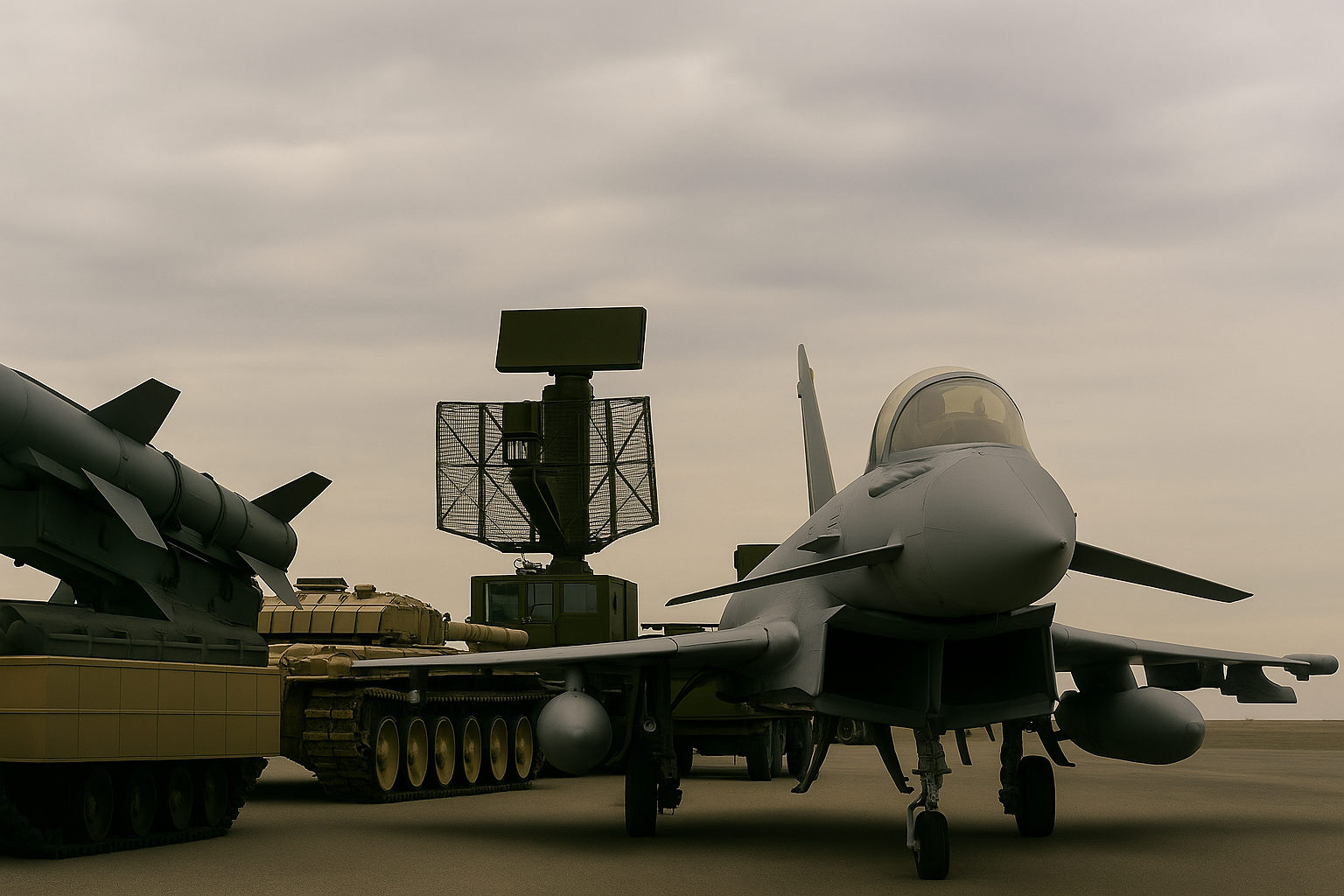
China’s expanding missile infrastructure comes into sharper focus as US defence assessments warn of a rapid buildup reshaping strategic stability and nuclear balances worldwide. Image courtesy: AI generated picture via DALL-E

China has likely loaded more than 100 intercontinental ballistic missiles (ICBMs) into newly built silo fields near its border with Mongolia and shows no interest in arms control negotiations, according to a draft US Pentagon report that underscores Beijing’s rapidly expanding military ambitions and nuclear modernisation drive.
The draft report, reported by Reuters, states that China has probably deployed over 100 solid-fuel DF-31 ICBMs across its latest three silo fields.
What does Pentagon say about China’s ICBMs?
While the Pentagon had earlier confirmed the existence of these silo complexes, this is the first time it has assessed the likely number of missiles loaded within them.
The US Department of Defense declined to comment on the findings, noting that the report could still change before being formally submitted to US lawmakers.
Why is this development a growing concern for the world?
The assessment comes amid growing concern in Washington and among global arms control experts that China is expanding and modernising its nuclear forces faster than any other nuclear-armed state.
The Bulletin of the Atomic Scientists has repeatedly warned that Beijing’s nuclear buildup is accelerating, even as China publicly dismisses such reports as attempts to “smear and defame China and deliberately mislead the international community.”
Why does the report differ with Trump’s denuclearisation plan?
Despite recent comments by US President Donald Trump suggesting he might pursue a denuclearisation plan involving China and Russia, the Pentagon report paints a starkly different picture.
“We continue to see no appetite from Beijing for pursuing such measures or more comprehensive arms control discussions,” the report said, adding that China has shown little willingness to engage in strategic nuclear dialogue.
How is China building towards 1,000 nukes by 2030?
According to the draft assessment, China’s nuclear warhead stockpile stood in the low 600s in 2024, reflecting a slower production rate compared to previous years.
However, the report warns that China remains on track to possess more than 1,000 nuclear warheads by 2030, marking a dramatic shift in the global nuclear balance.
What is China’s position on its nukes?
Beijing maintains that it follows a “nuclear strategy of self-defense,” adheres to a no-first-use policy, and keeps its arsenal at the minimum level required for national security.
China’s embassy in Washington reiterated this position, saying the country has upheld a moratorium on nuclear testing and pursued a defensive nuclear posture.
Nevertheless, the Pentagon report did not specify the intended targets of the newly loaded missiles, a detail US officials said remains unclear.
Why is Taiwan a focus topic in the Pentagon report?
Beyond nuclear forces, the wide-ranging report highlights China’s broader military buildup and its growing focus on Taiwan.
It states that Beijing expects to be capable of fighting and winning a war over Taiwan by the end of 2027.
China considers the democratically governed island part of its territory and has never ruled out the use of force to achieve reunification.
Why does the US report talk of China’s brute force against Taiwan?
The report notes that Beijing is refining options for a potential “brute force” campaign, including long-range strikes up to 1,500–2,000 nautical miles from China, which could significantly challenge US military presence in the Asia-Pacific region.
The timing of the report is especially sensitive, coming less than two months before the expiration of the 2010 New START treaty, the last remaining nuclear arms control agreement between the United States and Russia.
Why does START’s future seem bleak?
The treaty, extended for five years in 2021, caps deployed strategic warheads and delivery systems but cannot be formally extended again. Many experts fear its lapse could trigger a three-way nuclear arms race involving China.
“More nuclear weapons and an absence of diplomacy will not make anyone safer, neither China, Russia, or the United States,” said Daryl Kimball, executive director of the Arms Control Association.
How does the report also talk about China’s military-industrial complex?
The report also examines internal challenges within China’s military-industrial complex. President Xi Jinping’s sweeping anti-corruption campaign has heavily targeted the People’s Liberation Army and state-owned defence firms.
While the purge may affect short-term nuclear readiness, the Pentagon believes it could ultimately lead to long-term improvements in PLA effectiveness.
Over the past 18 months, at least 26 senior and former executives in China’s arms industry have been investigated or removed, with probes expanding across missile, nuclear, and shipbuilding sectors.
Despite decades of rising defence budgets, revenues at major Chinese military firms fell last year as corruption investigations slowed procurement, an indicator of the profound internal shifts underway as China pursues its expanding strategic ambitions.