

Chinese Tanker Challenges Trump’s Blockade in Hormuz, 20 Cargo Ships Cross Waterway
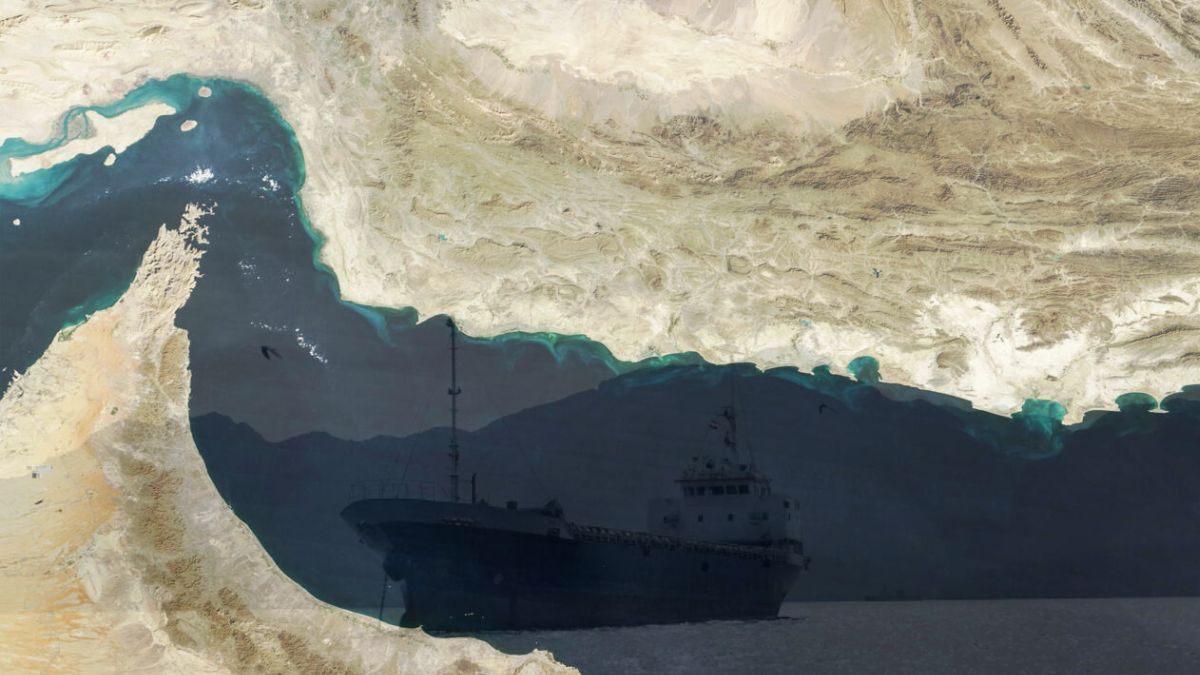
Strait of Hormuz. Image courtesy: RNA

A China-owned tanker that faced an American sanction on Tuesday (April 14, 2026) challenged the US President Donald Trump’s blockade of the Strait of Hormuz for all commercial shipping to and from Iran.
The US had blacklisted Rich Starry, the medium tanker, earlier known as Full Star, in 2023 for helping Tehran evade energy sanctions.
This time around, it is now known that the tanker had visited any Iranian ports before transiting through the Strait of Hormuz, and whether it was carrying any cargo.
The tanker had made its first attempt to cross the Strait of Hormuz on Monday (April 13), and had to retreat due to the US naval blockade of the Gulf region after the talks with Iran, mediated by Pakistan, failed over the weekend.
Within hours of that first attempt, Rich Starry announced that it was a China-owned vessel with Chinese crew members and began its second attempt to cross the Strait of Hormuz on Tuesday (April 14).
This second attempt is likely to test whether the American blockade threat was real and serious, and whether the US Navy would like to take on a rival like China, which has warships present in the region.
Rich Starry is owned by Full Star Shipping, which shares the same contact details as Shanghai Xuanrun Shipping, the maritime database Equasis showed.
Meanwhile, over 20 commercial ships crossed the critical Strait of Hormuz in the past 24 hours despite the US naval blockade. The report of so many cargo vessels crossing the Strait of Hormuz flies against the US Central Command’s claims of the naval blockade and not allowing any vessels to pass through without American scrutiny.
CENTCOM said that the blockade applied only to vessels “entering and exiting Iranian ports” and other vessels remain free to transit the waterway. “US forces are supporting freedom of navigation for vessels transiting the Strait of Hormuz to and from non-Iranian ports,” it added.
Maritime data from Kpler showed at least two ships passed through the narrow waterway within hours of the US blockade coming into force, with a third crossing overnight.