


IEA Flags Fresh Oil Supply Risk For India: Not Hormuz, The Connection Is Linked To Russia-Ukraine War
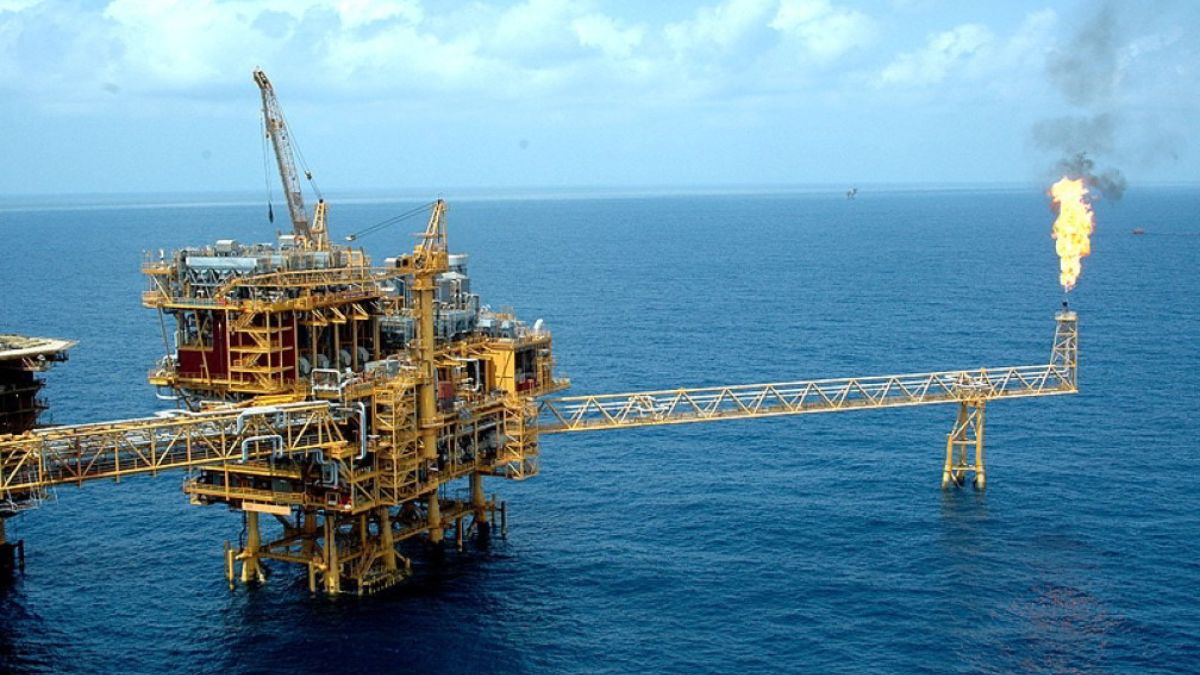
The warning comes at a time when Russian oil has become central to India’s energy strategy. Image courtesy: Canva

While the global energy and oil markets have already been impacted by the West Asia tensions, India could be staring at another added worry, from the Russian front. The International Energy Agency (IEA) has raised concerns over potential disruptions to India’s crude supply chain, warning that Ukraine’s escalating drone attacks on key Russian oil-export hubs could impact refining operations in the near term.
As tensions hit and US granted a 30-day waiver to India to buy cheaper Russian oil, New Delhi had amped up the purchases, so much so that India’s imports of Russian crude averaged 1.98 million barrels per day in March 2026, the highest since June 2023, according to data from Kpler.
In its latest monthly report, the Paris-based agency pointed to a critical vulnerability: a heavy concentration of India-bound Russian crude flows through just three ports – Primorsk, Ust-Luga and Novorossiysk – all of which have come under repeated Ukrainian strikes. “Any prolonged disruption to Russian port availability could significantly affect Indian refining operations in the coming weeks,” the IEA said.
What exactly is happening at these Russian ports?
Ukraine has intensified its attacks on Russia’s energy infrastructure, targeting ports, pipelines and refineries to curb Moscow’s oil revenues. The three affected ports, located in the Baltic and Black Sea regions, handled a major share of Russia’s crude exports. Last year, they accounted for about 80% of Russia’s oil shipments to India.
While operations have partially resumed, volumes from Ust-Luga and Novorossiysk remain constrained, according to IEA and Bloomberg data, signalling continued disruption.
Why is this a major concern for India?
India’s dependence on Russian crude has grown significantly since the Ukraine war, as refiners capitalised on discounted oil following Western sanctions on Moscow. India imported 1.98 million barrels per day of Russian crude last month, and 12 Indian refineries processed Russian oil in March, up from seven in February.
This growing reliance means that any disruption at Russian export points could tighten feedstock availability, disrupt refining operations, and impact fuel prices domestically.
How does the Hormuz blockade make the situation worse?
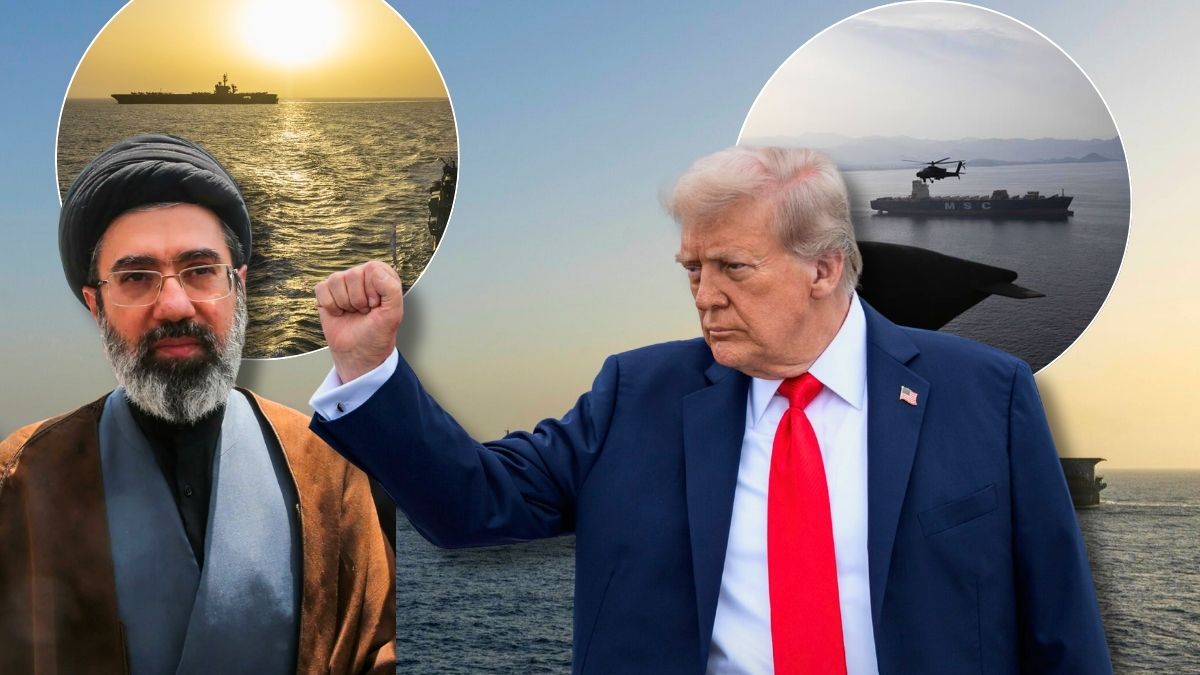
The IEA’s warning comes at a time when global energy markets are already under stress due to the ongoing US blockade of Iranian ports and tensions in the Strait of Hormuz. The Hormuz chokepoint, through which nearly 25% of global oil trade flows, has seen slowed shipping and heightened risks, pushing up prices and limiting alternative sourcing options.
With supplies from West Asia under pressure and Iranian oil flows constrained by geopolitical risks, India’s fallback options are narrowing, making disruptions in Russian supply even more critical.
Geopolitical risks adding to the uncertainty?
The situation is further complicated by the expiry of a 30-day US waiver on April 11, which had allowed continued purchases of Russian oil. India and other Asian buyers are now seeking an extension from Washington, even as geopolitical tensions remain elevated across regions, from Ukraine to West Asia.
The combination of physical disruptions (drone strikes), geopolitical tensions (Ukraine war, West Asia conflict), and policy uncertainty (sanctions and waivers) appears to be creating a perfect storm for global oil markets.