India Closely Monitoring US-Iran Tensions: MEA Says In Constant Touch With Indian Community In Tehran
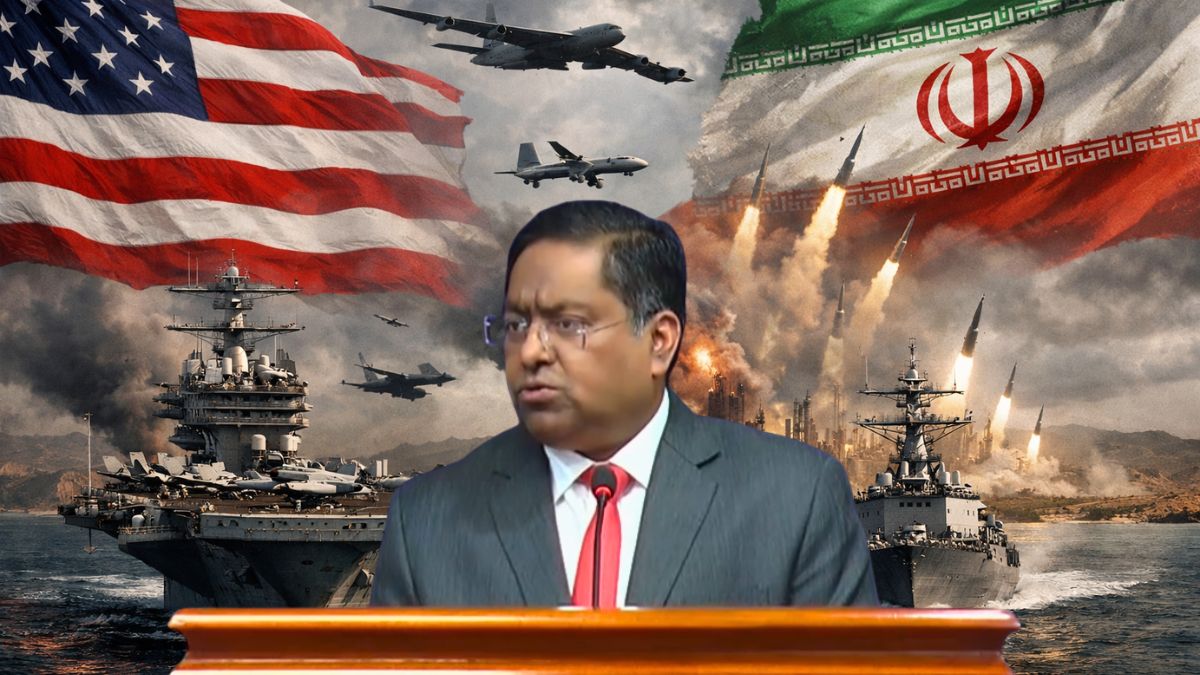
MEA said India is keeping an eye on the situation and staying in constant touch with the community living in Iran. Image courtesy: RNA

As tensions escalate between the United States and Iran amid high-stakes nuclear negotiations and an unprecedented American military buildup near the Gulf, India has said it is closely tracking developments and remains in constant contact with its citizens in the region.
The Ministry of External Affairs (MEA) on Friday (February 20, 2026) underlined that the situation in and around Iran has become increasingly tense, even as Washington deploys two aircraft carrier strike groups and hundreds of combat aircraft to the Middle East. Tt is being called the biggest air power buildup in the middle east since the 2003 Iraq invasion.
What did India say on the rising US-Iran tensions?
MEA spokesperson Randhir Jaiswal said New Delhi is actively monitoring the evolving security environment. “Iran and the region around it has become tense… We are keeping an eye on the situation and staying in constant touch with the Indian community living there,” he told reporters in New Delhi.
He added that Indian authorities have been in touch with the Indian Embassy in Tehran and have previously issued advisories for Indian nationals residing in Iran, signalling a cautious and watchful approach as geopolitical uncertainty deepens in West Asia.
What is happening between the US and Iran?
The tensions come amid a sharp escalation in US military deployments across the Middle East. The United States has moved two aircraft carrier strike groups into the region, accompanied by roughly a dozen warships and hundreds of combat aircraft operating in and around the Arabian Sea and eastern Mediterranean.
The USS Gerald R. Ford, the world’s largest aircraft carrier, is also en route and expected to bolster the American presence in the coming weeks.
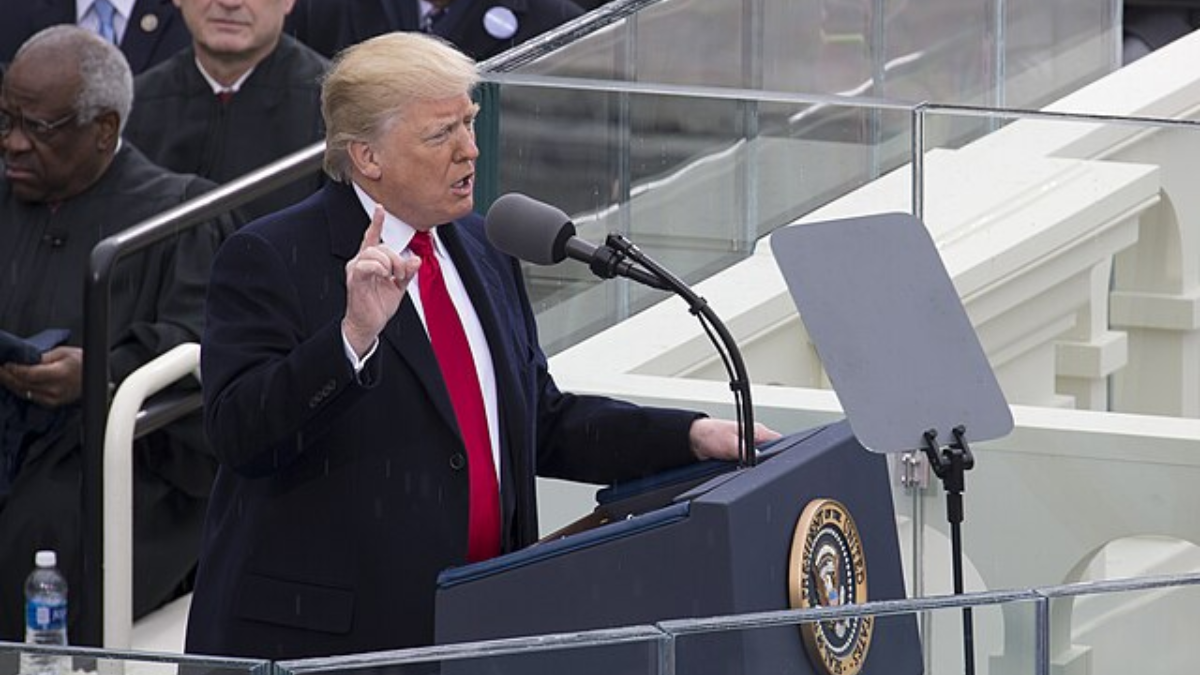
The military surge coincides with renewed friction between Washington and Tehran over Iran’s nuclear programme and what the Trump administration has described as destabilising regional activities. US President Donald Trump has publicly warned that a deal must be reached within “10–15 days,” stating, “We’re either going to get a deal, or it’s going to be unfortunate for them.”
How is India positioning itself diplomatically?
While refraining from direct commentary on US military actions, the MEA reiterated India’s broader diplomatic principles.
Jaiswal noted that India has welcomed efforts linked to UN Security Council Resolution 2803 concerning Gaza and has participated as an observer in discussions surrounding the US-proposed Gaza Peace Plan at the Board of Peace meeting in Washington.
How does the situation matter for India?
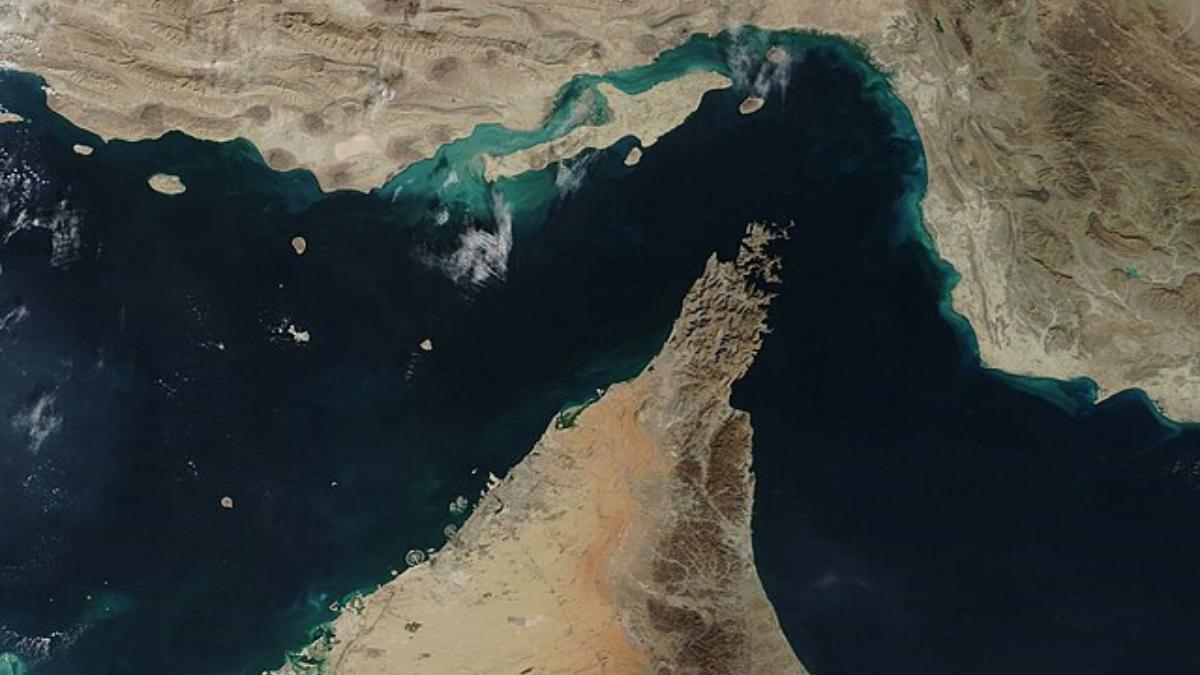
Iran and the wider Gulf region are strategically vital for India due to energy imports, maritime trade routes, a large Indian diaspora, along with regional security dynamics. Any military escalation could disrupt shipping lanes, impact oil markets and create evacuation challenges for expatriate communities.
While Trump has given a 10-15 days timeline for the nuclear deal, Iran Foreign Minister Abbas Araghchi stated that the US has not demand zero nuclear enrichment, which has been a key sticking point. Araghchi disputed claims that Washington had demanded “zero enrichment”, saying, “We have not offered any suspension, and the US side has not asked for zero enrichment.”