
UN West Bank Statement ‘Not a Negotiated Document’: MEA Clarifies Ahead of PM Modi’s Israel Visit
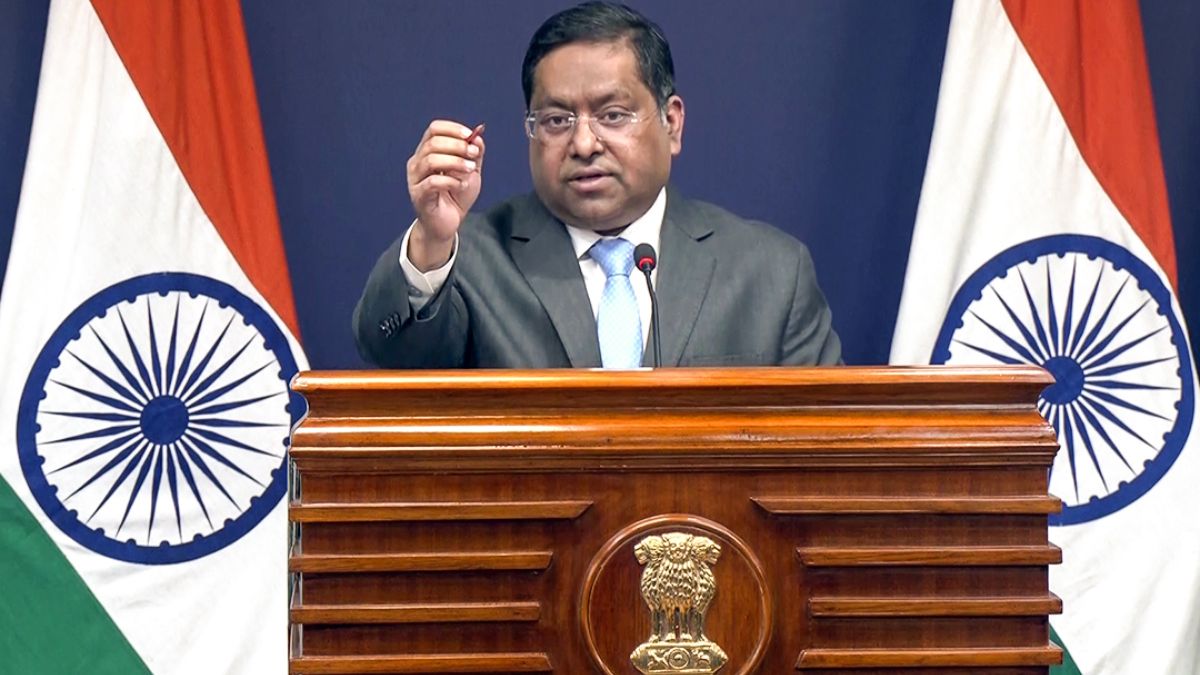
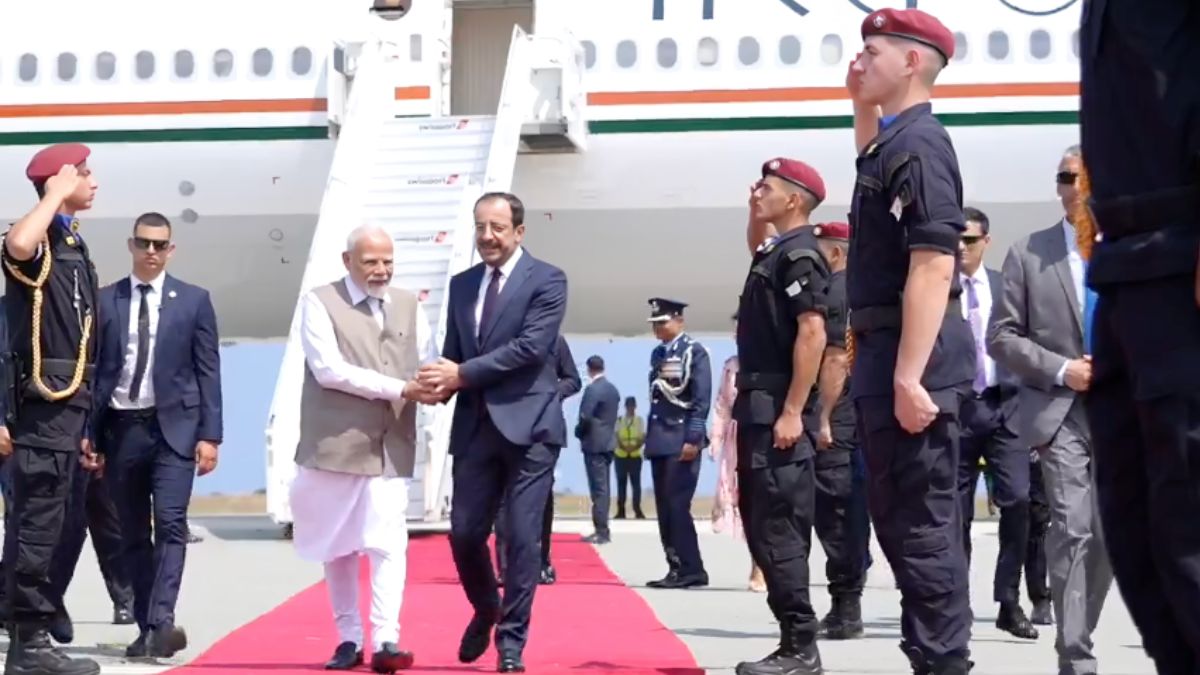
India was among over 100 countries and international bodies that condemned Israel’s attempts to consolidate control over the West Bank. Image courtesy: MEA

Ahead of Prime Minister Narendra Modi’s planned Israel visit, the Mintistry of External Affairs (MEA) has clarified that a recent United Nations joint statement condemning the country’s expansion in the West Bank was “not a negotiated document”, underlining that India’s formal position on the issue had already been articulated elsewhere.
MEA’s clarification on Friday (February 20, 2026) comes after India was listed among over 100 countries and international organisations that endorsed the UN statement criticising Israel’s actions in the occupied Palestinian territories.
What did the MEA say about the UN statement?
Responding to questions, MEA spokesperson Randhir Jaiswal stated that the UN text in question did not reflect a negotiated diplomatic outcome involving India. “The statement referred to was not a negotiated document. Our position on this particular issue was expressed in the India-Arab League Ministerial meeting joint statement,” he said.
MEA’s remarks suggest that India did not participate in drafting or formally negotiating the specific UN statement condemning Israel’s West Bank expansion, even though it endorsed it before the deadline.
According to the MEA, India’s stand was clearly articulated during the India-Arab League Ministerial meeting. That joint statement laid out a broader framework for strengthening India-Arab ties, emphasised the need for international relations to be conducted in accordance with the UN Charter, reiterated support for a sovereign, independent and viable Palestinian state.
It also backed the vision of Palestine living side-by-side with Israel in peace.
What did the UN joint statement say?
The UN statement, endorsed by more than 100 countries and organisations, condemned what it described as Israel’s unilateral measures to expand its presence in the West Bank. It stated that such actions violate international law, undermine peace and stability, and so must be immediately reversed.
The document also opposed any form of annexation and rejected measures aimed at altering the demographic composition, character or status of Palestinian territories occupied since 1967, including East Jerusalem. India endorsed the statement shortly before the deadline for joint condemnation expired.
Why is MEA’s clarification significant?
The MEA’s clarification comes just days ahead of Prime Minister Narendra Modi’s planned visit to Israel, during which he is also expected to address the Israeli Parliament. By stating that the UN text was “not a negotiated document,” the government signalled that while India supports principles rooted in international law and the UN Charter, it did not formally negotiate or draft the specific language of that condemnation.
PM Modi is expected to travel to Israel on a two-day visit from February 25.