

India-US Trade Deal Breakthrough: Legal Text Talks Begin February 23, Pact To Become Operationalised In April
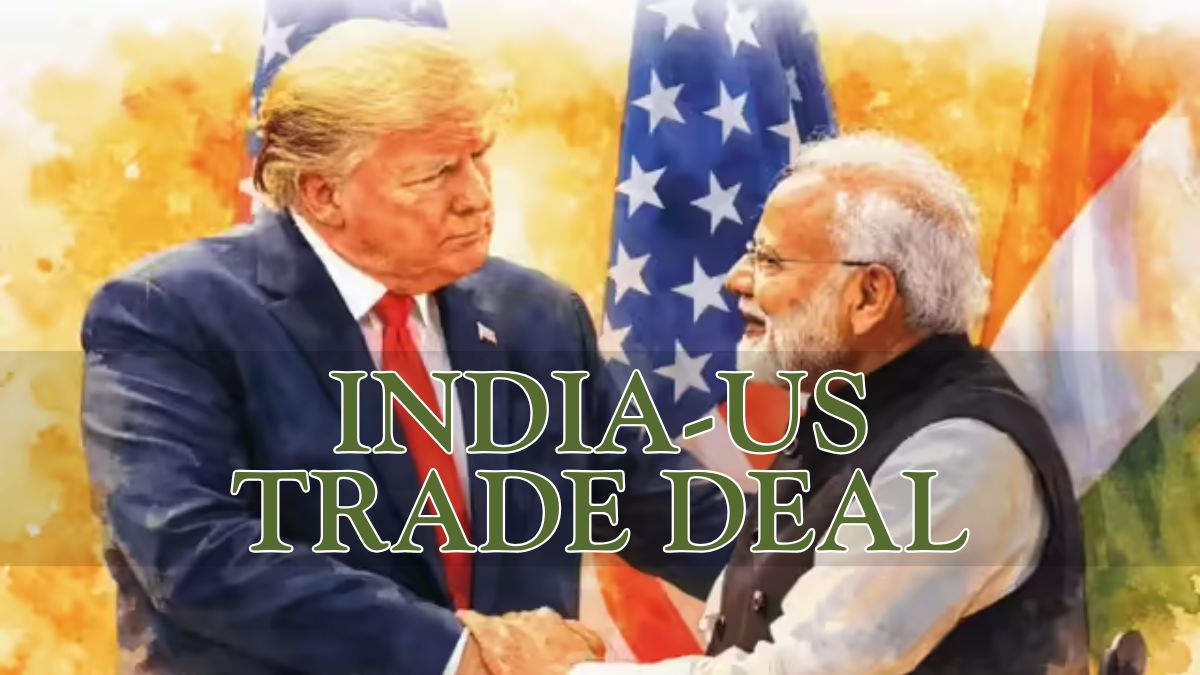
Earlier this month, India and the US announced that a framework for the interim trade agreement had been finalised. Image courtesy: RNA

In a major step forward for India-US economic ties, officials from both countries will begin a crucial three-day meeting in the United States from Monday (February 23, 2026) to finalise the legal text of the proposed interim trade agreement, which is now expected to be signed next month and operationalised as early as April.
The development marks a significant milestone following the recent announcement of a breakthrough framework between New Delhi and Washington, signalling renewed momentum in one of the world’s most consequential bilateral trade relationships. As part of the deal, US President Donald Trump announced tariff cuts for India from 50% to 18%.
India-US trade deal: What happens next in the process?
Earlier this month, India and the US issued a joint statement confirming that they had finalised the framework for an interim trade agreement. The focus now shifts from political consensus to legal precision. The upcoming negotiations in the US will translate the agreed framework into a binding legal document.
The framework is designed to lower tariffs, strengthen energy ties, and boost economic cooperation. While it sets a clear path forward, further negotiations will be needed to finalise an agreement. The Indian delegation will be led by chief negotiator Darpan Jain, Joint Secretary in the Commerce Ministry.
Commerce and Industry Minister Piyush Goyal has indicated that the agreement is likely to be signed in March and brought into effect in April.
What does the interim pact change?
At the heart of the agreement are reciprocal tariff adjustments aimed at easing trade frictions and boosting market access. TheUS has already announced that it will reduce reciprocal tariffs on Indian goods from 25% to 18% under the interim framework. It has also removed the 25% punitive tariffs previously imposed on India over its purchase of Russian crude oil.
In return, India has agreed to reduce tariffs on a majority of traded items, though certain sector-specific duties, including those on iron and steel, copper, aluminium, automobiles and auto parts, will remain at 50%.
President Donald Trump on Friday (February 20, 2026_ reaffirmed that the deal remains on track, describing US-India relations as “fantastic” and confirming that India will operate under the revised 18% tariff structure agreed upon in the framework.
Why is this deal significant now?
The breakthrough comes amid a broader reset in India-US economic engagement and follows months of negotiations aimed at resolving tariff disputes and strengthening supply chain cooperation. The interim pact is widely seen as a stepping stone toward a more comprehensive trade agreement in the future.
It also aligns with Washington’s push to deepen economic partnerships in the Indo-Pacific and reduce strategic dependencies. US Ambassador Sergio Gor said Secretary of State Marco Rubio is expected to visit India in the coming months, signalling continued high-level engagement as the deal moves toward formalisation.
Speaking on the sidelines of the AI Impact Summit, Gor described the Quad coalition as an important pillar of cooperation, underscoring how trade, technology and strategic coordination are increasingly interlinked.
An year of trade deals for India?
Union Commerce Minister Goyal also revealed that India’s free trade agreements with the United Kingdom and Oman are likely to be implemented in April, while the agreement with New Zealand is expected to come into force in September.
The India-US interim agreement, however, stands out given the size and strategic weight of the bilateral trade relationship.
What does the India-US timeline signal?
With legal text negotiations beginning February 23, signature expected in March and implementation targeted for April, both governments appear determined to move swiftly from announcement to execution.
As one of the world’s fastest-growing major economies deepens engagement with the world’s largest economy, the coming weeks could mark a defining phase in India–US economic relations.