
India Invited To Bangladesh PM-Elect Tarique Rahman’s Swearing-In: A Diplomatic Reset In Making?
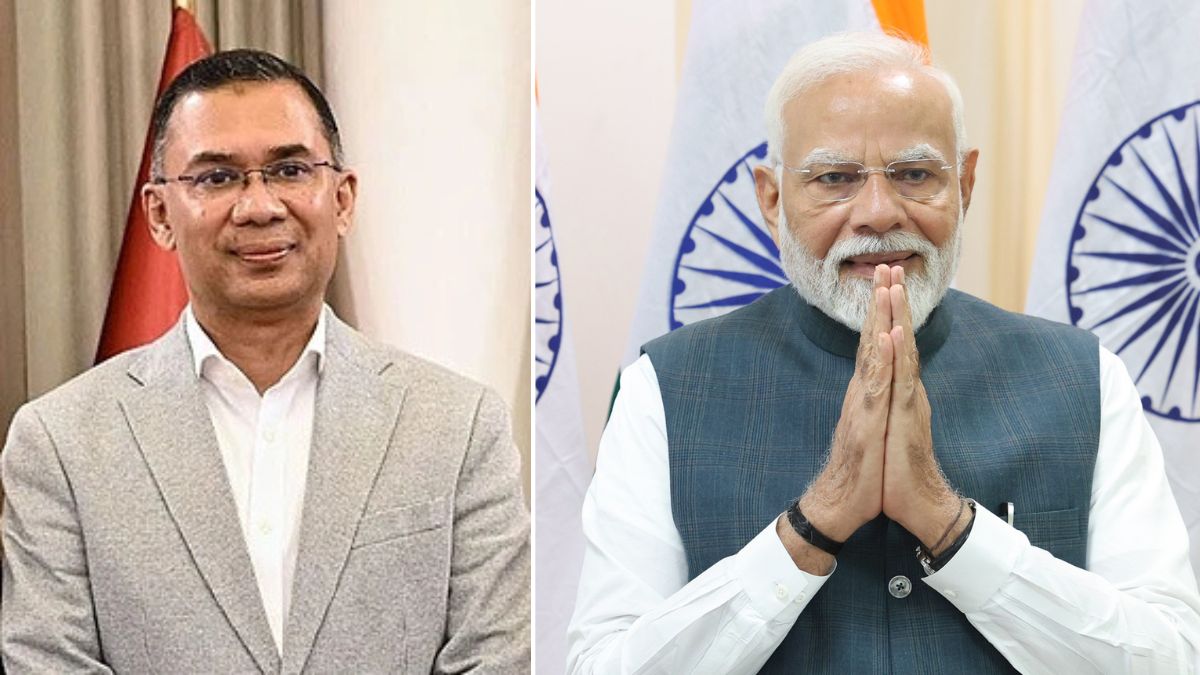
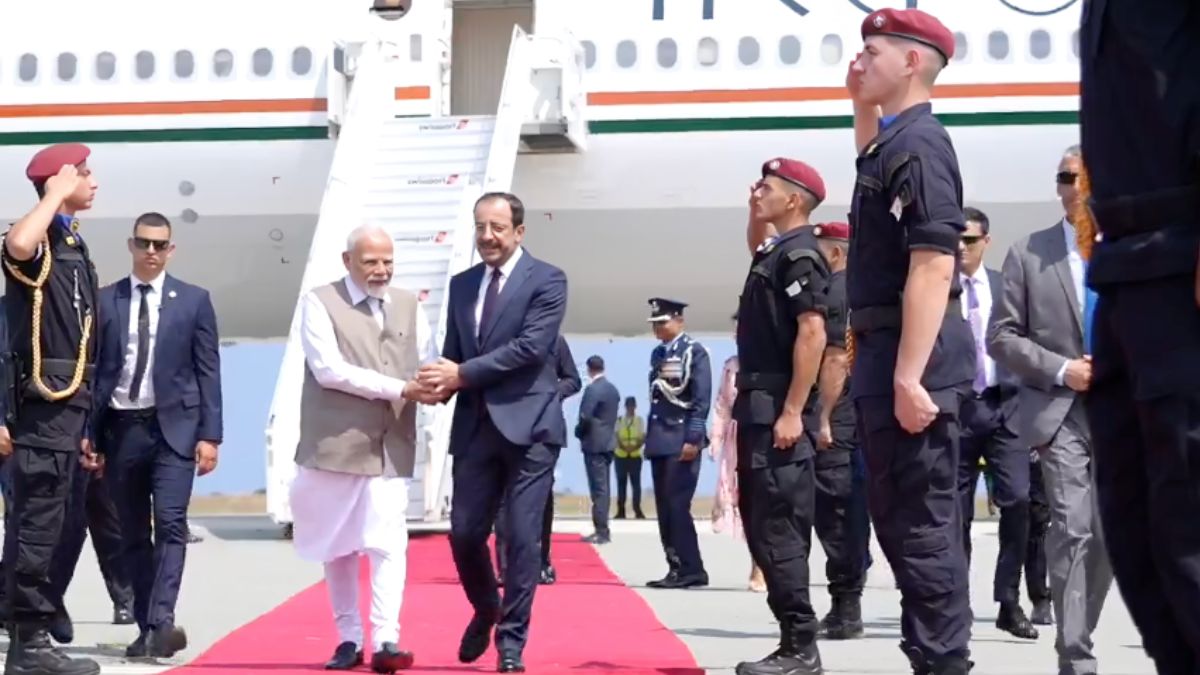
Even before the ceremony, BNP leaders made public statements indicating a willingness to engage India constructively. Image courtesy: RNA

In a significant regional development, India has been named among 13 countries invited to attend the swearing-in ceremony of Bangladesh’s new government led by Bangladesh Nationalist Party (BNP) chief Tarique Rahman. Tarique Rahman’s BNP secured a majority in February 12 election in the 350-member Parliament.
The invitation, extended by country’s interim Chief Adviser Professor Muhammad Yunus, comes at a time when India-Bangladesh relations have witnessed visible strain, making New Delhi’s inclusion in the guest list a notable diplomatic signal. Relations between the two Asian neighbours came under strain after the ouster of former Bangladesh PM Sheikh Hasina, who is currently in exile in India.
Rahman’s oath-taking ceremony is scheduled to take place at the South Plaza of the National Parliament in Dhaka on Tuesday afternoon. In his first press meeting in the capital, Rahman said that his priorities would be to improve law and order and handle a fragile economy.
Tarique Rahman’s oath taking: Why is India’s invitation significant?
India’s presence on the invite list is diplomatically important because ties between New Delhi and the BNP have historically been uneasy. During previous BNP-led governments, India had expressed concerns over security cooperation, cross-border extremism and political rhetoric.
In recent years, New Delhi’s ties were seen as closer to former PM Hasina’s Awami League government, which was ousted after mass protests in 2024.
Against that backdrop, India’s inclusion in the swearing-in ceremony of a BNP-led government suggests an early attempt at resetting engagement and signalling continuity in bilateral ties despite political change in Dhaka.
Who else has been invited to new Bangladesh government’s swearing in?
According to Bangladeshi media reports, the invite list includes China, Saudi Arabia, Turkiye, Pakistan, the United Arab Emirates, Qatar, Malaysia, Brunei, Sri Lanka, Nepal, the Maldives and Bhutan. The diverse list reflects Dhaka’s effort to balance relations across regional and global power centres.
Even before the ceremony, BNP leaders made public statements indicating a willingness to engage India constructively. BNP leader ANM Ehsanul Hoque Milan said PM Narendra Modi “should be invited” as a matter of diplomatic courtesy, adding that the party’s approach was “friends to all, malice to none.”
Following the election results, the BNP publicly thanked PM Modi for congratulating Rahman on his electoral victory. In a post on X, the party expressed appreciation for India’s acknowledgment of Rahman’s leadership and stated that Bangladesh remains committed to democratic values and inclusive development. It also signalled its intention to deepen bilateral engagement “guided by mutual respect”.
What did PM Modi say after Bangladesh election results?
Prime Minister Modi congratulated Rahman on leading the BNP to a decisive victory in the parliamentary elections, describing the mandate as a reflection of public trust.
He reiterated India’s support for a “democratic, progressive and inclusive Bangladesh” and expressed readiness to strengthen multifaceted ties and advance common development goals.
How has India engaged Bangladesh in recent months?
Despite tensions in political perceptions, India has maintained high-level diplomatic engagement. Notably, senior Indian leaders and representatives participated in the funeral of BNP chairperson Khaleda Zia in December 2025, a gesture widely viewed as a mark of respect and a signal that New Delhi was open to engagement.
The participation helped maintain diplomatic channels during a sensitive political period and may have contributed to keeping communication lines intact ahead of the electoral transition.
Meanwhile, the February 12 general election in Bangladesh was the first since the 2024 protests that removed Sheikh Hasina, which resulted in a landslide for the BNP, which secured well over the 151 seats needed for a majority in the 300-member parliament. The Islamist Jamaat-e-Islami alliance emerged as the principal opposition.
Voter turnout stood at approximately 59%, and a constitutional referendum on governance reforms was also approved.