Pakistan Accelerates PIA Privatisation Under IMF Pressure as Military-Linked Fauji Firm Joins Race
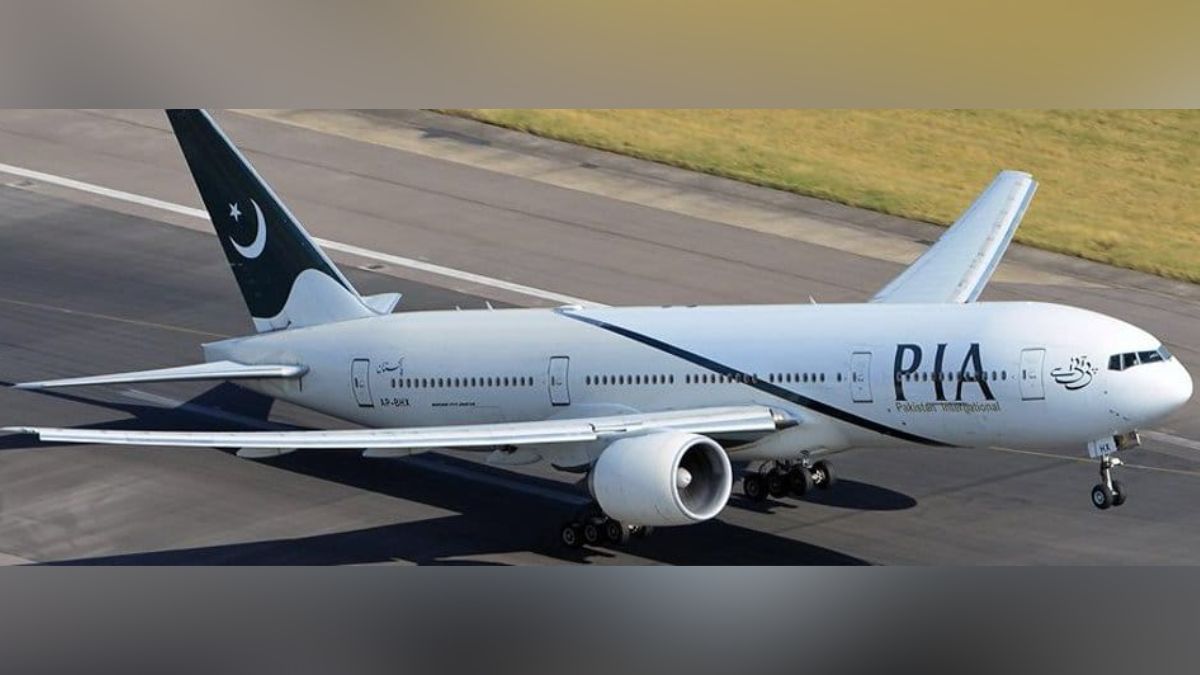
Image courtesy: X.com

Pakistan has taken a major step toward selling its bankrupt national airline, Pakistan International Airlines (PIA), as part of a sweeping reform package demanded by the International Monetary Fund (IMF).
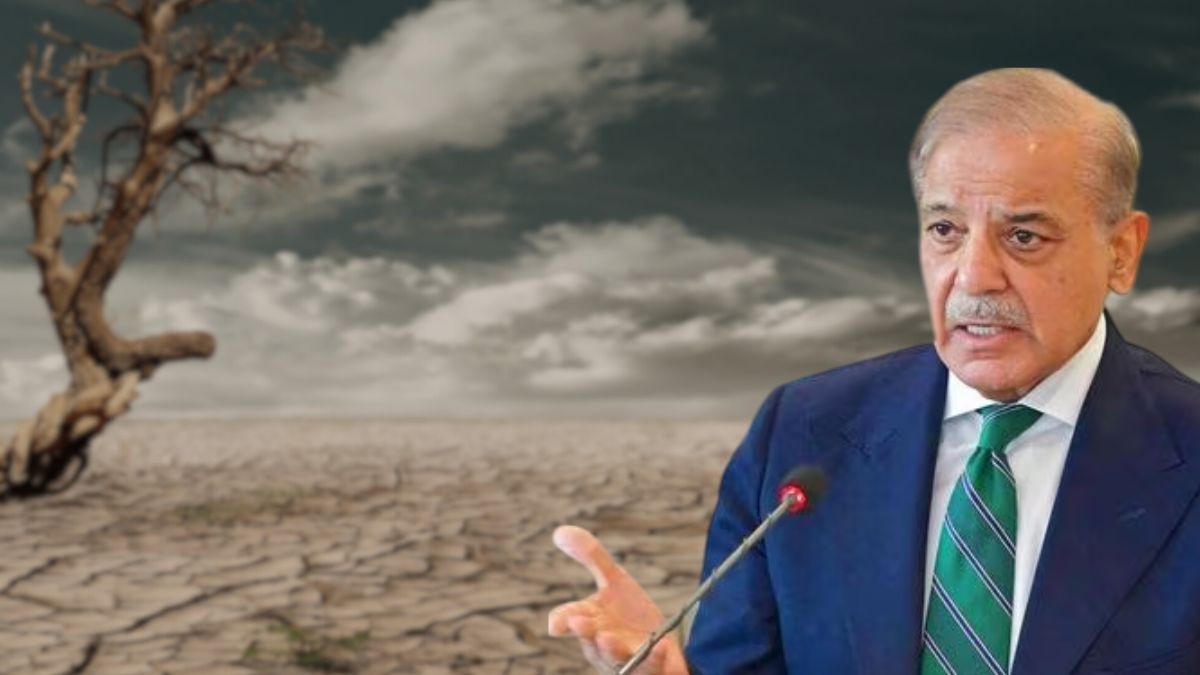
Prime Minister Shehbaz Sharif announced that the bidding for PIA will be held on December 23, 2025, with the entire process broadcast live across all media, an unusual attempt to signal transparency amid growing public scepticism.
Sharif met representatives from the four shortlisted bidders in Islamabad on Wednesday (December 3, 2025), marking the country’s most significant privatisation initiative in nearly 20 years.
The move comes at a time when Pakistan is battling severe economic distress, dangerously low foreign reserves, and a crushing debt load that has left the country dependent on repeated bailouts.
Who are the military-linked bidders for PIA?
One of the most closely watched bidders is Fauji Fertiliser Company Limited, part of the influential Fauji Foundation, a vast conglomerate controlled informally by Pakistan’s powerful military.
Although Army Chief Field Marshal Asim Munir does not personally sit on the Foundation’s board, he wields substantial influence through his authority over key military appointments.
The Quartermaster General, an appointee of Munir, sits on the Foundation’s Central Board of Directors, ensuring that the military remains deeply embedded in its decision-making structures.
The inclusion of a military-run entity in such a high-profile privatisation has raised debate about the increasing role of the armed forces in Pakistan’s economy.
Alongside Fauji Fertiliser, the Lucky Cement Consortium, the Arif Habib Corporation Consortium, and private airline Air Blue Limited have also been cleared to bid for PIA.
Is the IMF push driving the airlines sell-off?
The privatisation is a cornerstone of Pakistan’s ongoing $7 billion IMF programme, approved in September 2024. While the IMF disbursed $1 billion immediately, the remainder hinges on strict fiscal reforms, including subsidy cuts, tax hikes, and the sale of loss-making state enterprises.
The government aims to raise PKR 86 billion from privatisation proceeds this year, with earlier plans suggesting that 15 percent of the revenue from previous bidding rounds would go to the government and the rest stay with PIA to ensure operational continuity.
Pakistan’s chronic financial crisis has left the government with little choice but to push forward. The country is now the IMF’s fifth-largest debtor, having taken more than 20 IMF loans since 1958.
By 2023, Pakistan narrowly escaped a sovereign default as it struggled with soaring inflation, crippling energy costs, and ballooning debt servicing obligations, problems exacerbated by political instability and heavy defence spending.
What is the story of PIA’s downfall?
PIA’s deterioration mirrors the country’s broader governance failures. Once considered one of Asia’s premier airlines, PIA helped launch carriers like Emirates and was known for its service quality and global footprint. But decades of political interference, overstaffing, corruption, and mismanagement steadily eroded its operations.
The crisis reached a turning point in 2020, when the government admitted that more than 30 percent of Pakistani pilots held fake or dubious licences. The revelation shocked the global aviation community and forced the grounding of 262 pilots.
Soon after, the European Union Aviation Safety Agency (EASA) banned PIA flights to Europe. The UK and US followed with similar restrictions, cutting the airline off from its most profitable long-haul markets.
The airline’s financial position spiralled further after the 2020 crash of PIA Flight 8303, which killed 97 people and led to costly safety audits and emergency repairs.
By then, PIA’s losses had crossed PKR 200 billion, its reputation had collapsed, and its international footprint had shrunk dramatically.
Why is this development a national reckoning?
PIA’s implosion reflects Pakistan’s wider economic and institutional crisis, a mix of weak governance, entrenched political interference, and structural decay.
As the government prepares for the December 2025 bidding, the privatisation of the national flag carrier has become more than a financial transaction. It is a litmus test of whether Pakistan can break free from decades of mismanagement or whether old power structures will continue to shape its economic destiny.