Reiterated Importance Of Hormuz Navigation: MEA As PM Modi Steps Up Global Diplomacy Amid Deepening West Asia Crisis
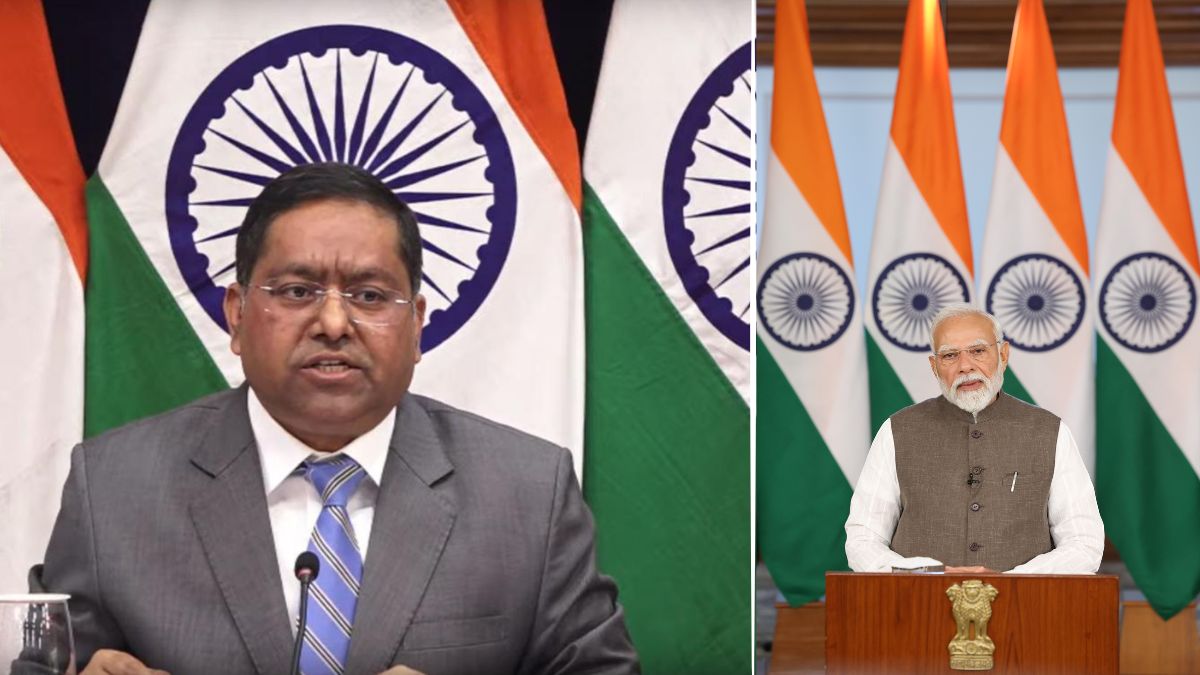
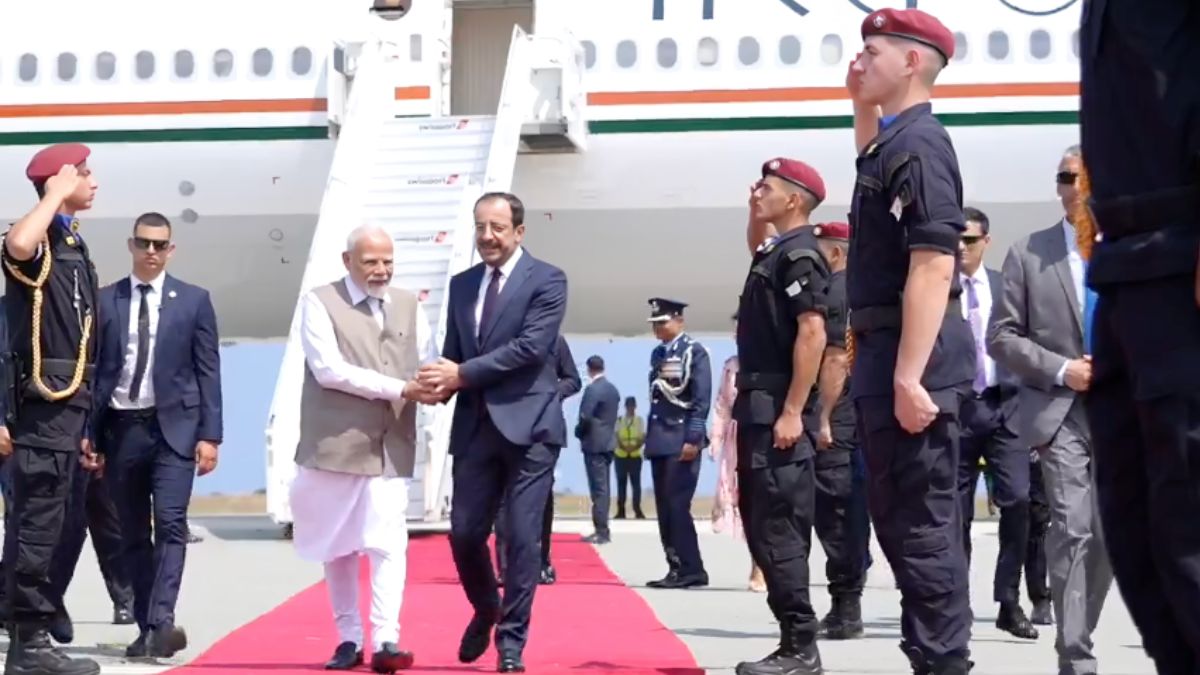
PM Modi condemned the attacks on critical infrastructure in the region, which threatened regional stability and disrupt global supply chains. Image courtesy: RNA

As tensions spiral across West Asia with escalating strikes and fears of a wider regional war, Prime Minister Narendra Modi has intensified high-level diplomatic outreach, positioning India as a key voice advocating de-escalation, stability, and protection of global trade routes. Over the past few weeks, he has held talks with several leaders in the region.
The Ministry of External Affairs (MEA) on Monday (March 23, 2026) confirmed that New Delhi is in constant touch with major stakeholders in the conflict, even as the situation threatens to disrupt energy supplies and maritime security on a global scale.
PM Modi’s diplomatic push: Direct talks with global leaders
Amid the rapidly deteriorating security environment, Prime Minister Modi has been personally engaging with world leaders, underlining India’s proactive diplomatic approach.
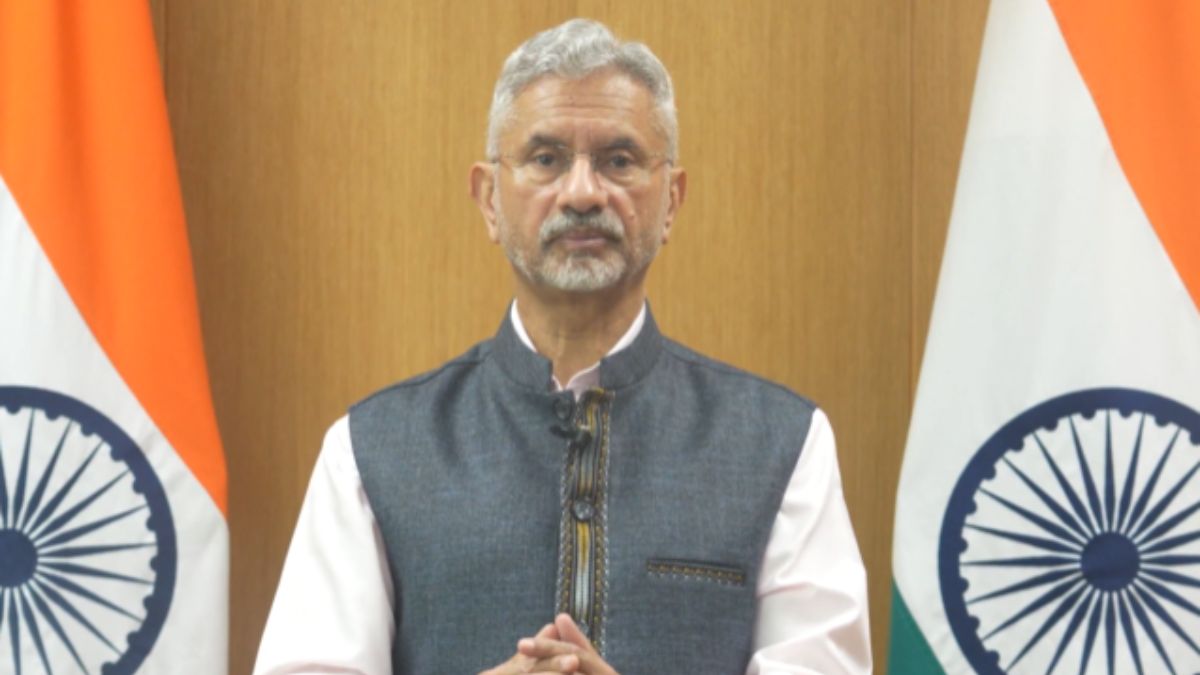
“As you are aware, the Prime Minister has been speaking to several world leaders on the ongoing conflict in the West Asia region,” MEA spokesperson Randhir Jaiswal said during a media briefing.
A key development came over the weekend when Modi held a conversation with Iranian President Masoud Pezeshkian, signalling India’s intent to maintain open channels with critical regional players despite rising hostilities.
Message to Tehran: Peace, stability and civilian safety
During his interaction with the Iranian leadership, PM Modi extended Eid and Nowruz greetings, while also conveying a strong message on peace and restraint. He “expressed hope that this festive season would bring peace, stability and prosperity in West Asia,” while raising concerns over attacks impacting non-combatants.
India also took a firm stand against the targeting of civilian infrastructure, with the Prime Minister condemning strikes that threaten to escalate the crisis further.
India flags threat to global supply chains
With drone and missile strikes increasingly targeting energy facilities across the Persian Gulf, New Delhi has raised alarm over the broader economic fallout. “The Prime Minister condemned the attacks on critical infrastructure in the region, which threatened regional stability and disrupt global supply chains,” the MEA said.
The concern is particularly acute for India, one of the world’s largest energy importers, as instability in West Asia directly impacts fuel prices, inflation, and economic stability.
Strait of Hormuz in focus: India calls for secure sea lanes
A major flashpoint remains the Strait of Hormuz, a critical chokepoint through which a significant portion of global oil trade passes. Highlighting the risks of maritime disruption, Modi reiterated the importance of keeping shipping lanes open.
“He stressed safeguarding freedom of navigation and ensuring that shipping routes remain secure,” Jaiswal said, reflecting India’s strategic priority to prevent any blockade or escalation at sea.
Indian diaspora safety remains a priority
Beyond geopolitics and economics, the safety of millions of Indians living and working in West Asia remains central to New Delhi’s approach. The Prime Minister acknowledged Iran’s cooperation in ensuring the welfare of Indian nationals, even as contingency planning continues amid fears of further escalation.
The West Asia conflict has intensified since late February, with cycles of retaliatory strikes involving Iran, Israel, and the United States. Energy installations, military assets, and strategic infrastructure have increasingly come under attack. With growing concerns over a possible closure of the Strait of Hormuz and expanding military engagements, the crisis is now seen as one of the most serious threats to global energy security in recent years.