Russia Claims Major Battlefield Gains, But Ukraine Calls It Pure Propaganda
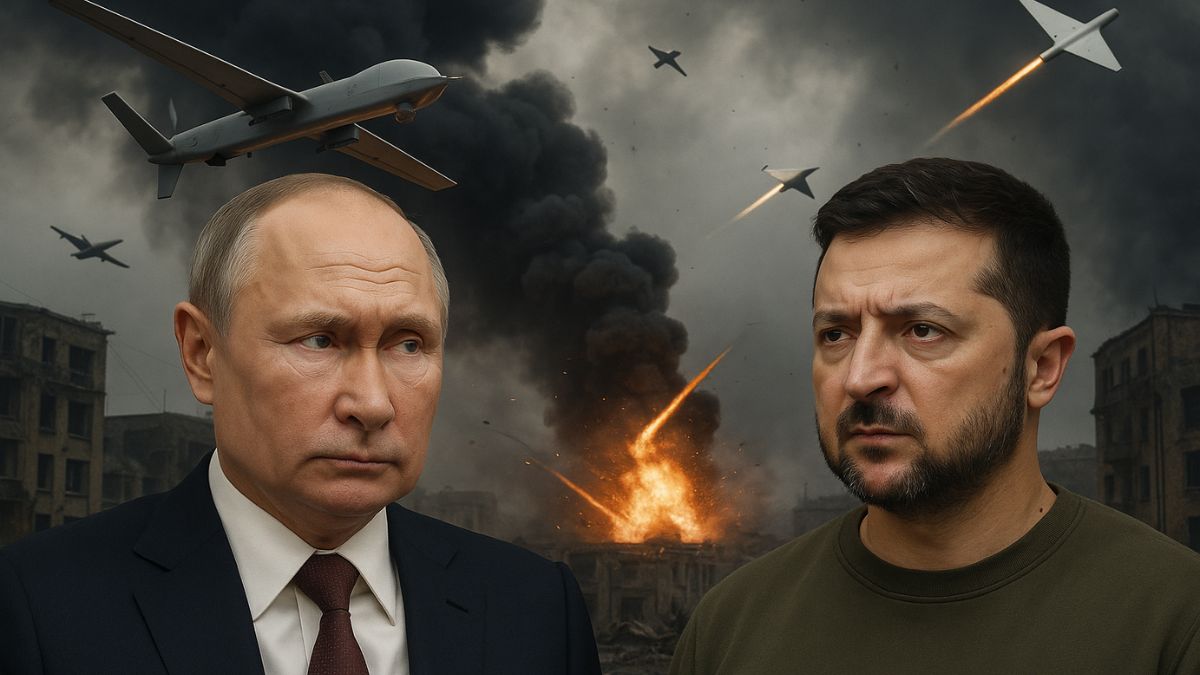
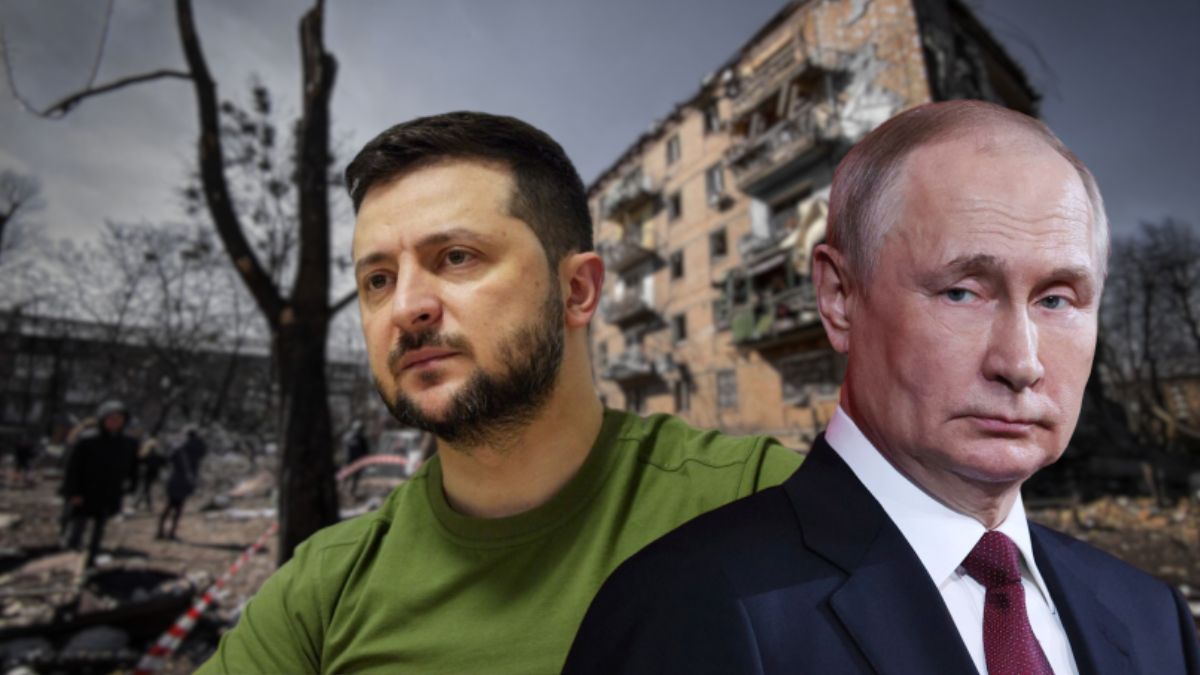
Russia and Putin have made opposing claims about the status of control of the territory of Kupiansk. Image courtesy: AI-generated picture via Sora

Russia and Ukraine delivered starkly opposing narratives on Thursday (November 21, 2025) after Russian Chief of General Staff Valery Gerasimov informed President Vladimir Putin that Russian forces had captured the northeastern Ukrainian city of Kupiansk.
Ukraine immediately denied the claim, calling it part of Moscow’s ongoing information war aimed at projecting sweeping battlefield success.
What did the Kremlin say about Kupiansk?
The Kremlin said Putin visited the command post of Russia’s “West” military grouping, where he held a high-level briefing with Gerasimov and senior commanders.
In a video released on the Kremlin’s website, Putin and Gerasimov appeared in military uniform as the top general announced that Russian forces had “liberated” Kupiansk.
Gerasimov added that Russian units were continuing to destroy Ukrainian troops allegedly surrounded on the left bank of the Oskol River.
What were the Russian General’s claims?
Gerasimov went on to assert that Russian forces now controlled 70% of Pokrovsk, a major logistics hub in Donetsk region, and more than 80 per cent of Vovchansk, a border town in Kharkiv region.
He described the fighting around Pokrovsk as some of the most intense along the 1,200-kilometre front line, claiming that Ukrainian troops were offering “stiff resistance” but were being steadily pushed back.
How did Ukraine react to Kremlin’s claims?
Ukraine, however, rejected the claims in their entirety. In a late-night statement, the General Staff of Ukraine’s Armed Forces insisted that Kupiansk “remains under the control” of Ukrainian defence forces.
The statement also said reports that Russia had captured most of Vovchansk and Pokrovsk were false, stressing that although clashes remained heavy in those sectors, Ukrainian forces continued to hold key ground.
How many Russian assaults took place in Pokrovsk?
Kyiv reported 56 Russian assault attempts in the Pokrovsk direction alone, underscoring the pressure faced by its frontline troops as Russia continues its slow westward advance in Donetsk.
The broader campaign aims to seize the entire Donbas region, which includes both Donetsk and Luhansk. Russia also maintains a firm grip over parts of the south, including newly taken areas in the Zaporizhzhia region, and currently controls about 19% of Ukraine’s territory.
Why did analysts doubt Kremlin’s claims on Kupiansk?
The Kremlin did not reveal the precise location of Putin’s meeting with his top commanders, leaving unclear whether it took place near active combat zones or at a secure rear position.
Analysts noted that the lack of transparency fits into Russia’s wider strategy of shaping perceptions of momentum and inevitability.
How did Trump muddy the claims and counterclaims of Russia, Ukraine?
Amid the battlefield claims and counterclaims, a separate development added a new layer of complexity to the already volatile conflict.
A draft of US President Donald Trump’s proposed peace plan, obtained by a Western news wire, suggests a dramatic reshaping of the terms under which the war might end.
According to the draft, the plan would require Ukraine to give up territory currently claimed by Russia and place limits on the size of Ukraine’s future military. It would also halt any future expansion of NATO, an outcome long sought by Moscow.
What more details of the peace plan became public?
The proposal further outlines the use of $100 billion in frozen Russian assets to rebuild Ukraine, while offering Russia a pathway back into the global economic system, including the eventual lifting of sanctions.
Under the plan, Russia would also rejoin what was once known as the Group of Eight, restoring its status among the world’s largest economies.
As both sides dig in on the battlefield and political negotiations swirl in the background, the conflict enters a new phase where territorial gains and diplomatic manoeuvring may soon collide, potentially reshaping the future of Europe.