
Songs Of Survival: How Uyghur Artists Turn Exile Into Cultural Resistance On Independence Day
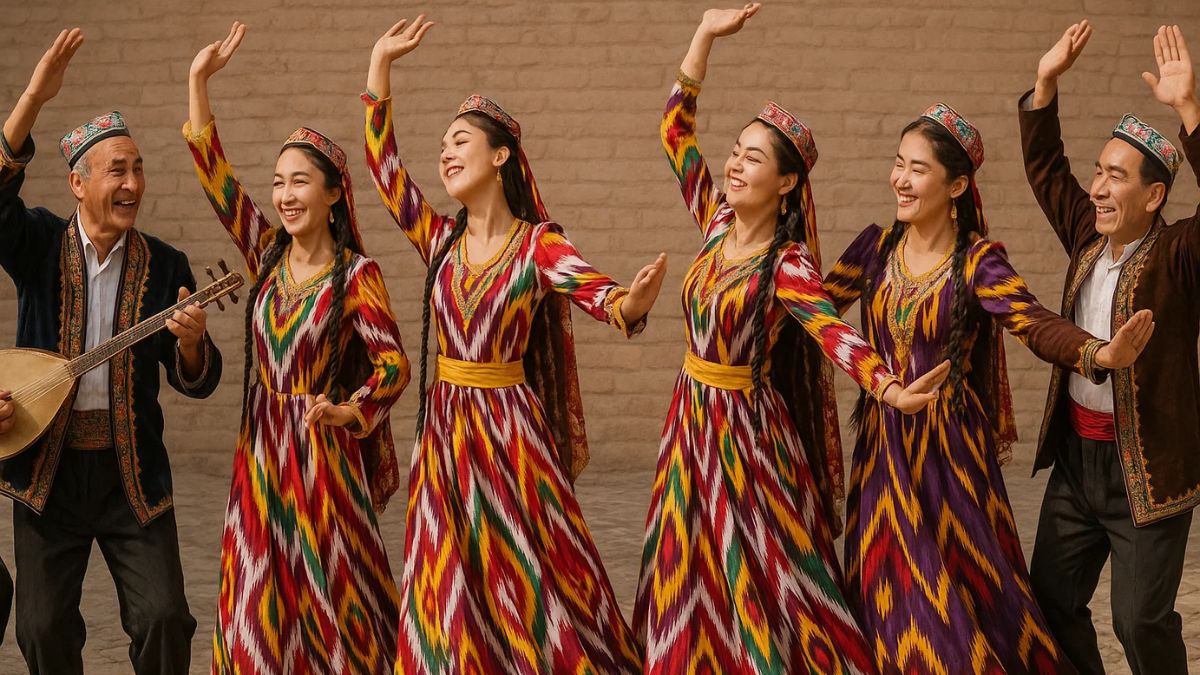
Uyghurs abroad are working hard to keep their culture alive and pass it on to the next generation. Image courtesy: AI-generated picture via Sora

As Uyghurs around the world mark Uyghur Independence Day on Wednesday (November 12, 2025), their music, poetry, and art have become the last strongholds of a culture under siege.
In China’s Xinjiang region, where Uyghur identity has been criminalised, expressions of faith, language, and heritage can lead to detention or worse. But across the diaspora, from Istanbul to Melbourne and from Oslo to Washington, Uyghur artists continue to perform, write, and teach, transforming art into resistance.
Centuries-old traditions such as the Twelve Muqam, a vast cycle of sung poetry, dance, and storytelling, still resonate in exile. Performers stage community festivals and share recordings online, ensuring that young Uyghurs grow up hearing their ancestral rhythms.
Dancers, especially women, keep the choreography alive in small gatherings or public performances, turning every movement into a symbol of endurance. For many, performing in Uyghur is both celebration and an act that defies Beijing’s attempt to erase their language from daily life.
How does poetry preserve memory?
Poetry has long been the Uyghur people’s mirror and weapon. In exile, writers have taken on the role of historians, chronicling the trauma of disappearance and the persistence of hope. Their verses mourn families torn apart by internment camps and celebrate the quiet resistance of those who still whisper prayers in Uyghur. Through digital anthologies and community readings, their poems travel where people cannot—past borders, past firewalls, keeping language and collective memory alive.
In visual arts, painters and multimedia creators portray everyday life before repression, the vastness of the Taklamakan desert, and the resilience of mothers who refuse to forget missing relatives. Each brushstroke and installation becomes testimony— a counter-narrative to China’s propaganda, one that tells the world the Uyghur story through colour, texture, and silence.
Can exile sustain identity?
Across the diaspora, Uyghur community centres serve as both classrooms and sanctuaries. Children learn traditional songs, dances, and crafts while scholars document endangered manuscripts and oral histories. In Istanbul, Europe, and North America, festivals mark cultural continuity; even simple acts—speaking Uyghur, cooking traditional dishes, teaching music—assert that identity will not be extinguished.
Writers and teachers frame language preservation as resistance itself. Every poem, song, and story is a declaration that Uyghur culture belongs to the people, not the state that seeks to suppress it.
On this Independence Day, the Uyghur community’s art speaks louder than politics: culture endures not because it is safe, but because it refuses to die.