

Trump Eyes ‘C5’ Power Bloc With China, Russia, India, and Japan, Challenging G7-Led World Order
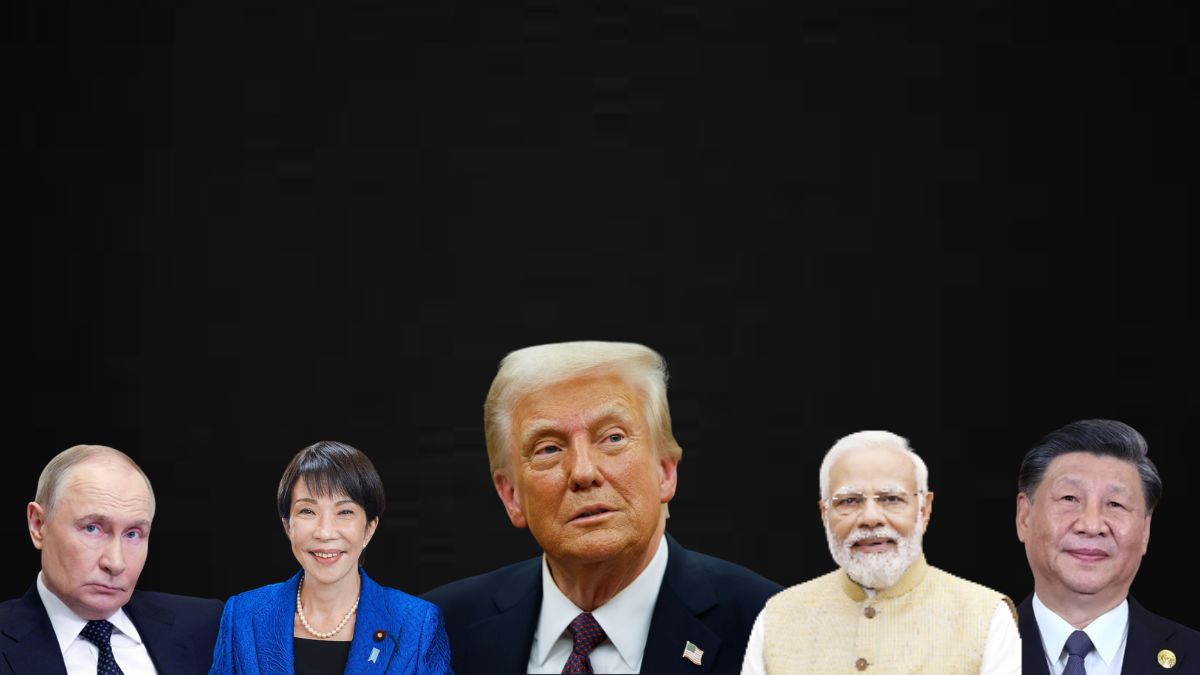
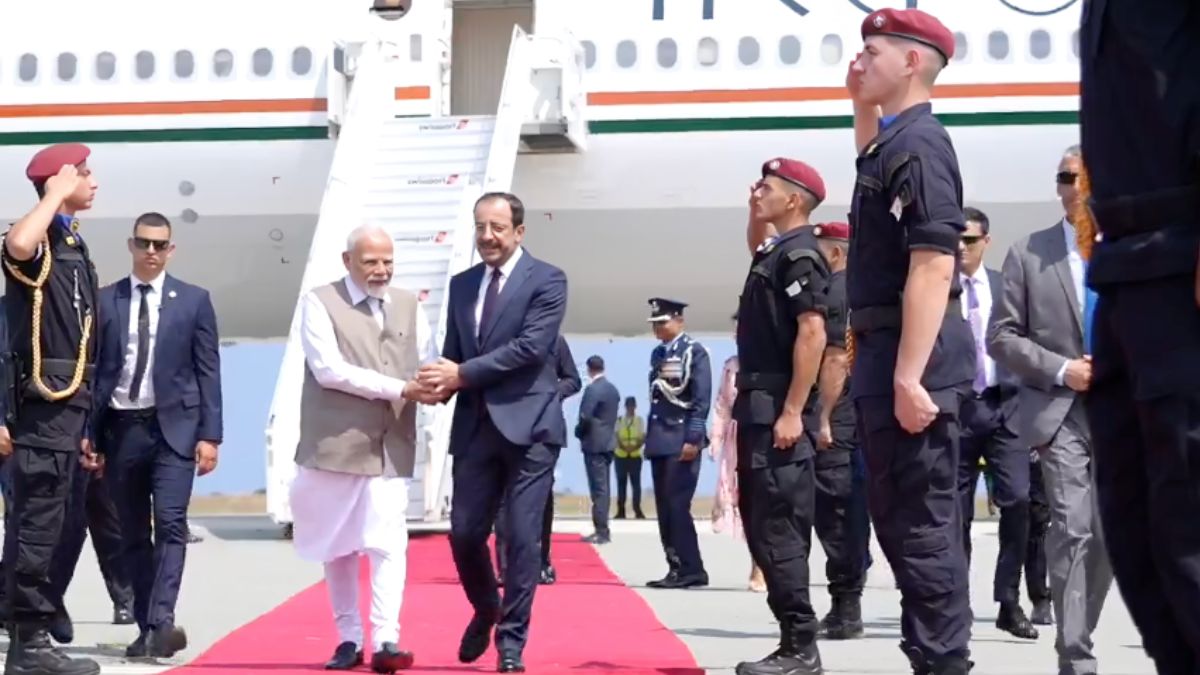
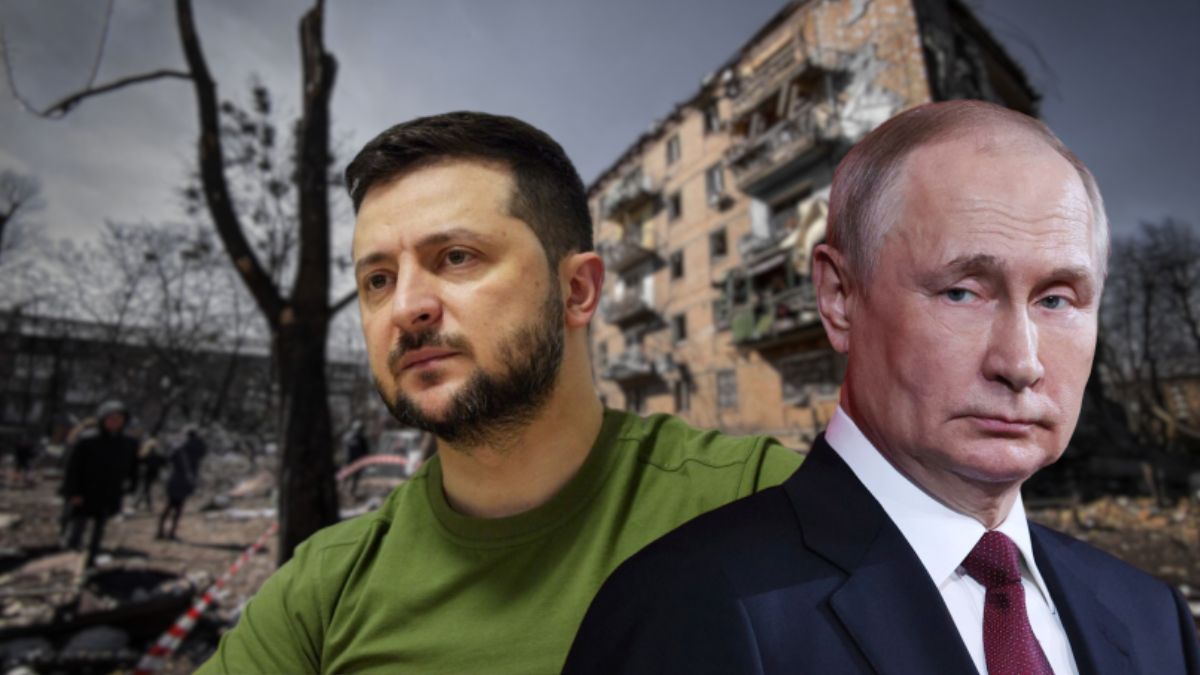
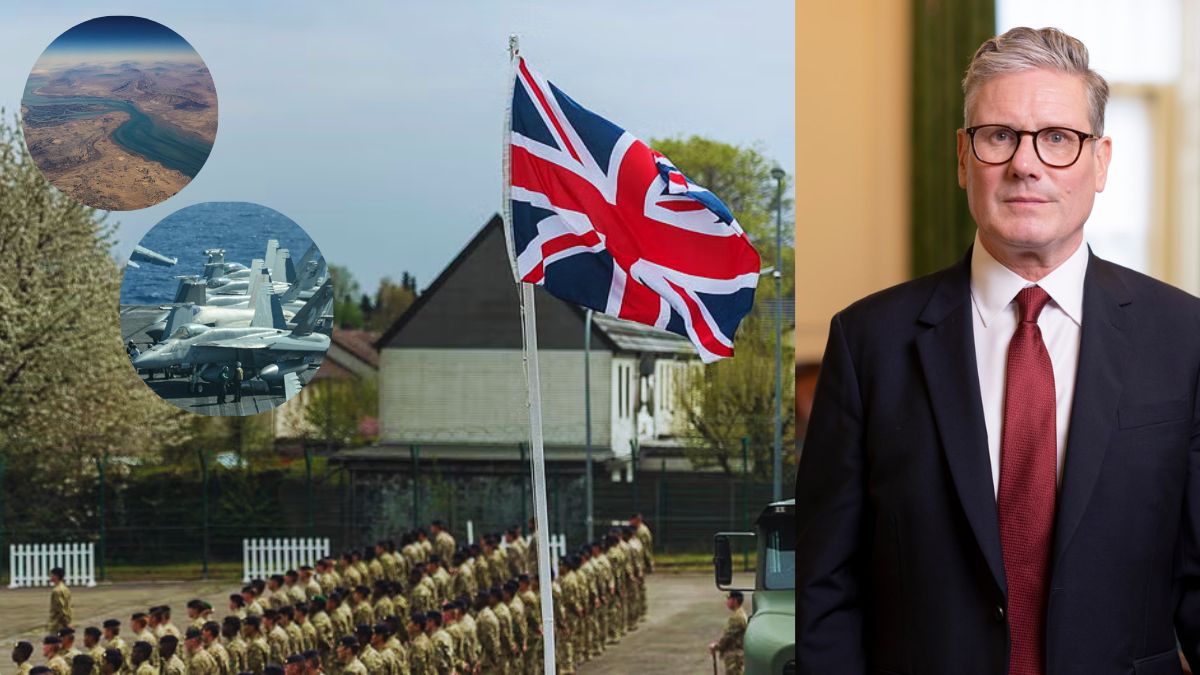
Leaders from key global powers as reports point to a proposed rethink in US diplomacy, with security interests and geopolitical deal-making taking precedence over traditional alliance frameworks. Image courtesy: RNA

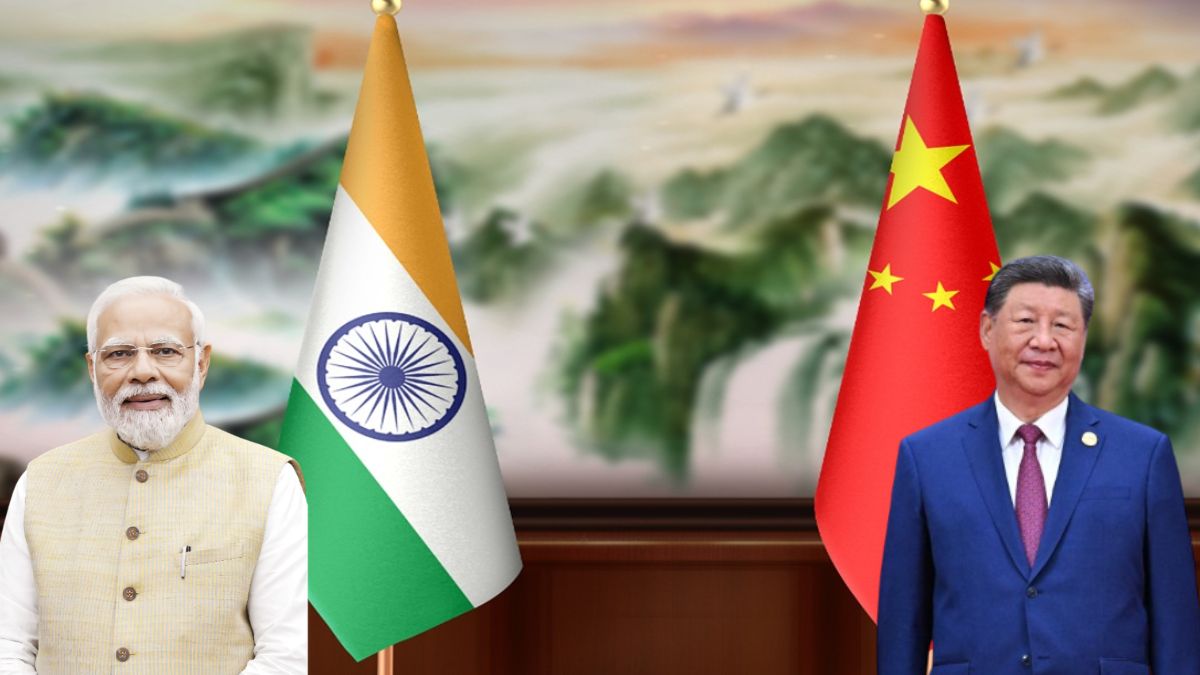
US President Donald Trump is reportedly exploring a radical rethink of global diplomacy through a proposed new elite forum of major powers dubbed the “C5” or “Core Five”, a grouping that would bring together the United States, China, Russia, India, and Japan while sidelining the Europe-dominated G7 and other traditional Western-led institutions.
While the White House has denied the existence of any such plan, the idea was revealed by American media platforms, which cited a longer, unpublished version of the US National Security Strategy.
What is Trump’s C5 plan?
According to the media reports, the proposed C5 would function as a hard-power forum, focused on security and geopolitical deal-making rather than shared democratic values or economic status.
The concept reflects a growing belief within parts of Washington that existing groupings such as the G7 and even the G20 are ill-suited to managing a multipolar world marked by population size, military strength, and economic weight rather than ideology.
Unlike the G7, which requires members to be both wealthy and democratic, the C5 would prioritise strategic influence, bringing together countries that collectively dominate global security calculations.
How pragmatic is the C5 idea?
The reports said that the C5 would meet regularly, similar to the G7, with its first proposed agenda centred on West Asia security, specifically the normalisation of relations between Israel and Saudi Arabia.
The inclusion of China and Russia alongside key US partners India and Japan underscores a pragmatic, power-centric approach to diplomacy.
How does the concept align with Trump’s worldview?
Although White House press secretary Hannah Kelly has insisted that “no alternative, private, or secret version” of the National Security Strategy exists, national security experts say the idea bears a distinctly “Trumpian” imprint.
Torrey Taussig, a former director for European affairs on the US National Security Council, noted that the concept aligns with Trump’s non-ideological worldview and his preference for dealing with strong leaders and recognised spheres of influence.
Why is Europe out of the C5?
Notably absent from the proposed grouping is Europe, a fact likely to unsettle US allies. Taussig warned that excluding European powers while elevating Russia could reinforce perceptions that Washington is willing to acknowledge Moscow’s influence over its neighbourhood, potentially at Europe’s expense.
Others see the C5 idea as a sharp departure from Trump’s first-term China policy. Michael Sobolik, a former aide to Republican Senator Ted Cruz, pointed out that the earlier administration framed US-China ties around “great power competition,” making cooperative frameworks with Beijing a significant shift.
What would be Europe’s problem with C5?
The reports come amid broader debate over whether a second Trump presidency could upend the post-Cold War world order.
For US allies, the C5 concept raises concerns about legitimising authoritarian “strongmen”, weakening NATO cohesion, and diluting Western unity, signals that Washington may be rebalancing global leadership away from values-based alliances toward raw power politics.