India Joins Global Push To Reopen Hormuz: Misri Attends UK-Led Talks Even As Iran Keeps Route Open For ‘Friend’
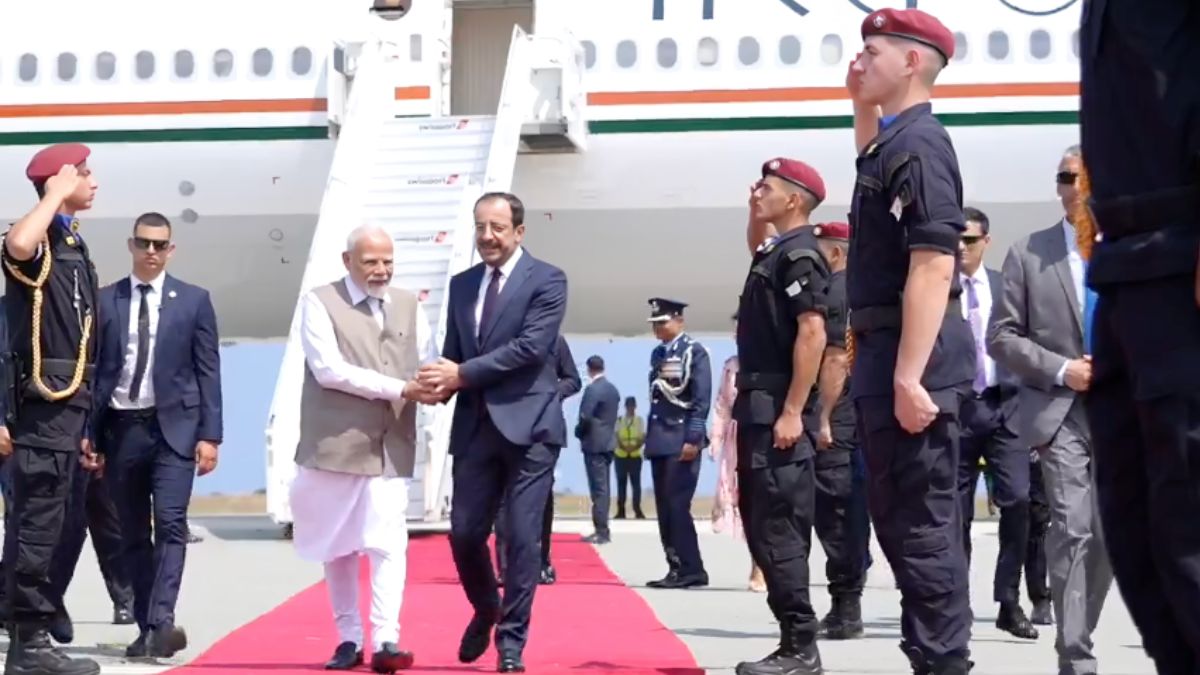
The discussions focused on the urgent need to restore freedom of navigation for international shipping, among other things. Image courtesy: RNA

Amid mounting global concern over the blockade of the Strait of Hormuz, India has stepped into high-level diplomatic efforts led by the United Kingdom to restore freedom of navigation in one of the world’s most critical energy corridors. The participation came even as Tehran recently said that its “Indian friends” don’t need “to worry” about the Strait of Hormuz.
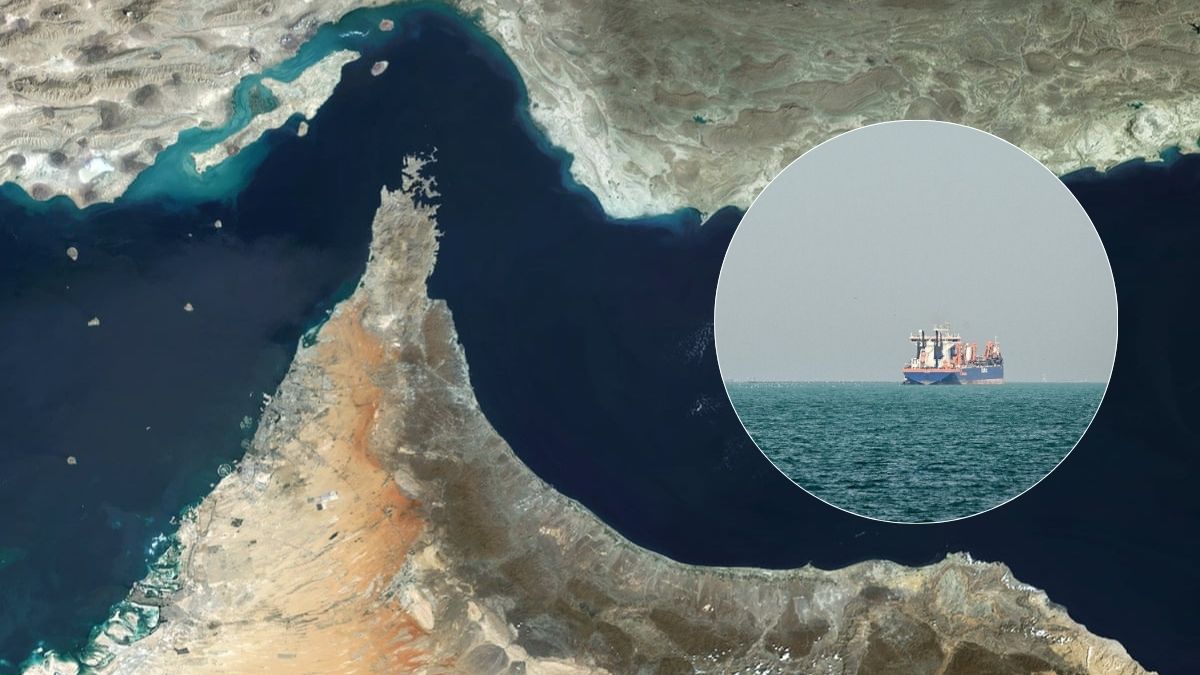
Worth noting here is that the narrow Strait of Hormuz is a key shipping route that has been disrupted since Israel and the United States attacked Tehran on February 28. Iran, which controls the Strait of Hormuz, on Thursday (April 2, 2026) said it has permitted “friendly nations”, including India, China, Russia, Iraq and Pakistan, passage through Hormuz.
The significance of Hormuz could be gauged from the fact that 20% of the world’s energy is transported through this very narrow shipping route.
Strait of Hormuz crisis: What happened at the UK-led meeting?
The Strait of Hormuz, through which nearly a fifth of the world’s oil supply passes, has been effectively choked since February 28, following the outbreak of the US-Israel-Iran conflict. The disruption has triggered sharp spikes in global oil and gas prices, supply chain shocks in LNG and fertilisers, and a dramatic 94% drop in tanker traffic, according to maritime data.
With the global economy under strain, reopening the waterway has become an urgent international priority.
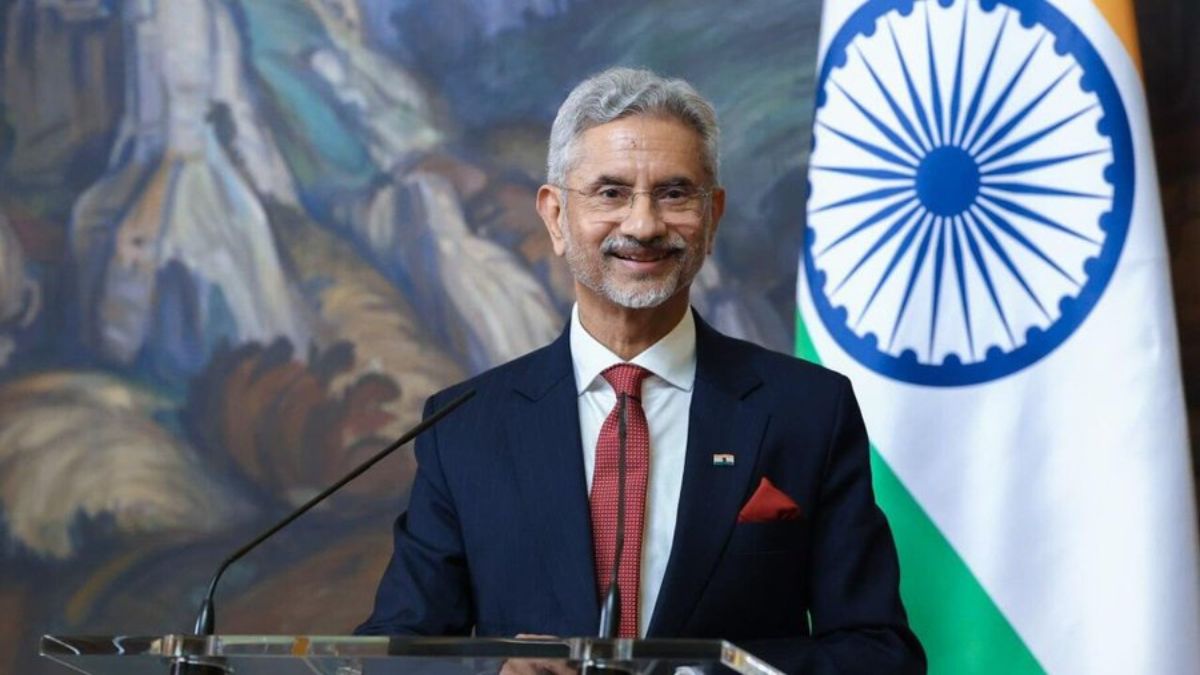
India participated in a UK-led virtual meeting involving over 40–60 countries, aimed at finding ways to restore shipping through the Strait. Foreign Secretary Vikram Misri represented India at the talks, which focused on ensuring freedom of navigation, exploring diplomatic and economic solutions, reviewing future maritime security mechanisms.
UK Foreign Secretary Yvette Cooper described the situation starkly, saying, “We have seen Iran hijack an international shipping route to hold the global economy hostage.” She noted that “unsustainable” spikes in oil and food prices were “hitting households and businesses in every corner of the world.” British PM Keir Starmer also emphasised the need to explore all viable measures to resume shipping and protect seafarers.
What was India’s stand at the talks?
India struck a balanced and pragmatic tone during the discussions. According to the Ministry of External Affairs (MEA), Vikram Misri highlighted the importance of “freedom of navigation and unimpeded transit through international waterways”, the direct impact on India’s energy security, along with the risks faced by Indian seafarers.
He also noted that India remains the only country to have lost mariners in recent Gulf attacks. Crucially, India underscored that the path forward lies in – “de-escalation and a return to the path of diplomacy and dialogue among all concerned parties.”
How is India ensuring safe passage for its ships?
Even as global powers debate coordinated responses, India has been actively engaging with regional players, including Iran, to secure its immediate interests. MEA spokesperson Randhir Jaiswal recently informed, “We are in touch with Iran and other countries there to see how best we can get unimpeded transit and safe transit for our ships.”
As a result of these efforts, 6 Indian ships have safely crossed the Strait of Hormuz in recent days. Critical cargo, including LPG, LNG and other essential supplies, has continued to move.
In a notable diplomatic nuance, Iran has reportedly treated India as a trusted partner, allowing Indian vessels to pass despite broader restrictions. For India, this relationship has proven crucial in ensuring energy flows remain uninterrupted, even as the broader region faces disruption.
Is the world moving toward a coordinated response?
Several countries, including the UK, France, Germany, Italy, Canada, Japan, and the UAE, have signed a joint statement demanding that Iran stop blocking the Strait and ensure safe passage. However, key players like the US, China, and many Middle Eastern nations have not signed, highlighting divisions over how to respond.
Military options are also reportedly being reviewed, though diplomatic efforts remain the primary focus for now.