Ukraine Peace Deal ‘Close’ But Russia Demands ‘Radical Changes’ As Fighting Grinds On
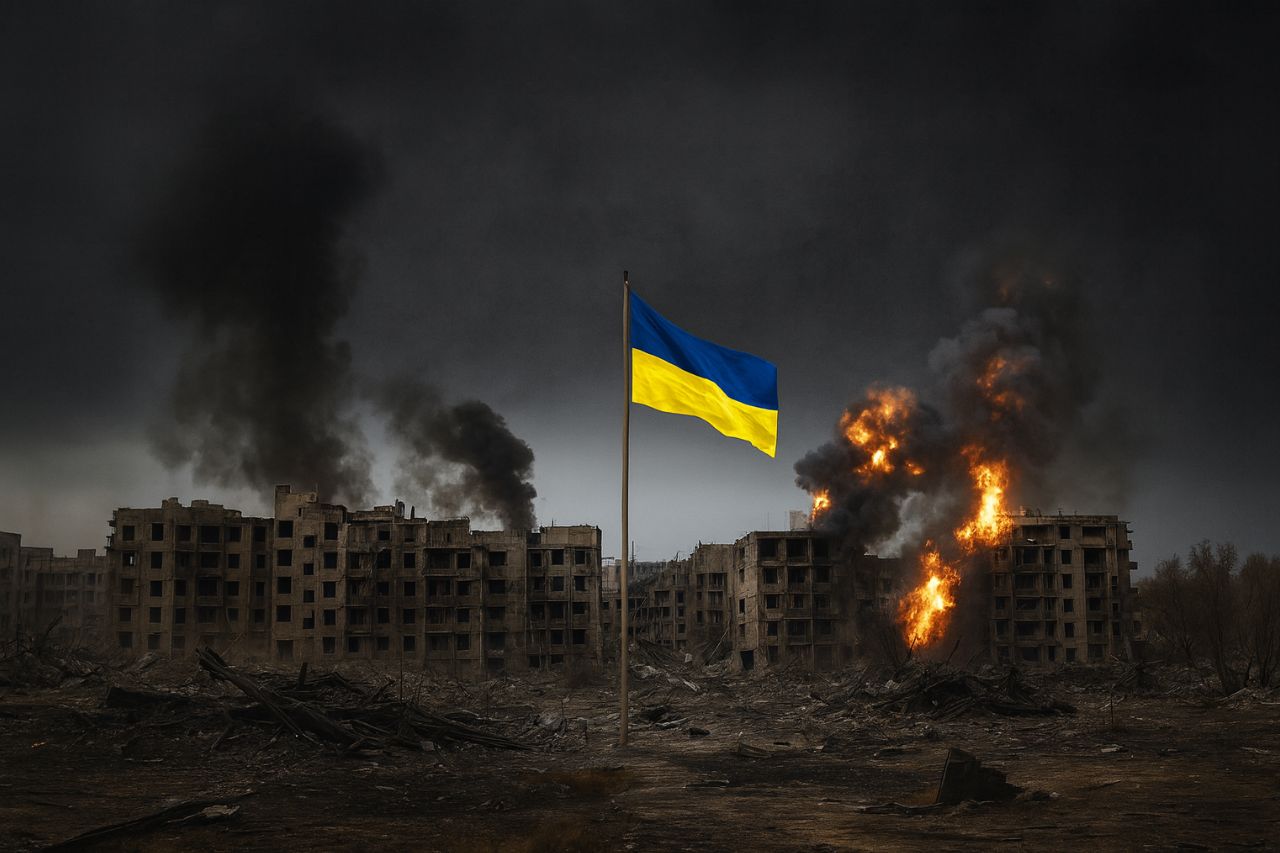
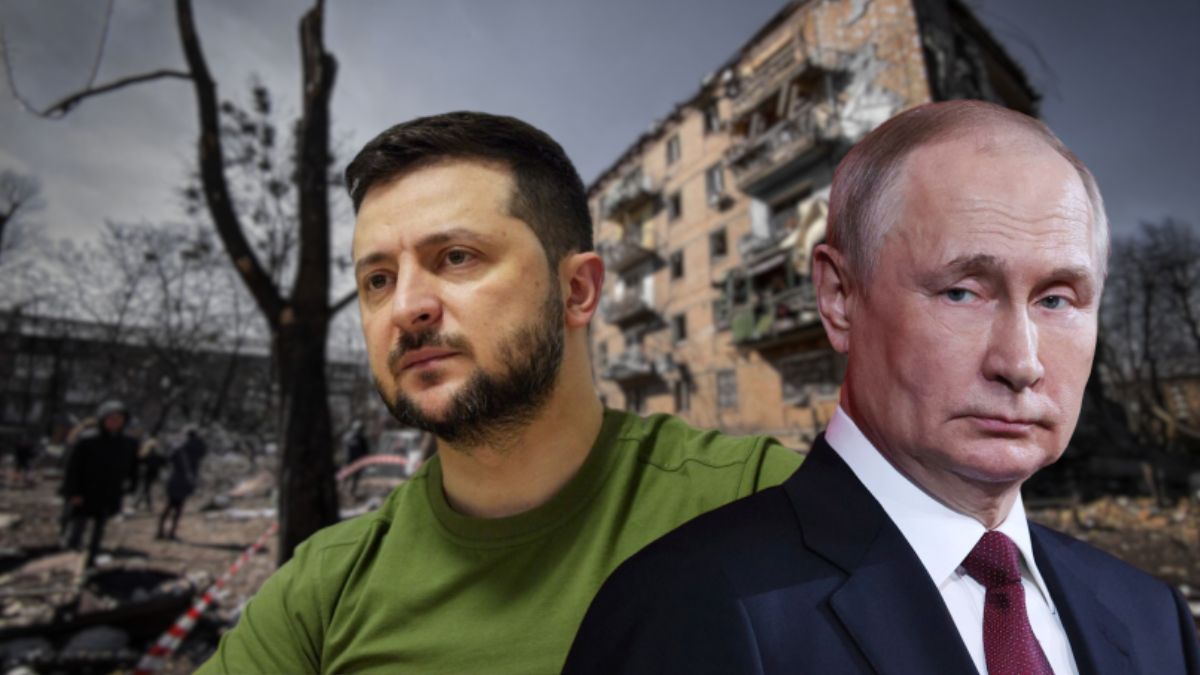
Tensions over the Ukraine peace plan continue to rise as Washington signals progress while Moscow insists on sweeping changes, leaving the outcome uncertain. Image courtesy: AI generated picture via DALL-E

A potential breakthrough in the Ukraine war may be within reach, according to the United States, even as Moscow insists that major revisions are needed before any agreement can move forward.
The mixed signals have cast uncertainty over what could be the first real attempt in months to halt Europe’s deadliest conflict since World War II.
What did the US envoy say about the Ukraine peace deal?
At the Reagan National Defense Forum in California, US Special Envoy for Ukraine Keith Kellogg, who is set to step down in January, said negotiations were “in the last 10 metres,” with only two major issues blocking a deal.
These sticking points include the future status of the Donbas region and the Russian-controlled Zaporizhzhia nuclear power plant, Europe’s largest.
“If we get those two issues settled, I think the rest will work out fairly well,” Kellogg said, stressing that both sides were “really, really close” to ending a war that has caused unprecedented casualties and reshaped global geopolitics.
Kellogg, a retired lieutenant general, noted that Russia and Ukraine together have suffered more than 2 million dead and wounded since Russia’s full-scale invasion began in February 2022.
How is the present Ukraine war colliding with the peace plan?
But optimism from Washington collided almost immediately with resistance from Moscow.
Following four hours of talks in the Kremlin last week with Trump’s special envoy Steve Witkoff and Trump’s son-in-law Jared Kushner, President Vladimir Putin’s top adviser Yuri Ushakov said the peace framework presented by the US required “serious, radical changes.”
Ushakov did not specify what revisions the Kremlin demanded but said “territorial problems” dominated the discussions, a reference to Russia’s claim over the entire Donbas.
Russia currently controls 19.2% of Ukraine, including Crimea, all of Luhansk, most of Donetsk, and large sections of Kherson and Zaporizhzhia.
Ukraine still holds around 5,000 sq km of Donbas territory, and President Volodymyr Zelenskyy has repeatedly warned that surrendering the rest of Donetsk without a national referendum would be unconstitutional and strategically disastrous, allowing Russia to push deeper into Ukrainian territory in the future.
Why is the Russia-Ukraine battlefield largely static but brutal?
The battlefield situation remains largely static but brutal. Russian forces continue attempting incremental advances in eastern Ukraine, while Kyiv struggles with shortages of ammunition and manpower.
Ukraine’s defensive lines around Avdiivka and Kupiansk are under sustained pressure, and Russian strikes on energy infrastructure have surged as winter sets in. Meanwhile, Ukrainian drones continue to target Russian logistics hubs in occupied areas and across the border.
How has the peace plan sparked an alarm?
Complicating matters further, a leaked set of 28 US draft peace proposals circulated last month, sparking alarm in Kyiv and several European capitals.
Critics say the drafts concede too much to Moscow, including accepting Russian control of roughly one-fifth of Ukraine and limiting Ukraine’s long-term military capabilities.
Still, Zelenskyy said he held a “substantive” call with Witkoff and Kushner over the weekend, even as the Kremlin signalled that Kushner is expected to take the lead in drafting any final agreement.
For now, the prospect of peace remains tantalisingly close, but still hostage to the unresolved fault lines that ignited the war nearly three years ago.