US-Iran Nuclear Deal Possible If Sanctions Lifted? Tehran Signals Major Opening, Says ‘Ball In America’s Court’
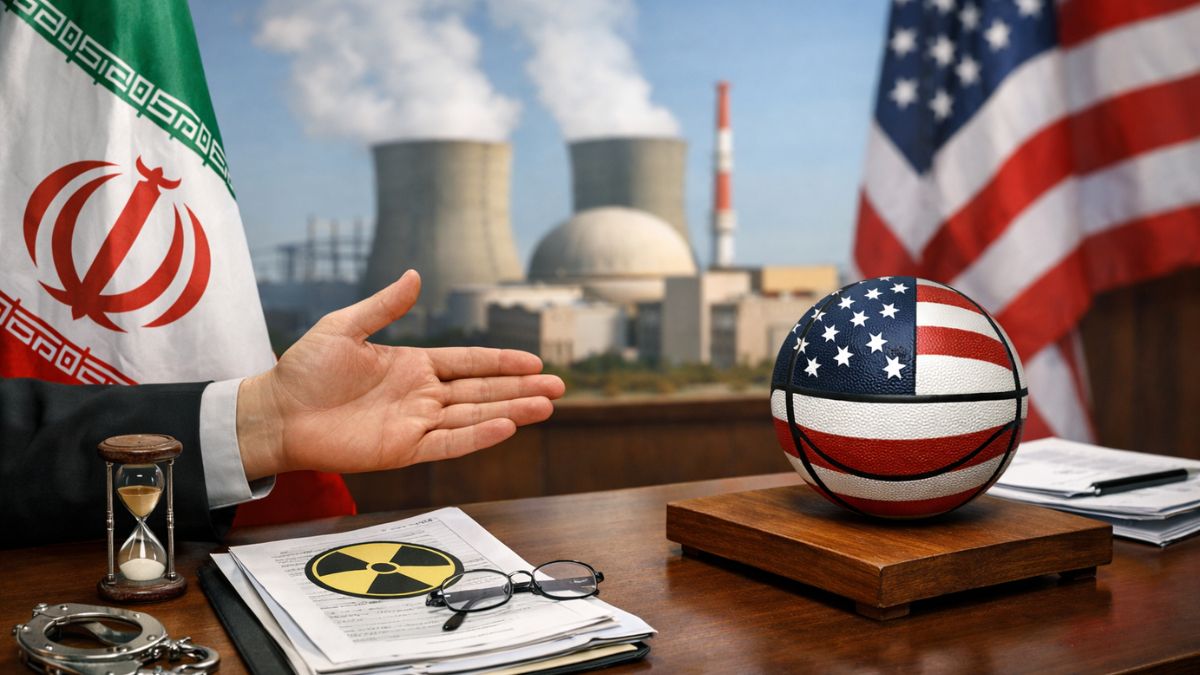
US President Trump has threatened strikes against Iran if a deal to curb its nuclear programme cannot be reached. Image courtesy: AI-generated picture via Sora

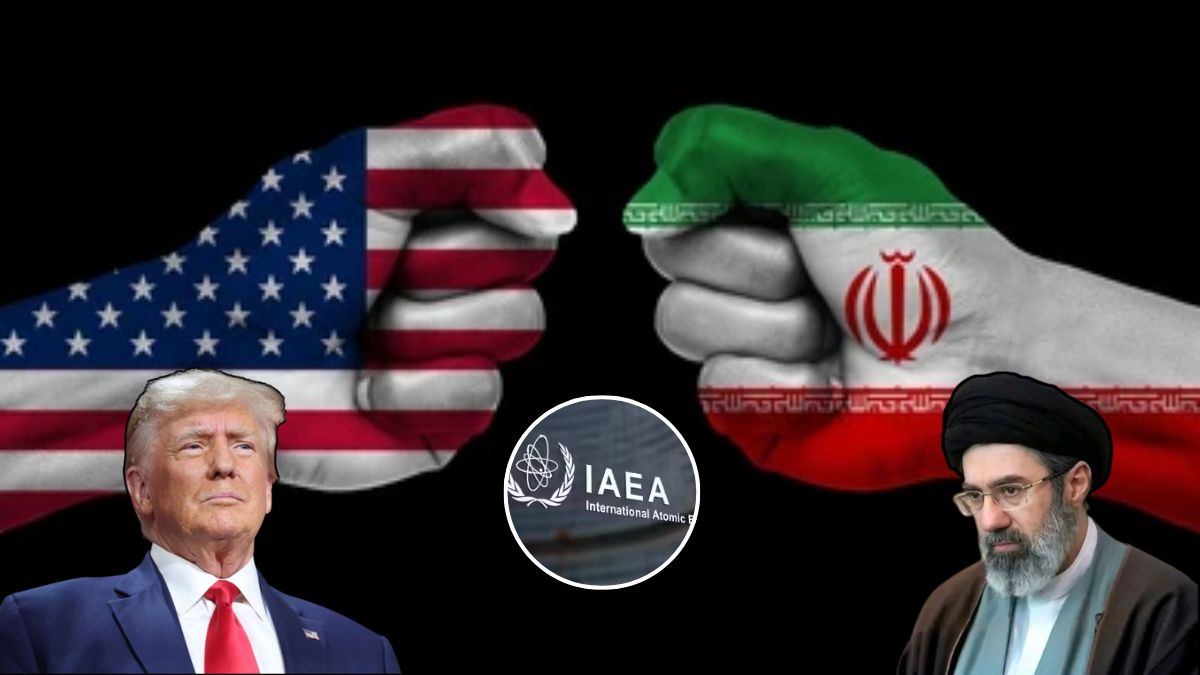
Iran has shown signs that it might be ready to sign the nuclear deal with the United States but has laid out some conditions before it agrees to do so. Tehran’s latest signal comes after US Secretary of State Marco Rubio on Saturday (February 14, 2026) stated that while President Donald Trump preferred a deal but it was “very hard to do” one with Iran.
In a significant diplomatic signal after months of escalating rhetoric and military brinkmanship, Iran has indicated it is ready to consider compromises on its nuclear programme, if Washington is willing to negotiate relief from crippling sanctions. Iran’s Deputy Foreign Minister Majid Takht-Ravanchi signalled this recently.
Speaking in Tehran, Takht-Ravanchi said Iran was prepared to discuss limits on its uranium enrichment, including its stockpile of near weapons-grade material, describing recent indirect talks with the United States as moving in a “positive direction”. The remarks mark one of Tehran’s clearest public signals in months that it is willing to revive diplomacy.
US-Iran nuclear deal: Why is this signal so significant now?
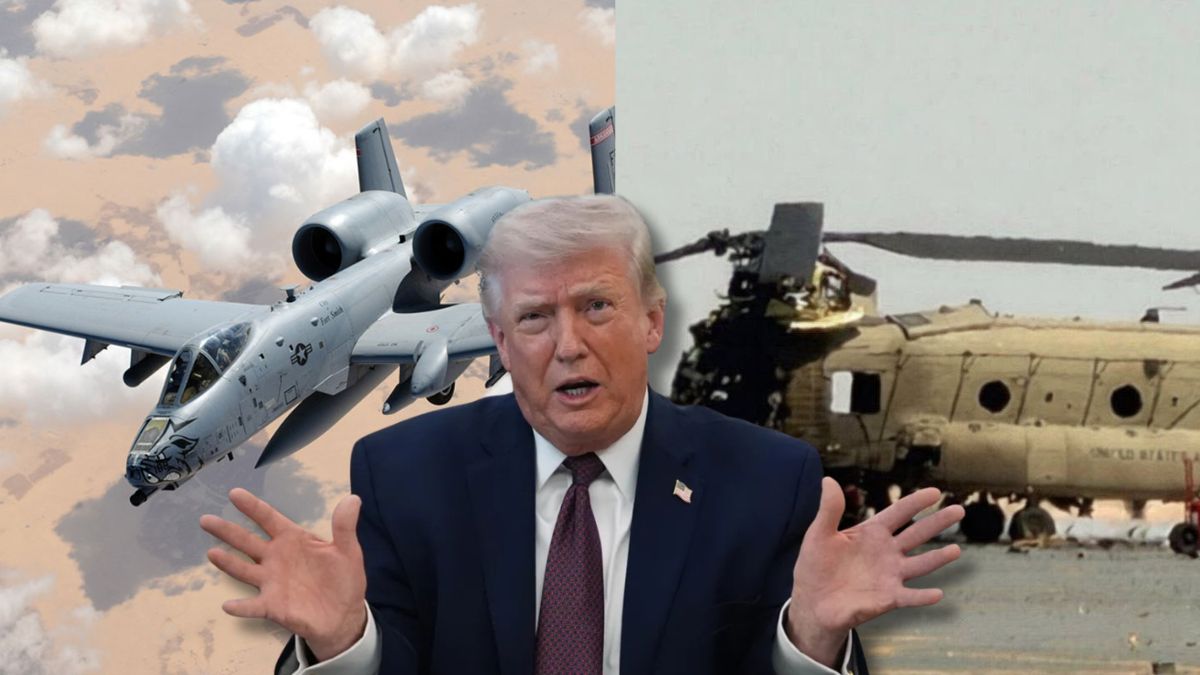
The diplomatic overture comes against a volatile backdrop. US President Trump has repeatedly threatened military strikes if a deal cannot be reached to curb Iran’s nuclear activities. The US has also expanded its military presence across the Gulf, with more than 40,000 American troops now stationed in the region.
At the same time, Iran has faced intense internal turmoil following violent crackdowns on anti-government protests last month, an unrest that drew sharp criticism from US officials, including Secretary of State Rubio, who has linked Iran’s domestic conduct to the broader diplomatic equation.
What is Iran offering on nuclear deal with Trump?
Takht-Ravanchi, in an interview with the BBC in Tehran, pointed to Iran’s readiness to dilute its stockpile of 60%-enriched uranium, material that is technically just below weapons-grade, as evidence of flexibility. Iran currently possesses more than 400kg of highly enriched uranium, a level that has fuelled Western suspicion that the Islamic Republic is edging closer to weapons capability.
Tehran has, however, denied seeking a nuclear bomb. The deputy minister stated that they “are ready to discuss this and other issues related to our programme if they are ready to talk about sanctions”, while declining to specify whether Iran expects full or partial sanctions relief.
He also left open the possibility, though cautiously, of shipping enriched uranium abroad, as Iran did under the 2015 nuclear deal. Russia has reportedly offered to again accept Iranian material, echoing arrangements made before the US withdrew from the accord in 2018.
Is the ‘Zero enrichment’ demand off the table?
One of the most contentious issues has been Washington’s past insistence that Iran cease all uranium enrichment, a demand Tehran considers a violation of its rights under the Nuclear Non-Proliferation Treaty (NPT). In a potentially pivotal statement, Takht-Ravanchi suggested that the “issue of zero enrichment is not an issue anymore” in the current negotiating framework.
That would represent a major narrowing of differences, though President Trump as recently as Friday reiterated that “we don’t want any enrichment”.
What happened in the recent talks?
The US and Iran held indirect negotiations earlier this month in Oman, mediated by Omani Foreign Minister Sayyid Badr bin Hamad Al-Busaidi. A second round is scheduled in Geneva. Both sides have described the talks as constructive but preliminary. Trump himself characterised them as “positive”, while Rubio acknowledged that a deal remains “very hard to do”.
Tehran has insisted that negotiations focus strictly on the nuclear file, excluding its ballistic missile programme and regional alliances, both key concerns for Israel and US policymakers. “When we were attacked by Israelis and Americans, our missiles came to our rescue,” Takht-Ravanchi said, rejecting any discussion of limiting Iran’s defensive capabilities.
How close is the region to another war?
The diplomatic manoeuvring unfolds amid heightened military tension.
Iran has warned that US bases in the region would be considered legitimate targets in the event of hostilities. In past confrontations, including retaliatory strikes following US attacks on Iranian nuclear facilities last year, Tehran avoided causing American casualties. But Iranian officials now warn that any new conflict could spiral.
“If we feel this is an existential threat, we will respond accordingly,” Takht-Ravanchi said, cautioning that war would leave “the whole region in a mess”.
Regional powers, including Qatar and Oman, have been actively shuttling messages between Washington and Tehran in a bid to prevent escalation. According to Iranian officials, there is “almost unanimous agreement in the region against war”.
What about Israel’s role?
Iran has repeatedly accused Israel of attempting to sabotage diplomatic progress. Tehran remains wary after Israel’s surprise attack last June, an operation that triggered a brief but intense 12-day conflict just days before a scheduled round of US-Iran talks. That episode deepened Iranian mistrust of the process.
Meanwhile, on the nuclear deal, US officials argue Iran has slowed progress, while Iranian leaders complain that understandings reached in one round of talks are later revised. The highly technical nature of nuclear negotiations, involving enrichment levels, centrifuge numbers and inspection regimes, adds further complexity.
Yet the tone from Tehran suggests cautious optimism. “We will do our best but the other side also has to prove that they are sincere,” Takht-Ravanchi said, adding that the “ball is in America’s court”.