US-Iran Peace Talks In Pakistan? Nothing Is Official Until Announced By White House, Says Press Secretary
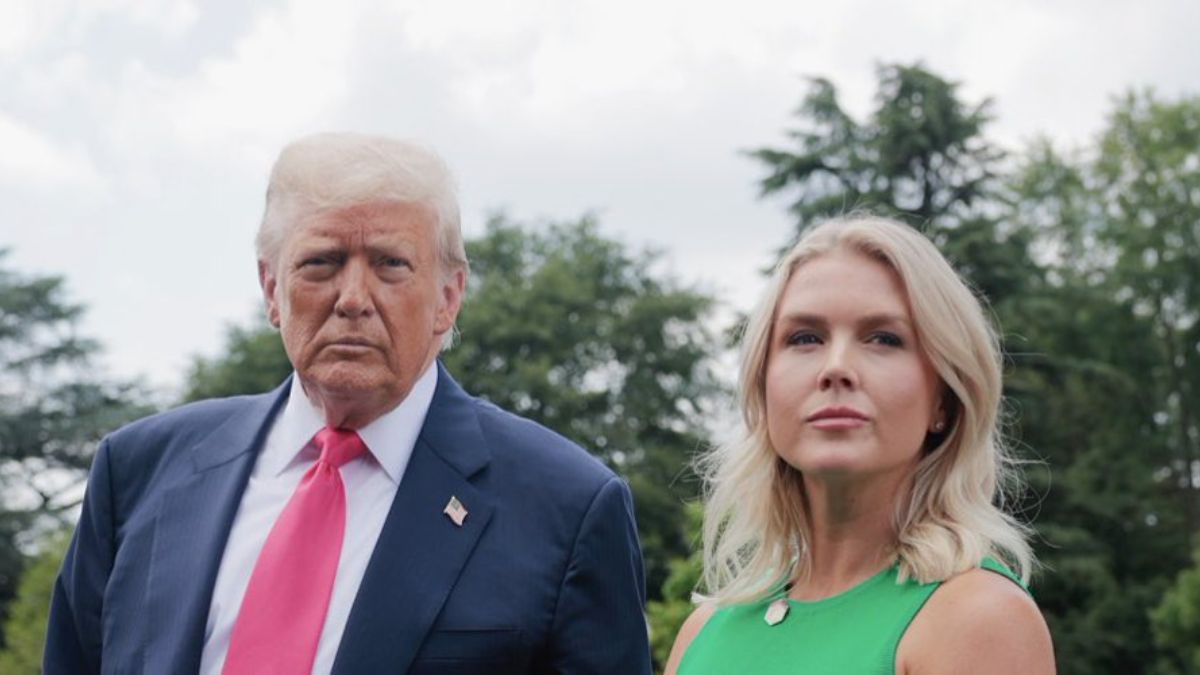
US White House Press Secretary Karoline Leavitt on Thursday said that the reports of possible peace talks with Iran to be held in Pakistan are 'speculation'. Image courtesy: X.com/@PressSec

The United States has dismissed reports of imminent peace talks with Iran as mere “speculation,” even as the conflict that erupted last month continues to reshape regional dynamics and global security calculations. The White House response comes amid conflicting signals, and a cryptic remark by President Donald Trump about a “very big present” from Iran.
Addressing media reports that Washington and Tehran could hold peace talks in Pakistan, White House Press Secretary Karoline Leavitt made it clear that no such process has been formally initiated. “I’ve seen that speculation. Nothing is official until it is announced by this White House. We aren’t going to get ahead of ourselves,” she said.
The ambiguity over talks comes against the backdrop of a rapidly evolving conflict that began last month, involving US-linked military operations and escalating tensions with Iran across West Asia. While backchannel diplomacy appears to be under discussion, the US has simultaneously reinforced its military posture in the region.
Iran’s reported preference: JD Vance over traditional channels
Adding another layer to the diplomatic puzzle, reports suggest that Iranian representatives have indicated a preference to engage with US Vice President JD Vance, rather than traditional intermediaries like special envoy Steve Witkoff or Jared Kushner. However, the White House pushed back against narratives suggesting any shift in roles.
Leavitt emphasised that Vance has always been central to US decision-making, calling him a “key member of the national security team” and dismissing claims of a new or expanded role as inaccurate.
Trump’s ‘very big present’ remark raises eyebrows
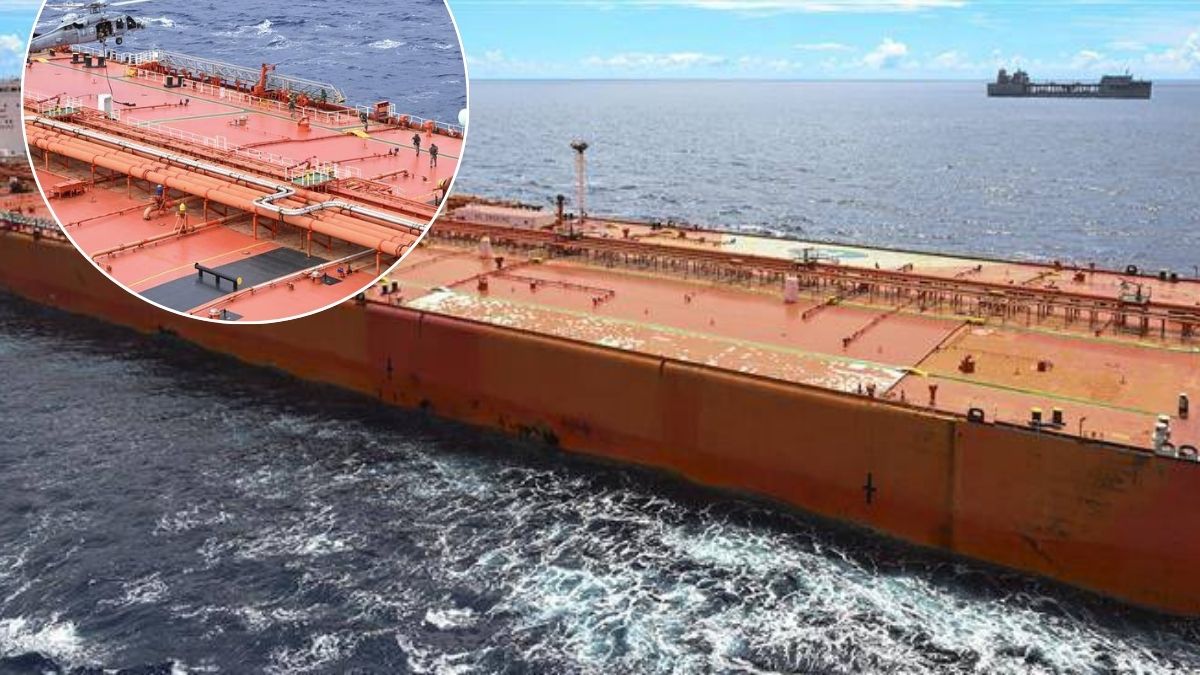
Fueling speculation further, President Trump recently referred to a “very big present” from Iran. When asked whether the remark referred to an oil tanker carrying nearly two million barrels of crude that successfully passed through the Strait of Hormuz, Leavitt declined to elaborate.
“I will let the President speak on that at the appropriate time,” she said, leaving room for interpretation amid heightened tensions around critical energy routes.
Even as some US leaders suggest the conflict may be “wrapping up,” the Pentagon has moved to deploy approximately 2,500 troops from the 82nd Airborne Division to the Middle East. The deployment includes key command and logistical units, underscoring that Washington is maintaining, and potentially expanding, its operational readiness.
Leavitt reiterated that the US is “meeting its goals expeditiously,” while stressing that the President continues to keep all options open.
The White House also refrained from commenting on reports that Iraq may protest an attack on a military facility that killed several soldiers, stating that details would need to be confirmed by the Pentagon.