


Why BNP Victory Could Redefine India-Bangladesh Ties Amid Security Concerns
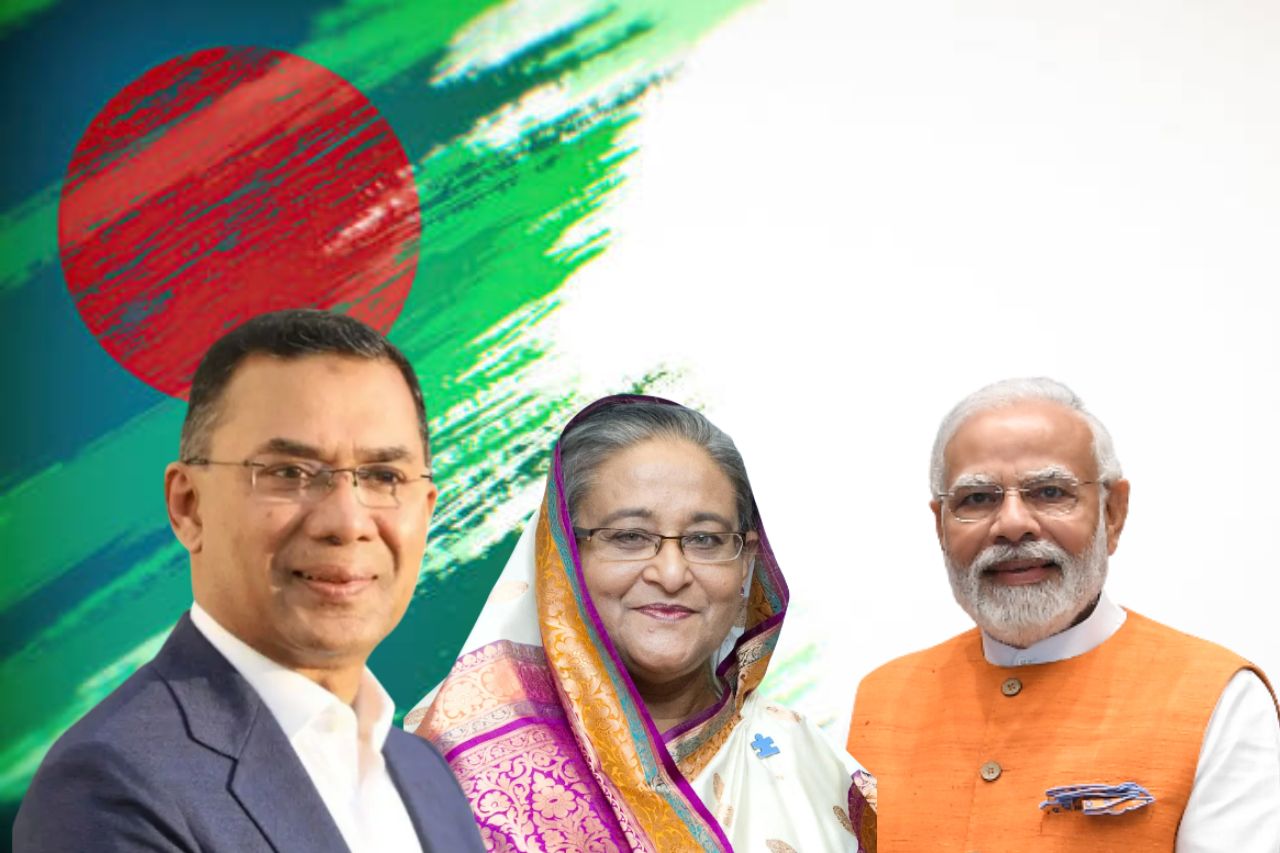
As Bangladesh heads into a pivotal election, the potential rise of the BNP and the legacy of Sheikh Hasina’s tenure place India-Bangladesh ties at a crossroads, with security and strategic recalibration high on New Delhi’s agenda. Image courtesy: RNA

Bangladesh, on Thursday (February 12, 2026), headed into a high-stakes parliamentary election that could significantly reshape India-Bangladesh relations, with far-reaching consequences for regional security and strategic interests.
With Sheikh Hasina’s Awami League banned from contesting the elections following her July 2024 political ouster and self-imposed exile, India is cautiously positioning itself for a possible reset in ties with Bangladesh.
New Delhi is banking on a majority for the opposition Bangladesh Nationalist Party (BNP), which has enjoyed a love-hate relations for decades with India.
Ironically, despite the BNP’s historically strained relationship with India, New Delhi now views the party as the most viable option for political stability and legitimacy in Dhaka.
The 2024 July Uprising that deposed Hasina caught India off guard, forcing a rapid recalibration of its Bangladesh policy.
Since then, India has intensified diplomatic outreach to the BNP, recognising that engagement with the party led by Tarique Rahman offers the best path forward.
Prime Minister Narendra Modi had offered medical assistance to former Prime Minister Khaleda Zia before her demise. Modi also sent a personal letter delivered to her son and political heir Tarique Rahman through External Affairs Minister S. Jaishankar.
These Indian gestures signalled India’s effort to build bridges with BNP.
However, BNP’s political rival Sheikh Hasina’s continued presence in India remains a sensitive factor in bilateral calculations.
The election is expected to witness a tight bipolar contest between the BNP-led alliance and an 11-party bloc spearheaded by Jamaat-e-Islami, a party long viewed in New Delhi as hostile to Indian interests.
The coalition also includes the National Citizen Party (NCP), formed by student leaders who played a key role in the protests that toppled Hasina.
A strong showing by Jamaat, projected to win between 50 and 100 seats, could heighten Indian concerns about Islamist influence in Bangladesh’s future political trajectory.
Alongside the general election, Bangladesh will hold a referendum on the proposed “July Charter,” a constitutional reform package that includes a two-term limit for the Prime Minister, the creation of an upper house, and an emphasis on Bangladeshi, rather than Bengali, identity.
While framed domestically as a safeguard against authoritarianism, the identity shift could dilute the deep cultural and linguistic bonds that underpin India-Bangladesh relations.
The change in Bengali identity is also an effort to distance Bangladesh from the raison d’etre over which its independence from Pakistan took place.
For India, security will top the agenda with any incoming government.
Preventing Indian insurgent groups from using Bangladeshi territory to launch operations in the Northeast remains a red line.
The BNP-Jamaat coalition that governed two decades ago faced accusations of allowing safe havens to anti-India insurgents.
Robust intelligence-sharing and security cooperation will be critical confidence-building measures.
Equally concerning for New Delhi is Dhaka’s evolving relationship with Pakistan.
The interim government has significantly improved ties with Islamabad, including stepped-up defence engagement and reported visits by Pakistan’s ISI officials.
Any revival of a Pakistan pivot under a BNP-led administration would raise alarm bells in India.
China’s expanding footprint in Bangladesh’s defence sector is another strategic variable.
A recent agreement to manufacture drones near Indian territory has sharpened India’s focus on Chinese ingress into Dhaka’s military infrastructure.
As Bangladesh increasingly emerges as a geopolitical “swing state” courted by both the United States and China, India is keen to maintain its influence.
The protection of Bangladesh’s 13-million-strong Hindu minority will also be closely watched.
Prime Minister Modi has repeatedly raised concerns about minority safety, signalling that the issue will remain central to bilateral engagement.