

INS Tarangini Docks At Sri Lanka’s Trincomalee As Part Of Navy’s Endeavour To Build ‘Bridges Of Friendship’
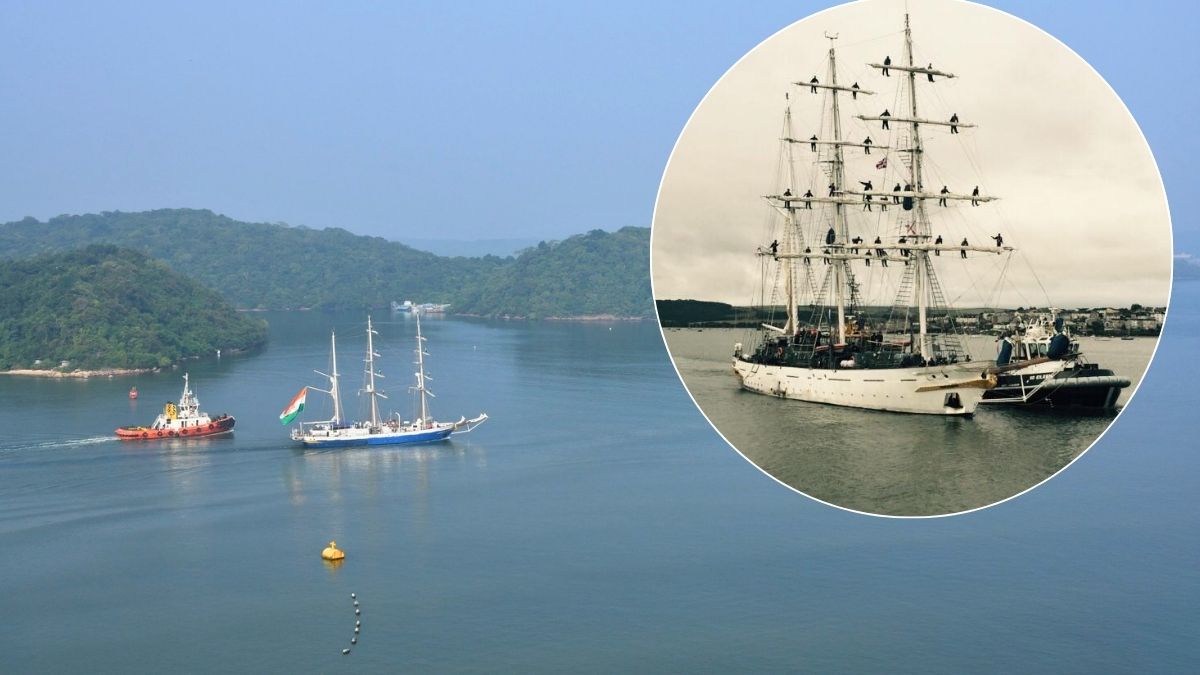
The visit underscores longstanding maritime ties and growing cooperation between Indian and Sri Lanka Navy. Image courtesy: RNA

In continuation of Indian Navy’s endeavour to build ‘Bridges of Friendship’, Sail Training Ship INS Tarangini arrived at Trincomalee Harbour, Sri Lanka, on Friday (February 27, 2026), for a training visit that underscores growing naval cooperation between the two neighbours. The move also marks Navy’s continued push to strengthen maritime partnerships in the Indian Ocean Region (IOR).
INS Tarangini’s Sri Lanka port call comes close on the heels of the ship’s participation in the International Fleet Review (IFR) 2026 at Visakhapatnam last month. IFR 2026 was a major multinational naval gathering, reinforcing India’s expanding maritime engagement footprint.
INS Tarangini receives a ceremonial welcome
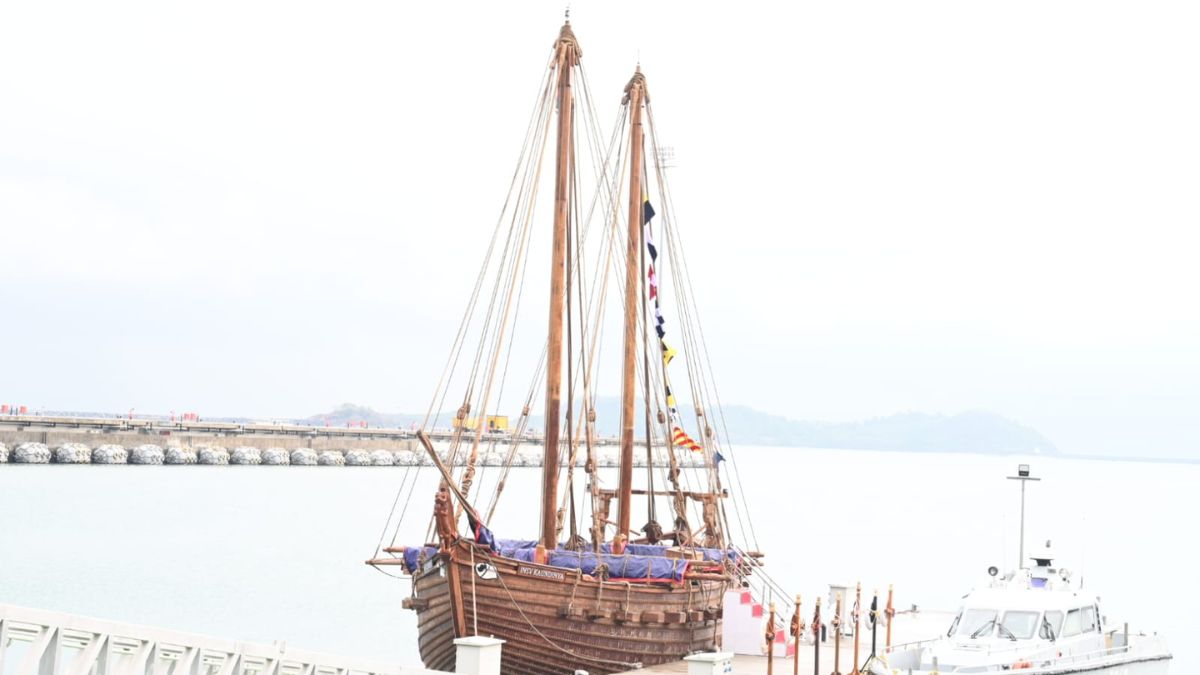
INS Tarangini was accorded a warm reception by representatives of the Eastern Naval Area of the Sri Lanka Navy upon arrival at Trincomalee, one of the region’s most strategically located natural deep-water harbours. Being a three masted barque, the ship is the first of the Sail Training Ships (STS) of the Indian Navy.
The ship is part of the First Training Squadron based at Kochi and her primary role is to impart sail training to officer trainees of the Indian Navy and Indian Coast Guard. It’s complement constitutes of 7 officers and 30 sailors and can accommodate upto 30 cadets at a time.
INS Tarangini’s Sri Lanka visit signals sustained naval outreach between India and Sri Lanka at a time when the Indian Ocean remains central to regional security, trade flows and maritime stability.
INS Tarangini Sri Lanka port call: What is the focus of the visit?
The primary emphasis of the port call is sail training cooperation and professional exchange. Commanding Officer of Tarangini called on Commodore Haritha Jayadewathe, Deputy Commander of the Eastern Naval Area, where discussions focused on expanding collaboration in sail training.
During the stay, the ship opened its decks to Sri Lankan defence personnel, families and trainee officers for familiarisation visits, offering insight into seamanship traditions, navigation techniques and life at sea aboard a tall ship.
Community outreach activities and structured training interactions are also scheduled as part of the engagement.
Sri Lankan trainees to sail with INS Tarangini
In a key highlight of the visit, 3 officers and 25 trainee officers from Sri Lanka Navy will embark onboard INS Tarangini for a sea passage to Colombo.
During the voyage, trainees will gain hands-on exposure to sail handling, watch-keeping, celestial navigation and teamwork under sail, foundational skills that build resilience, leadership and maritime discipline. Such cross-embarkation initiatives are considered vital confidence-building measures that foster interoperability and professional camaraderie between navies.
Why sail training still matters in modern navies
Despite rapid technological advancements in naval warfare, sail training remains an integral part of officer grooming in several leading navies worldwide. The Indian Navy is one amongst the few navies in the world that operates Sail Training Ships in this modern era of engines and gas turbines.
INS Tarangini was designed by world famous yacht designer Colin Mudie and indigenously built at the Goa Shipyard Limited with a resilient steel hull, adorned with aluminium deckhouse and opulent teak wood. Her length overall is about 54 m and she displaces about 500 tons, carrying 20 sails with a total sail area of over 10,000 square feet and 200 ropes which measure over 20 km in length when laid out.
Operating a sail training vessel demands coordinated teamwork, situational awareness, and adaptability, qualities essential in modern maritime operations.
Meanwhile, the name ‘Tarangini’ is derived from the Hindi word ‘Tarang’ meaning waves, thus Tarangini means ‘the one that rides the waves’. The ship holds the unique distinction of being the first Indian Naval Ship to have circumnavigated the globe, a feat achieved in 2004, during which Tarangini covered 35,000 nm calling on 37 ports in 18 countries.