Force Never Seen Before: Trump Warns Tehran As Iran Fires Back Across Gulf After US-Israel Strikes Kill Khamenei
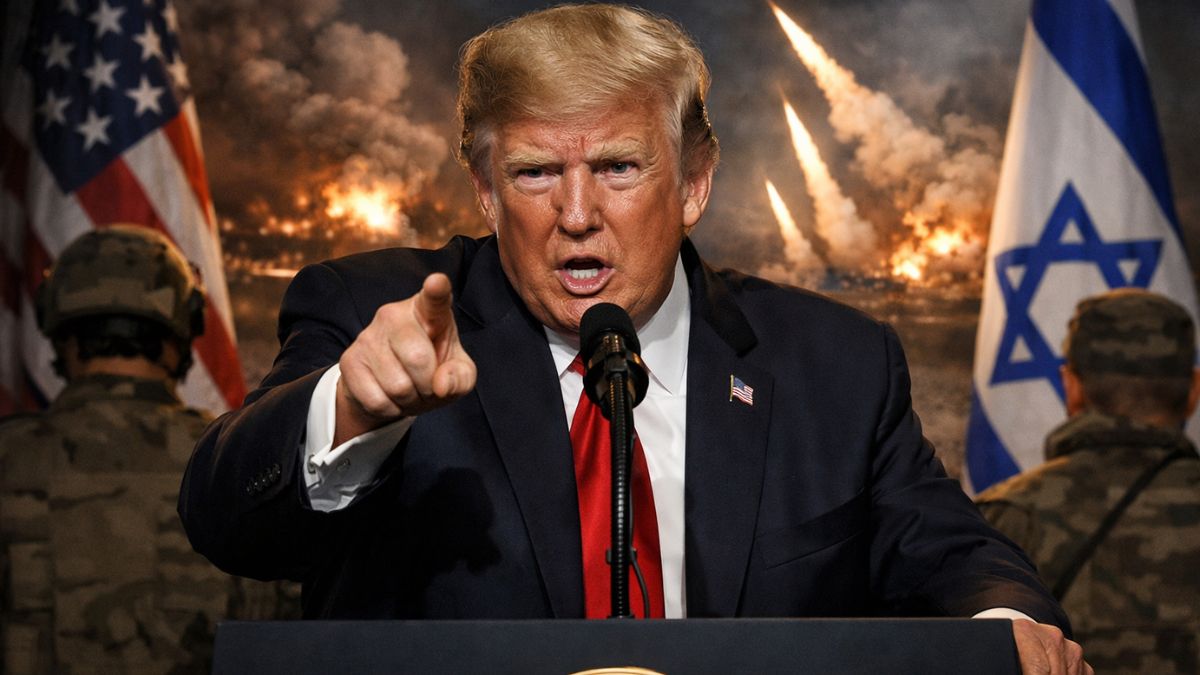
The United States will hit Iran "with a force that has never been seen before," Trump has warned on Sunday. Image courtesy: AI-generated picture via Sora

The United States and Israel have plunged the Middle East into one of its most volatile moments in decades, launching sweeping strikes that killed Iran’s Supreme Leader Ayatollah Ali Khamenei, and triggering an escalating cycle of retaliation that now stretches Gulf nations, including Qatar, UAE, Bahrain.
At the center of the crisis is a stark warning from US President Donald Trump to Iran as it intensifies its response, retaliating to the US-Israel strikes. Trump has said that Washington will strike back with “a force that has never been seen before.”
Trump’s stark warning to Iran: ‘Better not do that’
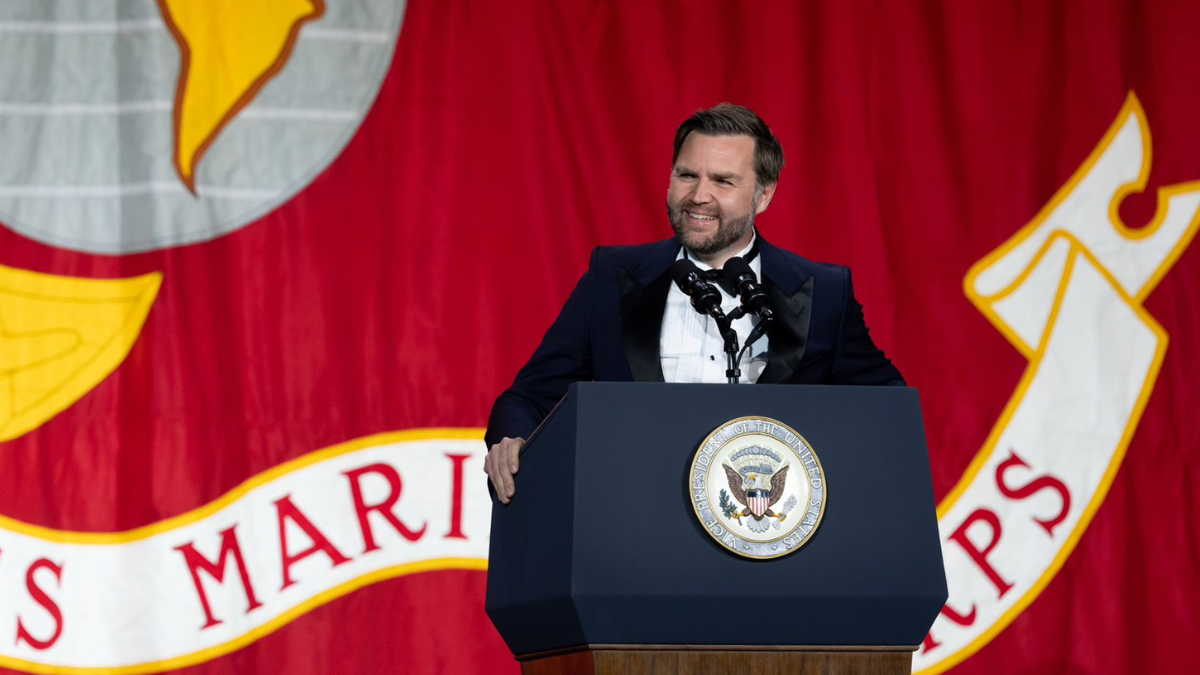
In a series of posts on Truth Social and public remarks on Sunday (March 1, 2026), Trump doubled down on the military campaign that began overnight Saturday. “Iran just stated that they are going to hit very hard today, harder than they have ever hit before,” Trump wrote.
“THEY BETTER NOT DO THAT… BECAUSE IF THEY DO, WE WILL HIT THEM WITH A FORCE THAT HAS NEVER BEEN SEEN BEFORE!”
Earlier, Trump told CNBC that US military operations were “ahead of schedule” and vowed to “avenge” the deaths of three US service members killed in Iranian retaliation.
Framing the strikes as both pre-emptive and punitive, Trump said the campaign was meant to eliminate a decades-long nuclear threat and deliver justice for Americans harmed by Iran-backed actions over the years. “This is not only Justice for the people of Iran, but for all Great Americans… that have been killed or mutilated by Khamenei and his gang,” he wrote.
How did the conflict escalate so dramatically?
Even as the US and Iran were engaged in nuclear talks, the United States and Israeli forces carried out coordinated strikes targeting Iranian leadership compounds and military infrastructure. They described them as “preemptive”. Iranian state media confirmed that Khamenei, who had ruled for nearly four decades, was killed in the assault.
The strikes reportedly also killed Armed Forces Chief of Staff Abdolrahim Mousavi and members of Khamenei’s family.
US sources said the operation was timed to coincide with a high-level leadership meeting in Tehran. Israeli officials indicated that military strategy would remain unchanged despite Khamenei’s death, with continued targeting of missile systems and senior officials. The killing marks one of the most consequential events for the Islamic Republic since the 1979 revolution.
Iran’s retaliation: Missiles, drones and regional shockwaves
Tehran responded with waves of missiles and drones targeting US bases and allied installations across the region. Explosions were reported in Tel Aviv as Israel’s air defence systems intercepted incoming projectiles. In the Gulf, witnesses described loud blasts over Dubai and Doha, with missile interception trails visible in the sky and smoke rising near strategic infrastructure.
Major airports, including Dubai International, the world’s busiest for international travel, were temporarily shut. Key infrastructure, including port facilities in Jebel Ali, sustained damage. The Pentagon said there were no US fatalities in the latest wave of strikes.
Iran’s Revolutionary Guard Corps vowed that further retaliation would follow, warning of its “biggest offensive” yet against US and Israeli targets.
Is the Strait of Hormuz at risk?
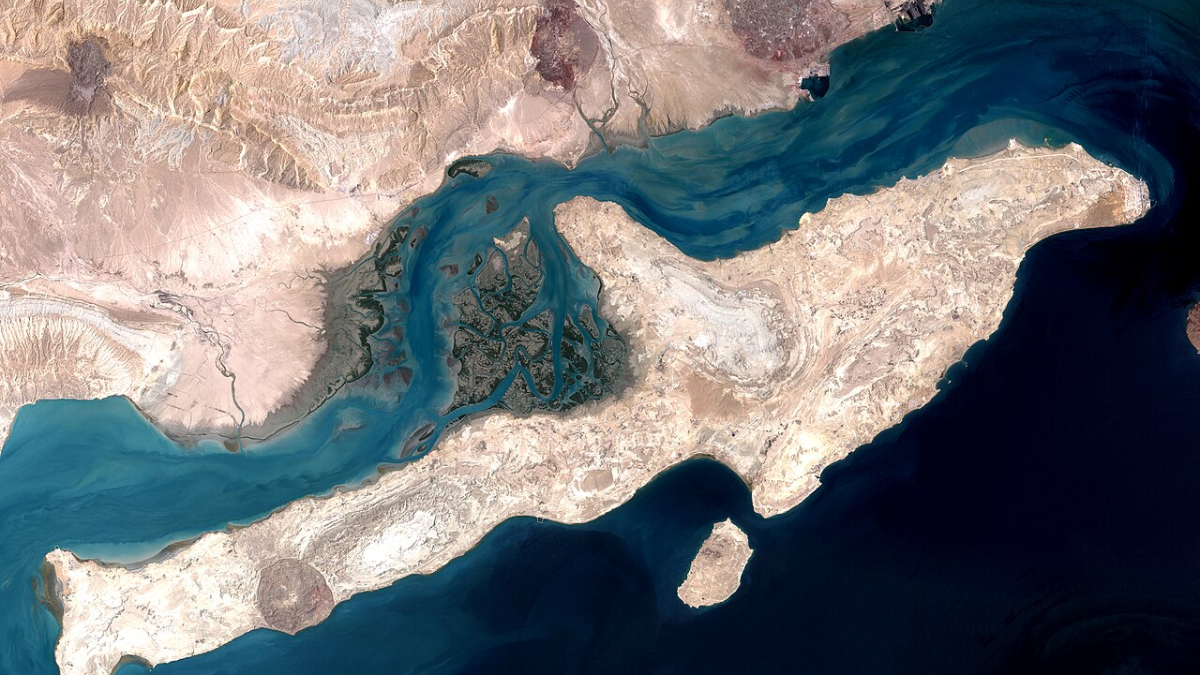
In a move that rattled global markets, Tehran warned it had closed the Strait of Hormuz, the narrow waterway through which roughly one-fifth of the world’s oil supply passes. However, there was no official announcement on this yet.
Energy companies, tanker operators and trading houses began suspending shipments through the corridor, raising fears of a sharp spike in oil prices.
OPEC+ is set to convene emergency discussions amid speculation it may boost output to stabilise markets.
Who is leading Iran now?
With Khamenei dead, senior Iranian official Ali Larijani announced that a temporary leadership council would govern the country. Iran’s parliament speaker Mohammad Baqer Qalibaf accused Washington and Tel Aviv of crossing a “red line,” warning they would “pay for it.”
Even so, analysts caution that while the loss of Khamenei is a profound symbolic and political blow, Iran’s entrenched clerical establishment and the powerful Islamic Revolutionary Guard Corps (IRGC) remain intact.
After a 12-day air war in June 2025 that targeted Iran’s missile and nuclear infrastructure, both the US and Israel had warned they would act again if Tehran continued advancing its nuclear and ballistic programmes. With Iran’s supreme leader dead and missile exchanges spreading across the region, the confrontation has entered uncharted territory.