India’s CCS Meet on Iran Situation, Modi Condemns Attacks on UAE, Talks to West Asia Leaders
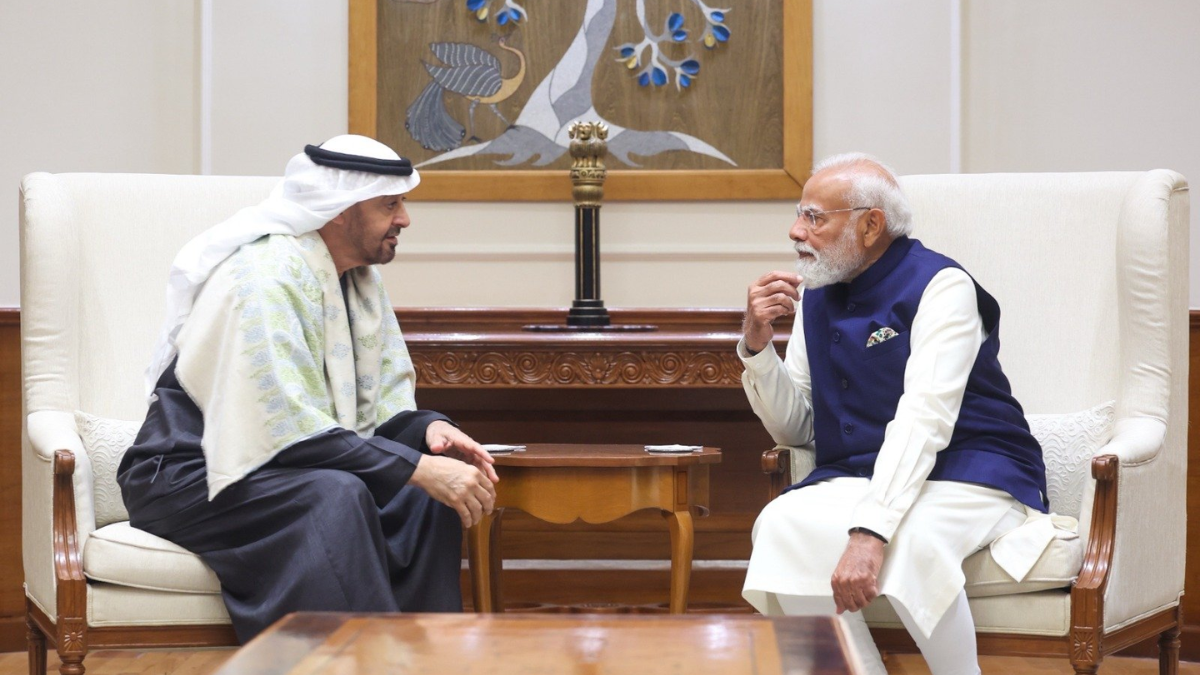
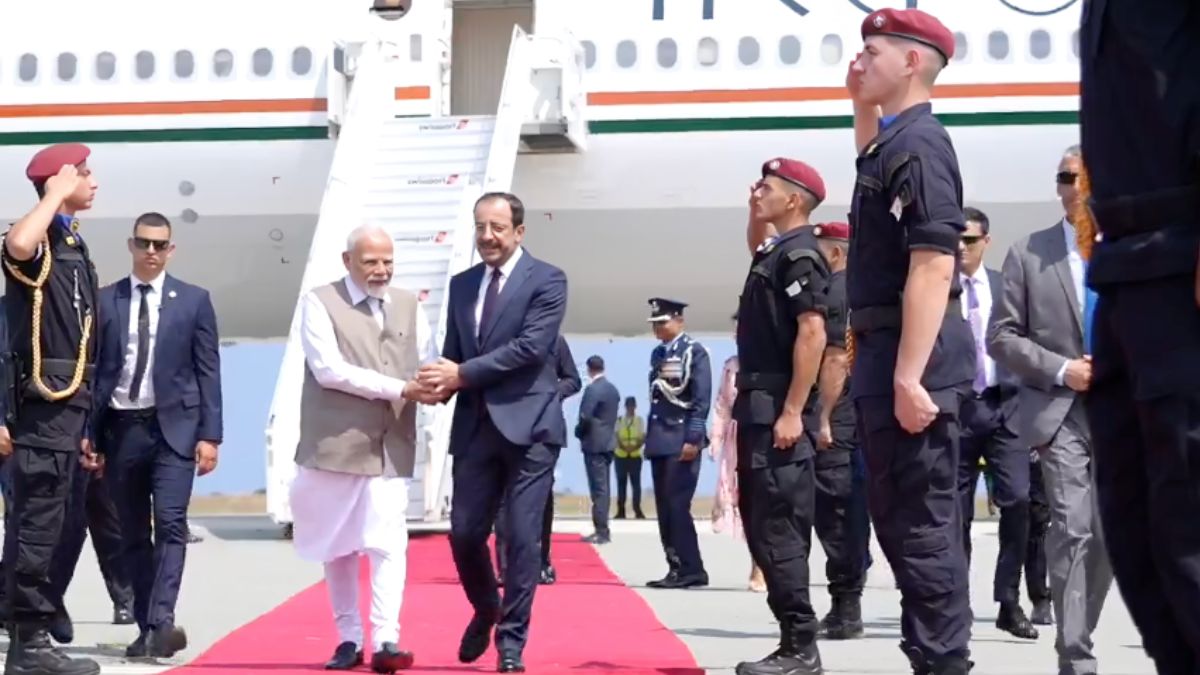
Modi Condemns Attacks on UAE (Image courtesy: X/ @narendramodi)

India’s Prime Minister Narendra Modi on Sunday (March 1, 2026) chaired a Cabinet Committee on Security (CCS) to discuss the emerging security situation due to the US-Israel military operations in Iran that killed that country’s Supreme Leader Ayatollah Ali Khamenei.
The meeting of the highest decision-making body on India’s defence and security took stock of the West Asian crisis, according to government sources with knowledge of the matter. However, the details of the discussion were not shared with the media.
However, the indication of what the CCS talks about was revealed when Modi commented that India strongly condemned the attack on the UAE and supported “de-escalation, regional peace, security, and stability.”
The CCS was convened shortly after Modi arrived in New Delhi after his two-day tour of Rajasthan, Gujarat, Tamil Nadu, and Pondicherry.
India’s Defence Minister Rajnath Singh, Home Minister Amit Shah, External Affairs Minister Dr. S. Jaishankar, and Finance Minister Nirmala Sitharaman attended the CCS meeting.
Others present included National Security Adviser Ajit Doval, PMO Principal Secretaries P. K. Mishra and Shaktikanta Das, Chief of Defence Staff General Anil Chauhan, Cabinet Secretary T. V. Somanathan, and Foreign Secretary Vikram Misri.
Modi’s comments, though, came in the form of an X post after he spoke to UAE President Sheikh Mohamed bin Zayed Al Nahyan the same day.
“Spoke with the President of the UAE, my brother Sheikh Mohamed bin Zayed Al Nahyan. Strongly condemned (sic) the attacks on the UAE and condoled the loss of lives in these attacks,” Modi said in the post.
“India stands in solidarity with the UAE in these difficult times. Thanked him for taking care of the Indian community living in the UAE. We support de-escalation, regional peace, security, and stability,” he said.
Indians’ migrants account for around 35% of the UAE’s residents and are one of the largest ethnic communities in that country. In the West Asian region, around nine million Indians live and work, and contribute a large part of the remittances that accrue to India’s foreign exchange reserves.
India’s stand on the West Asia conflict is a reflection of its own geopolitical beliefs in sovereignty and territorial integrity. However, India has had complicated ties with the later Iranian Supreme Leader Khamenei, but New Delhi’s primary concern is the domestic minority sentiments and the evolving US ties.
The CCS meeting is believed to have discussed the safety and security of the Indian nationals in West Asia, and also the means to evacuate them from the war-torn region, if necessary.
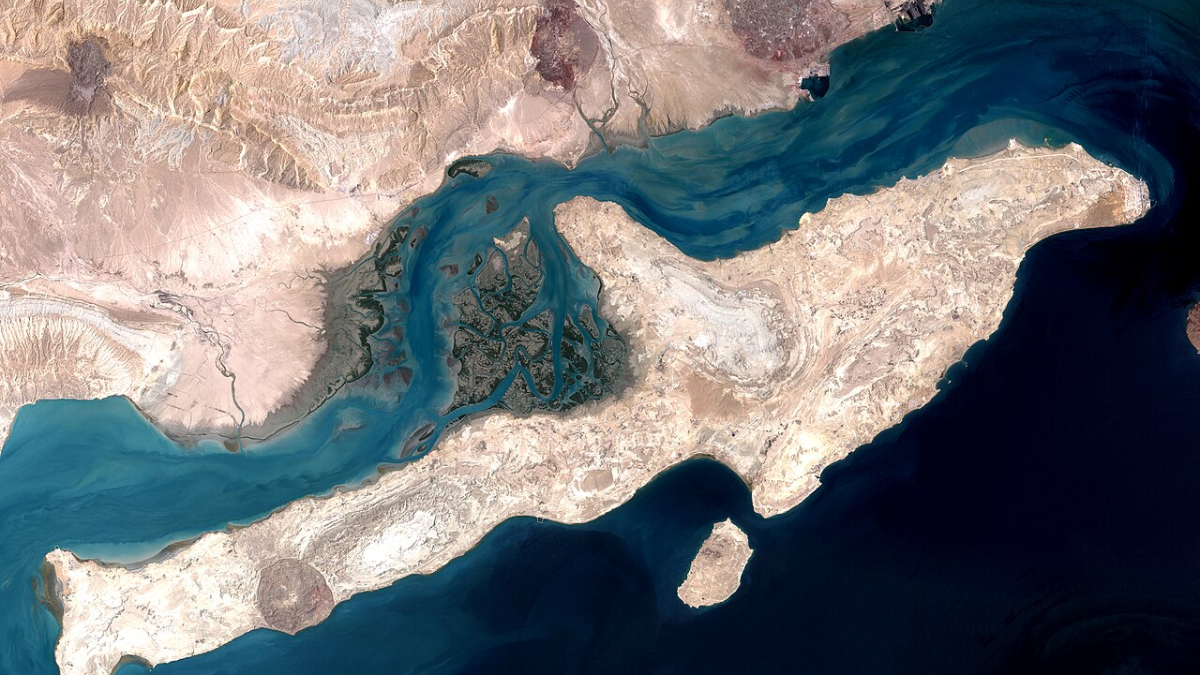
Moreover, the closure of the Hormuz Strait through which India’s crude oil supply flows is also a major talking point at the meeting, it is believed. Flight disruptions and stranded long-distance flyers, too, are issues for consideration.
In recent years, India has successfully evacuated stranded Indians and other nations from war-torn regions, including West Asia and Ukraine.
Meanwhile, the Iranian embassy in New Delhi urged nations worldwide to strongly condemn the US-Israel attack on its territory and the killing of Khamenei, noting that both the attackers would have to face “grave consequences for this unforgivable crime.”
Modi also spoke with Israeli Prime Minister Netanyahu over the phone to discuss the current regional situation. “Conveyed India’s concerns over recent developments and emphasised the safety of civilians as a priority. India reiterates the need for an early cessation of hostilities,” he said in an X post on this conversation with Netanyahu.
On Monday, the Indian Prime Minister spoke to the Saudi Arabian Crown Prince and Prime Minister Mohammed bin Salman. “India condemns the recent attacks on Saudi Arabia in violation of its sovereignty and territorial integrity,” Modi told bin Salman.
“We agreed that the earliest restoration of regional peace and stability is of utmost importance. I thanked him (bin Salman) for looking after the well-being of the Indian community in these difficult times,” Modi said.
The Indian Prime Minister also spoke with Bahrain King Hamad bin Isa Al Khalifa, when he condemned the attacks on that nation.
India “stands in solidarity with its people in this difficult hour. I thank him for the steadfast support extended to the Indian community in Bahrain,” he said.