



Iran Stops 3 Pak Vessels from Transiting Hormuz, Attacks Indian-Crewed Cargo Ship as US Issues Alert
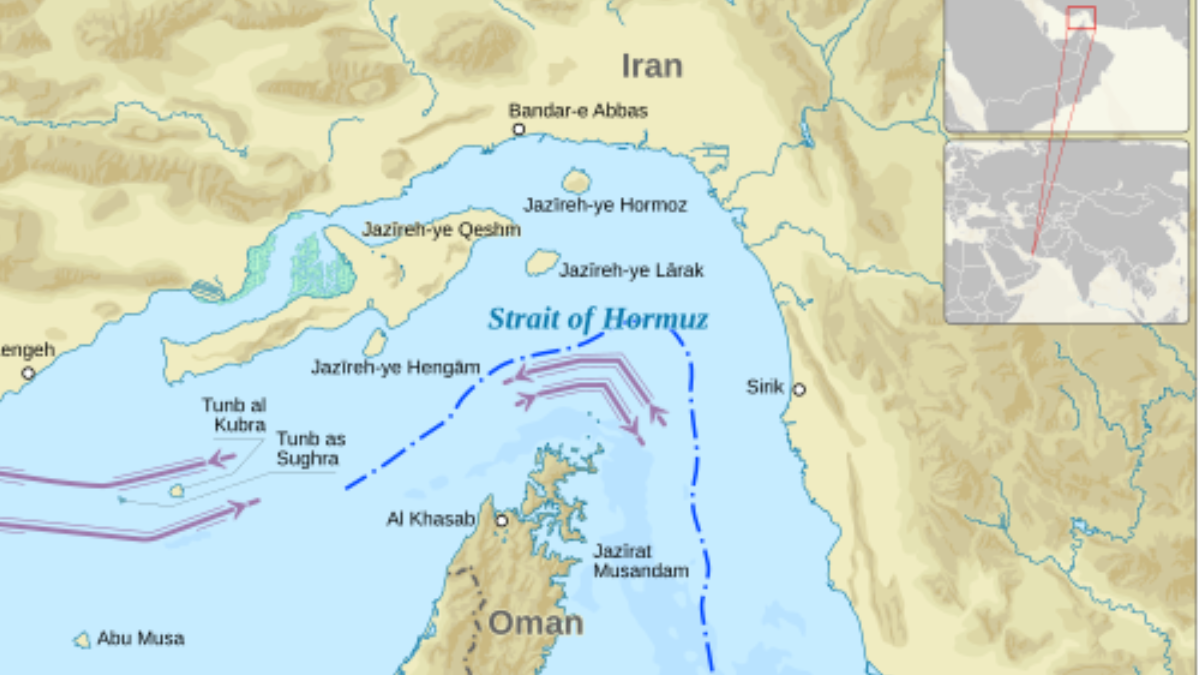
A map showing the Strait of Hormuz and Iran

Iran on Sunday (March 1, 2026) stopped three Pakistani cargo vessels transiting through the Hormuz Strait as the security situation in West Asia worsened following the US-Israel attack inside Iranian territory killing its Supreme Leader Ayatollah Ali Khamenei.
According to Pakistani media reports, Pakistan National Shipping Corporation’s three vessels, named Karachi, Lahore, and Khairpur, which were transporting oil, were asked by Iran to stop the transit through the Hormuz Strait.
While Lahore and Khairpur were asked to stay put at Fujirah port in the UAE, Karachi was instructed to anchor at Gwadar port in Pakistan. The three ships were carrying Pakistani crew members as they were sailing through the region.
Iran’s Islamic Revolutionary Guard Corps (IRGC) had warned previously that the Hormuz Strait, a key maritime choke point in the West Asian region, would remain closed to all sea traffic, including commercial and naval vessels.
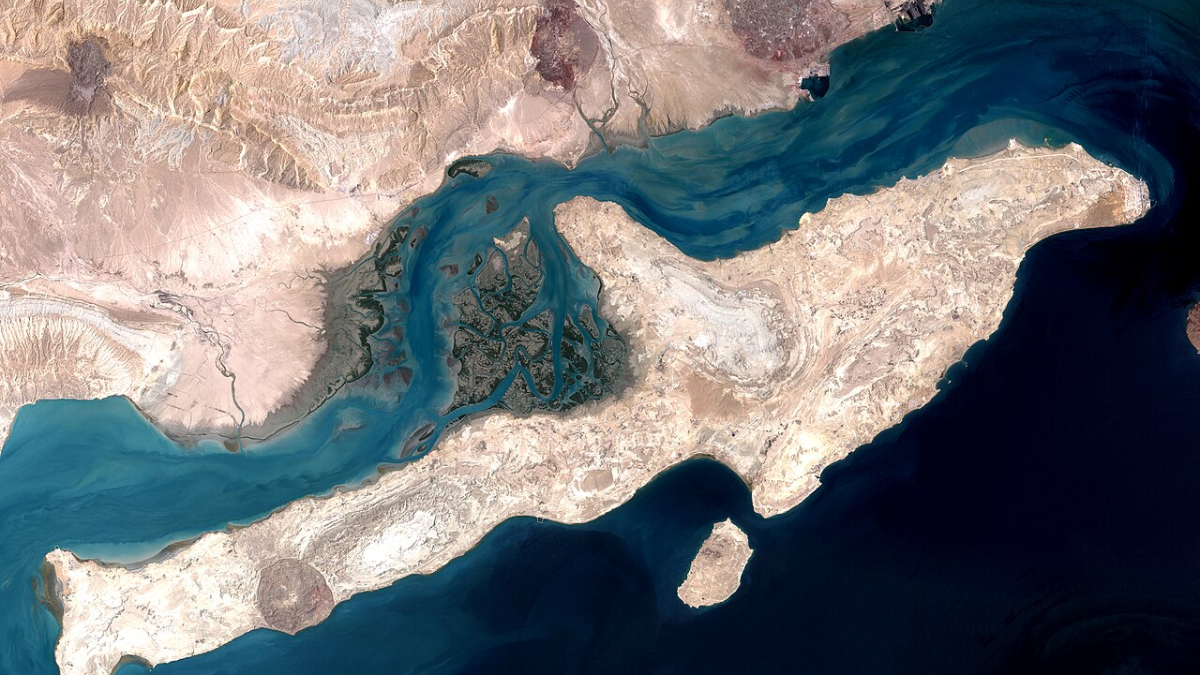
Located between the Persian and Oman Gulfs, the 104-mile-long Hormuz Strait is a key sea lane through which a large part of the global oil trade transits. The Hormuz Strait is a key sea route for exports for Saudi Arabia, Iran, Iraq, and the UAE.
The US-Israel attack on Tehran and Iran’s retaliation throughout the West Asian region on American and Israeli military installations have raised serious security concerns globally due to their impact on both the sea trade and air transport through the region.
How Indian-Crewed Cargo Ship Came Under Attack
Meanwhile, a Palau-flagged oil tanker carrying 15 Indian crew members was attacked by the Iranian military in Oman’s Musandam peninsula region, in which four people were injured, Omani authorities said on Sunday (March 1).
Iran has struck American military installations in several nations in West Asia, including the UAE, Bahrain, Saudi Arabia, and other nations in retaliation for the US-Israel air strikes within its territory.
Oman’s Maritime Security Center said the oil tanker, Skylight, was attacked around five nautical miles north of the port of Khasab in the Musandam governorate.
The 20-member crew on Skylight included 15 Indians and five Iranians. The crew members were safely evacuated, according to Oman’s official news agency.
Four of the crew members were injured in the Iranian attack and were provided medical care. New Delhi, on receiving information of the attack on the oil tank with Indian crew members, got in touch with the relevant authorities.
India’s Ministry of External Affairs (MEA) said on Saturday (February 28, 2026) that India was deeply concerned at the recent developments in Iran and the Gulf region.
“We urge all sides to exercise restraint, avoid escalation, and prioritise the safety of civilians,” it said. “Dialogue and diplomacy should be pursued to de-escalate tensions and address underlying issues. Sovereignty and territorial integrity of all states must be respected,” it added.
In a related development, the US Department of Transportation’s Maritime Administration on Saturday (February 28, 2026) asked American-flagged cargo ships to stay away from the Hormuz Strait or nearby waters in the Gulf region in view of the emerging security situation due to Iranian retaliatory strikes.
The department, in an alert to all shipping traffic, said military operations on Saturday (February 28) by Iran had become a threat to maritime traffic in the region, particularly to those vessels flying the US flag, due to potential strikes by Tehran’s military.
The threat extended not only to the Hormuz Strait, but also to the Gulf of Oman and the Arabian Sea, the US department noted in its alert.
“It is recommended that vessels keep clear of this area if possible,” the advisory said. t noted that “any US-flagged, owned, or crewed commercial vessels that are operating in these areas should maintain a standoff of 30 nautical miles from U.S. military vessels to reduce the risk of being mistaken as a threat.”
The advisory, set as an alert till next Saturday (March 7), strongly encouraged ships to maintain close contact with Naval Forces Central Command’s Naval Coordination and Guidance for Shipping and to review the latest advisories from the UK Maritime Trade Operations and the Joint Maritime Information Center.
Advising mariners to take risk mitigation measures as per the US Maritime Advisory 2026-01 regarding potential Iranian boarding, detention, or seizure in the Hormuz Strait and Oman Gulf.