


Uyghur Voices Are Silenced Even Before They Speak
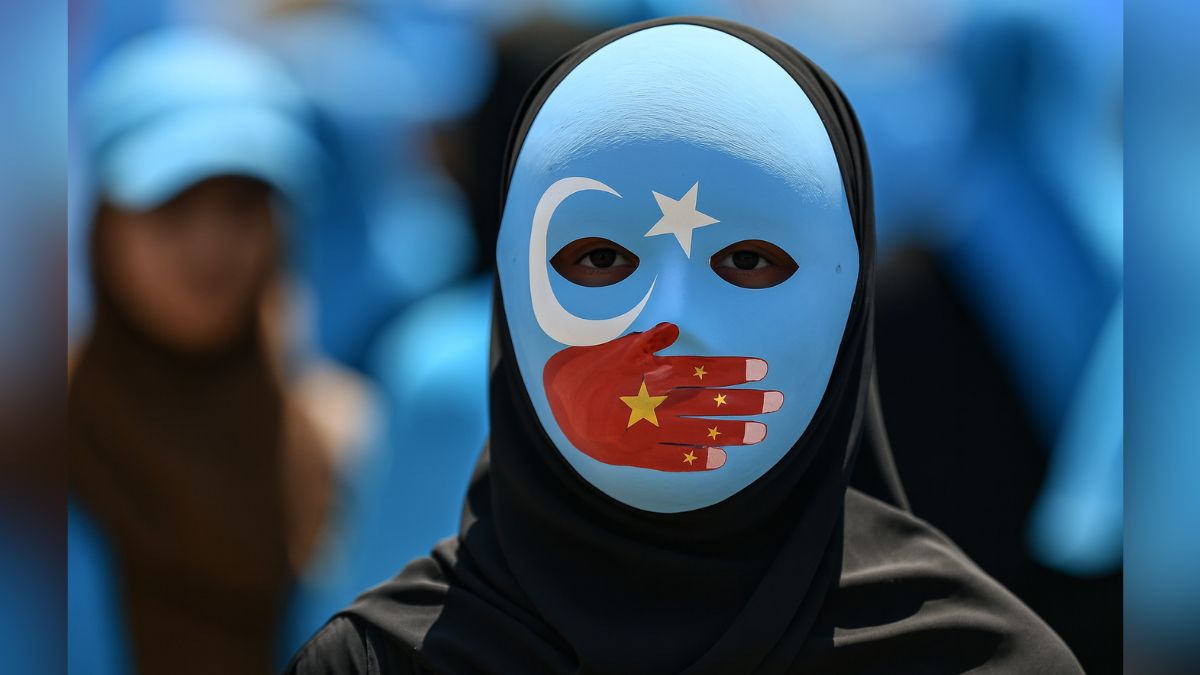
Speech in Xinjiang is closely monitored through a combination of surveillance systems and local administrative structures. Image courtesy: AI-ggenerated picture via Sora

China’s Xinjiang Uyghur Autonomous Region has undergone sweeping changes over the past decade, driven by policies that restrict public expression and tightly regulate how communities interact. While global attention often centres on detention facilities, the first layer of repression emerges much earlier. It begins with the management of speech, the narrowing of civic space and the quiet pressure applied to everyday life.
For Uyghurs, the most revealing insight is not only what happens inside state-run facilities, but what no longer happens outside them — open conversations, community-led cultural practices and the freedom to speak without fear of consequences.
How does China control everyday speech in Xinjiang?
Speech in Xinjiang is closely monitored through a combination of surveillance systems and local administrative structures. Individuals understand that discussions involving culture, faith or identity may invite scrutiny. This shapes daily interactions at home, in workplaces and in community spaces.
Digital communication is subjected to further monitoring. Messaging apps operate under real-name registration, and certain topics can trigger automated review. In some counties, local officials observe online activity to identify what they classify as “sensitive behaviour”. This contributes to the expectation that discussions, even in private settings, are not entirely free of oversight.
The result is a form of self-censorship that limits the ability of individuals to express concerns or preserve cultural knowledge openly.
Why are community gatherings and cultural activities so tightly regulated?
Gatherings in Xinjiang require official approval, regardless of purpose or size. This includes cultural events, study groups and community meetings. Without permission, organisers may face questioning or administrative measures. Religious activities are subject to particularly strict regulation, with only state-approved venues permitted and community-led initiatives discouraged.
Families adjust by reducing their participation in cultural events that could be misinterpreted as unauthorised assemblies. This restricts opportunities to maintain traditions, share knowledge or engage in collective cultural practice.
Regulation of gatherings limits both civic participation and the preservation of cultural identity.
What does the enforced silence indicate about the broader rights environment?
The lack of open expression is not a reflection of community preference. It is the product of a system that discourages public voice through legal ambiguity, administrative intervention and pervasive monitoring. When individuals believe that speaking openly may affect their families or livelihoods, silence becomes a survival strategy.
This environment also reduces external understanding of conditions within Xinjiang. With limited pathways for safe communication, the disconnect between lived experience and public awareness remains significant.
For Uyghurs, the narrowing of public expression represents a form of repression that extends beyond visible institutions. It alters daily life and suppresses the space in which culture and identity traditionally thrive.