

PM Modi, Carney Seal $1.8 Billion Uranium Pact, Fast-Track Trade Deal, Eye $50 Billion Bilateral Trade By 2030
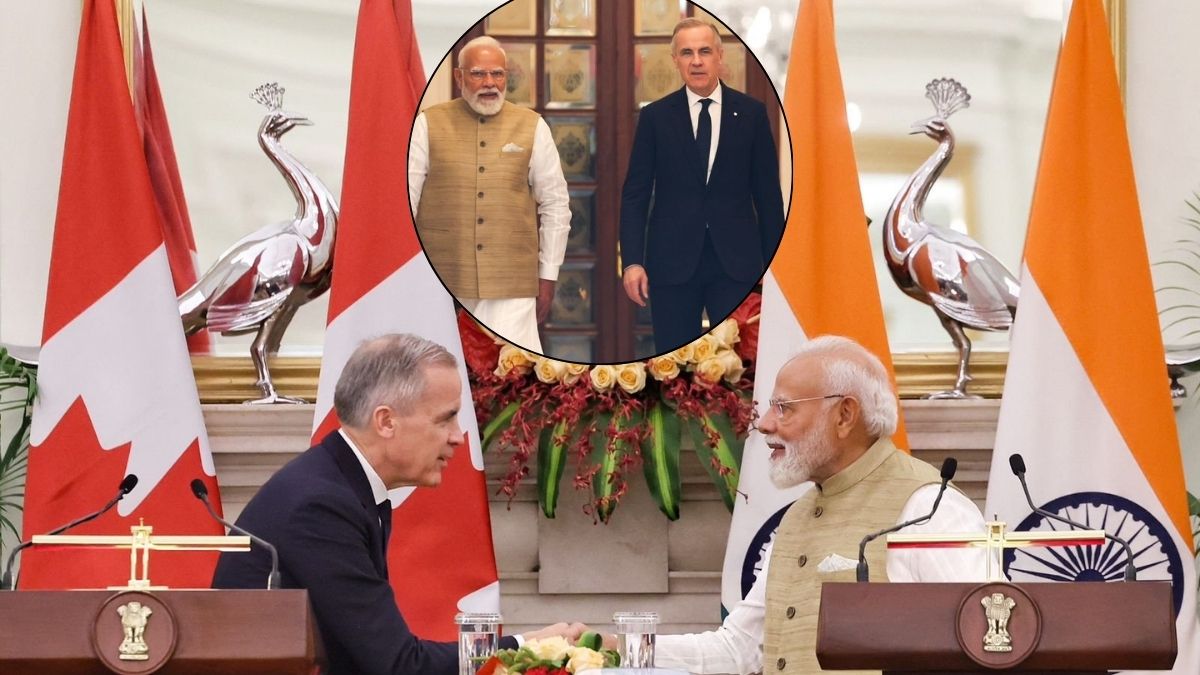
PM Modi said India and Canada will also work to enhance defence industries and maritime domain awareness. Image courtesy: RNA

In a significant reset of strained ties, India and Canada on Monday (March 2, 2026) signed a landmark uranium supply agreement and committed to fast-tracking a Comprehensive Economic Partnership Agreement (CEPA), following high-level talks between Prime Minister Narendra Modi and his Canadian counterpart Mark Carney in New Delhi.
The agreements, spanning civil nuclear energy, critical minerals, defence cooperation and trade, signal a dramatic diplomatic revival after relations plunged to historic lows in 2023. At Hyderabad House, the two leaders oversaw the signing of multiple agreements, headlined by a long-term uranium supply deal worth CAD $2.6 billion (approximately $1.9 billion).
Under the pact, Canada will supply uranium to fuel India’s expanding civil nuclear energy programme. The two sides also agreed to collaborate on small modular reactors (SMRs) and advanced nuclear technologies, areas seen as central to clean energy transitions.
PM Modi-Carney meeting outcomes
Prime Minister Modi described the development as an “important milestone”, saying, “In the civil nuclear energy sector, we have struck a landmark deal for long-term uranium supply. We will also work together on small modular reactors and advanced reactors.”
Canadian PM Carney called it the launch of a “strategic energy partnership with significant potential,” positioning Canada as a reliable partner for India’s nuclear ambitions.
India-Canada Free Trade Deal: Is it back on track?
PM Modi and Carney confirmed that negotiations on the Comprehensive Economic Partnership Agreement (CEPA) will be accelerated, with both sides finalising the terms of reference. “Our target is to reach $50 billion in bilateral trade. This is why we have decided to finalise a comprehensive economic partnership soon,” PM Modi said.
He further added that the agreement would generate jobs and open new investment avenues in both countries.
Carney underscored that bilateral engagement in the past year had surpassed levels seen in more than two decades combined. “This is not merely the renewal of a relationship. It is the expansion of a valued partnership with new ambition, focus and foresight,” he said. The renewed push for a trade deal also comes as Ottawa seeks to diversify economic partnerships amid ongoing trade friction with the United States.
How are critical minerals and energy shaping the partnership?
Beyond uranium, India and Canada also signed cooperation agreements in the critical minerals sector, a strategic area as India scales up manufacturing, electric mobility and clean-tech capabilities. “As India seeks access to critical minerals for its manufacturing, clean-tech and nuclear plants, Canada’s resource base and world-leading companies position it as a strategic partner,” Carney said.
Canada also signalled readiness to expand liquefied natural gas (LNG) exports from its west coast to India, reinforcing the energy dimension of the bilateral reset.
What about defence and security cooperation?
The two leaders discussed expanding cooperation in defence manufacturing and maritime domain awareness, reflecting growing Indo-Pacific security convergence. Without directly referencing past diplomatic tensions, Prime Minister Modi stressed the need for joint action against extremism.
“We agree that terrorism, extremism and radicalisation are shared and serious challenges not only for both countries but for all of humanity. Our close cooperation against them is extremely important for global peace and stability,” he said.
What led to India-Canada diplomatic freeze, and what’s changed?
Relations between New Delhi and Ottawa effectively collapsed in September 2023 after then-Prime Minister Justin Trudeau alleged that Indian government agents were linked to the killing of pro-Khalistan separatist Hardeep Singh Nijjar in Canada.
India rejected the accusations as “absurd” and “politically motivated,” triggering tit-for-tat diplomatic expulsions and stalled trade talks.
Carney’s visit to India, and the scale of agreements signed, represents a clear shift toward pragmatic re-engagement. Calling the renewed ties a partnership between “two confident countries charting our own course for the future,” Carney signalled Ottawa’s intent to move beyond the impasse and anchor ties in economic and strategic cooperation.
India-Canada engage in strategic rebalancing
The revival of India-Canada ties comes at a time of global supply chain recalibration, geopolitical fragmentation and energy transition pressures. For India, Canadian uranium and critical minerals strengthen long-term energy security and manufacturing ambitions.
For Canada, deeper engagement with India offers access to one of the world’s fastest-growing major economies, and a strategic hedge amid shifting Western alliances. As both governments position the reset as a ‘Next Level Partnership’, the uranium pact and trade push could redefine the trajectory of bilateral relations after one of the sharpest diplomatic crises in their history.