

Preparedness Must Reflect New Normal: CDS Flags Need for Multi-Domain Readiness At Chanakya Dialogue 2025
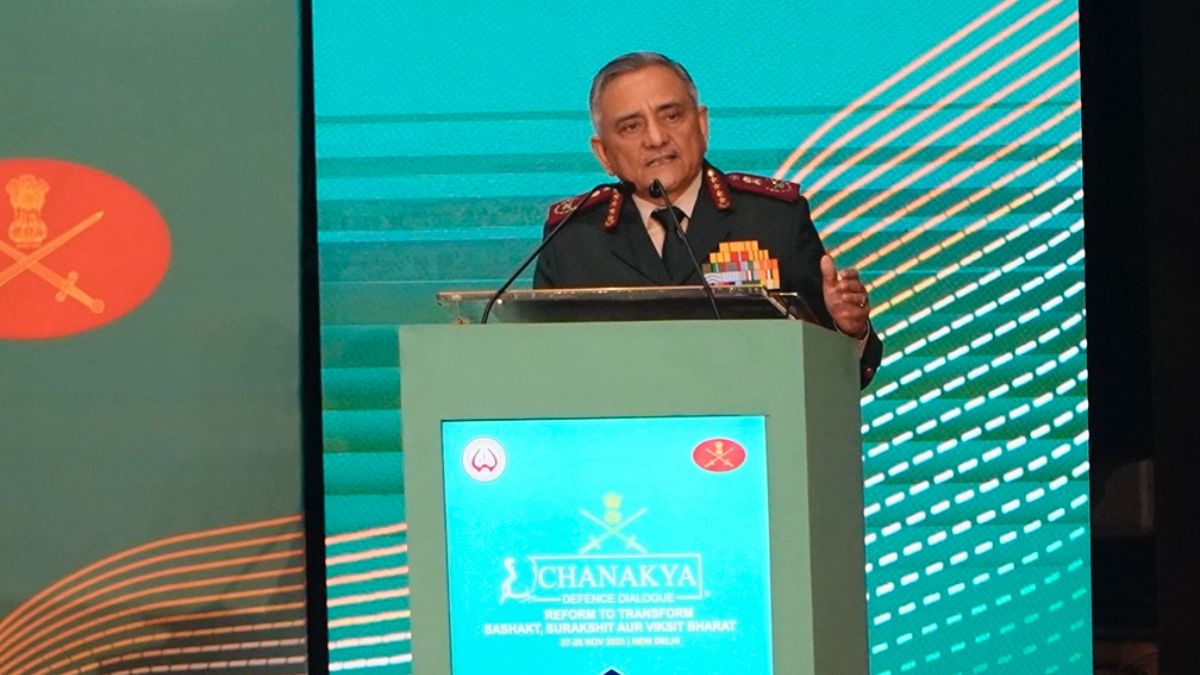
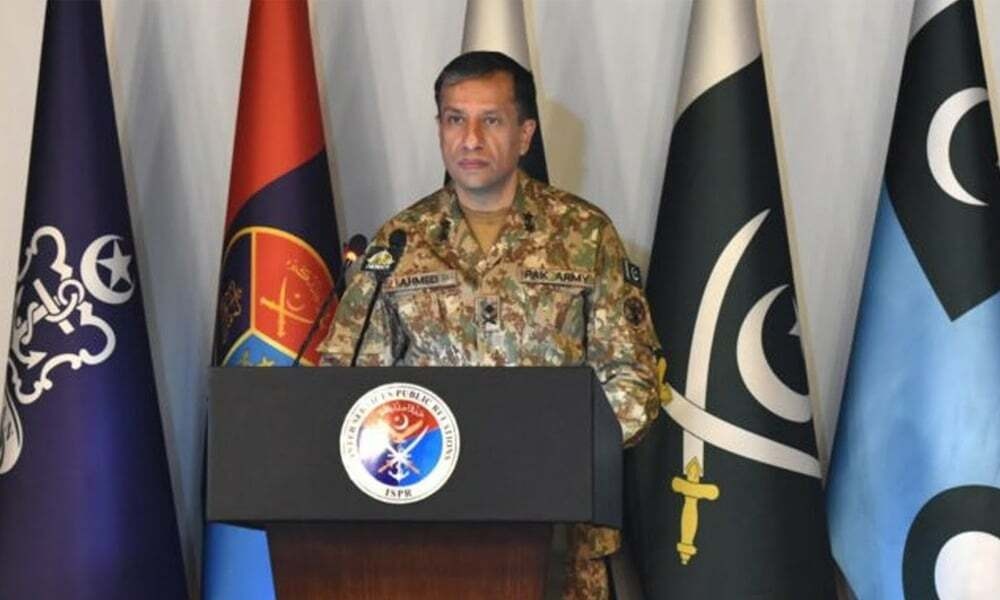
Military preparedness must reflect the new normal, CDS Anil Chauhan said at the Chanakya Defence Dialogue 2025.

Chief of Defence Staff (CDS) General Anil Chauhan has issued a stark warning that the international security landscape is shifting rapidly, with the future likely to be “more violent, unstable, and unpredictable.” Speaking at the Chanakya Defence Dialogue 2025, he said India must prepare for an era where conflicts are sharper, treaties weaker, and technology-driven warfare more decisive than ever.
The consequences of failure in war are catastrophic, he noted, stressing that strategic leadership must rely on rigorous preparation, intellectual honesty, and clarity of vision. “Soldiers may not fight every day, but they must be ready for the one day the nation needs them.”
Suggesting so, CDS Chauhan underlined that military preparedness must reflect the new normal. “Innovation, defence R&D, manufacturing, and diplomatic positioning must rest on real strength,” he stated at the annual conclave.
How is warfare changing in the age of technology?
General Chauhan highlighted that emerging technologies are transforming the character of war far faster than military organisations can adapt. He pointed to precision weapons, automation, robotics, and an explosion in advanced sensors that have collapsed the traditional role of geography.
He also identified four defining trends shaping future battlefields – higher speeds in weapon and delivery systems; increased deployment of robotics and autonomous platforms; enhanced visibility as sensors multiply across domains; and geopolitical turbulence adding layers of instability.
“The more dependent a society becomes on any technological domain, the more tempting it becomes for an adversary to target it,” he warned. This, he said, underlines the inevitability of multi-domain operations, where cyber, space, information, and kinetic warfare merge.
Why is nuclear stability weakening worldwide?
CDS Chauhan cautioned that global nuclear stability is eroding as major powers modernise and expand their arsenals. He cited Russia’s Poseidon undersea nuclear drone, China’s rapid nuclear growth, and renewed calls for testing from the United States as signs of weakening deterrence structures.
With treaties deteriorating and regional tensions, from South Asia and West Asia to the Korean Peninsula, fueling new ambitions, the risk of nuclear signalling turning into operational posturing is rising. “Erosion of sovereignty, aggressive force projection, and nuclear instability do not augur well for global peace,” he said.
What does this mean for India’s security preparedness?
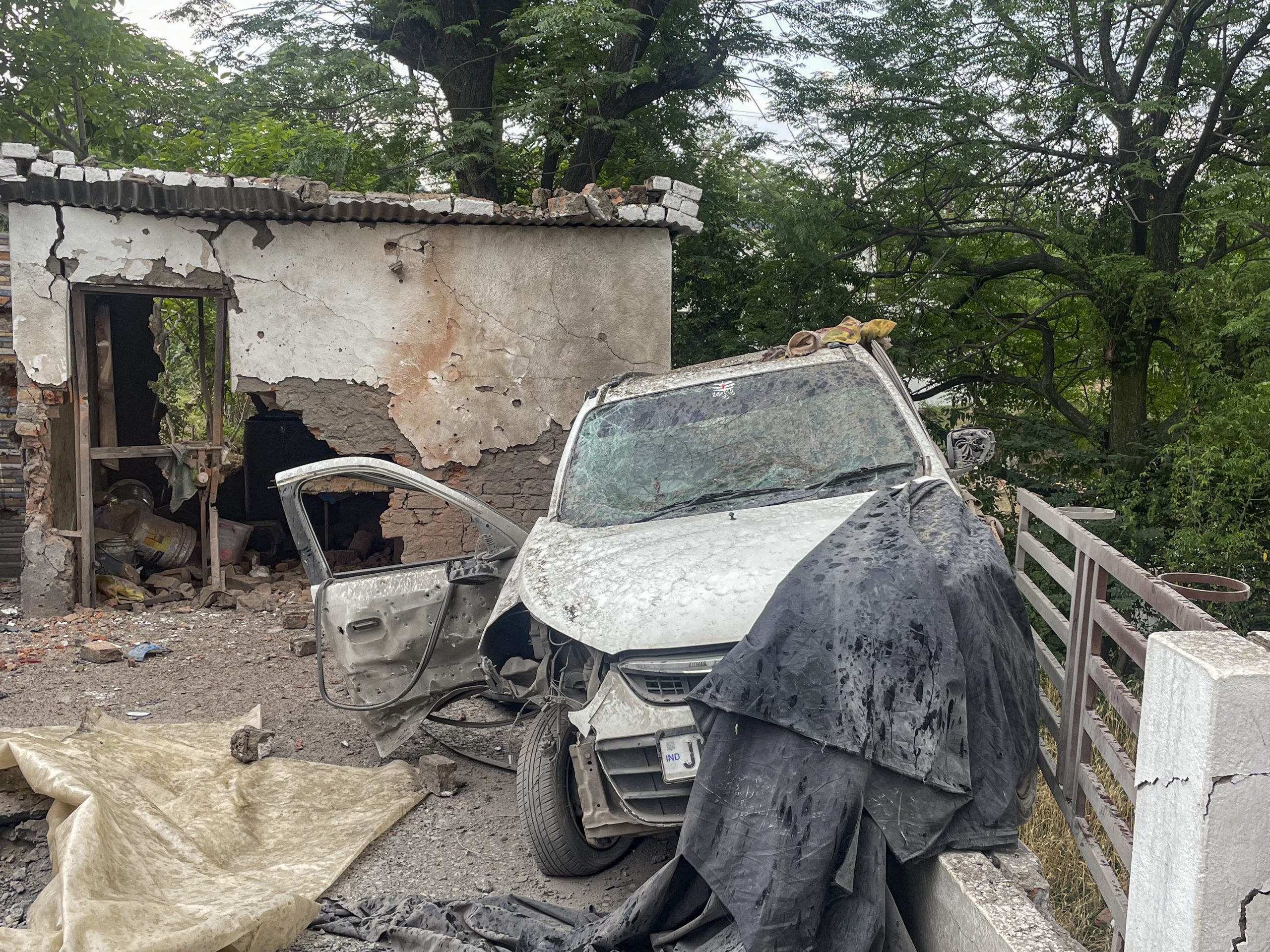
General Chauhan said the battlespace today has expanded far beyond physical borders, with entire national infrastructures like energy, finance, communication, logistics, now vulnerable to attack. Citing Operation Sindoor as an indicator of India’s widening operational spectrum, he said future conflicts will involve simultaneous contests in cyber, space, information, and kinetic domains.
This is why the CDS Chauhan has called for credible readiness, multi-domain operations, technological leapfrogging, and a resilient national security architecture. “Military power shapes perceptions and lends credible national resolve,” he added, emphasising that a strong and adaptive force structure is essential for India’s strategic credibility.