HAMMER Missile To Be Made In India By BEL-Safran JV As India-France Ink 10-Year Defence Pact
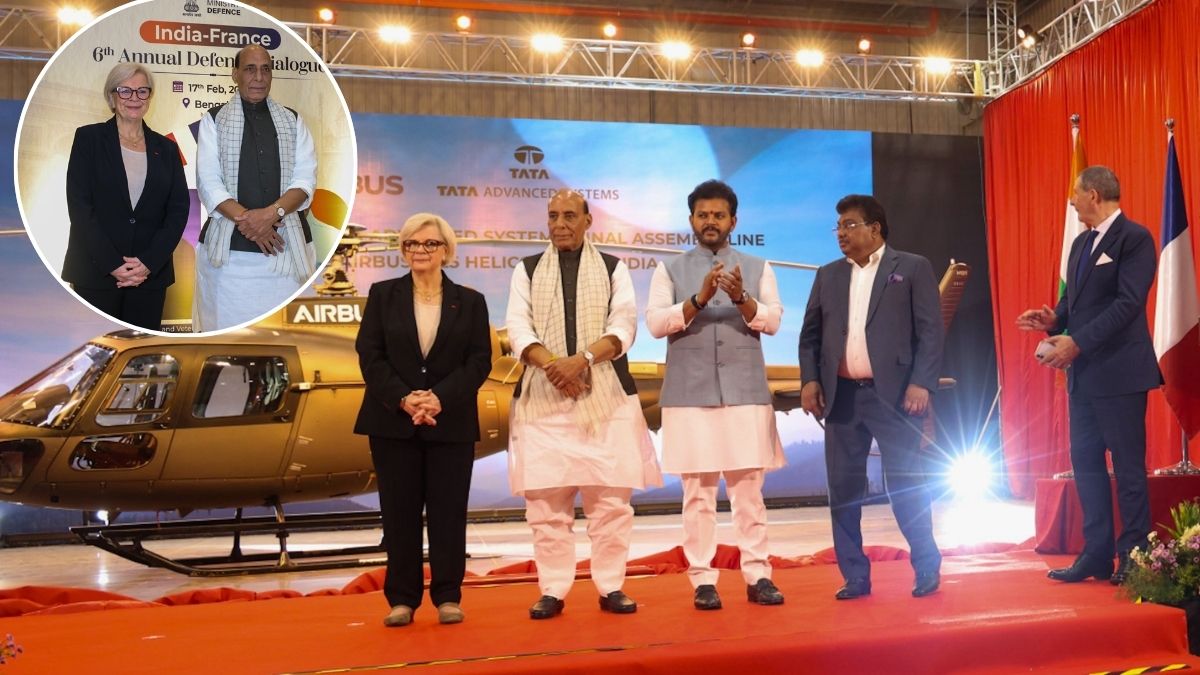
Rajnath Singh emphasised that India has been the ‘First Responder’ and ‘Net Security Provider’ for countries in the IOR. Image courtesy: RNA

On the one hand, Prime Minister Narendra Modi and French President Emmanuel Macron launched the India-France Year of Innovation 2026 on Tuesday (February 17, 2026), on the other, both the countries signed two key defence agreements in a significant boost to Indo-French strategic ties.
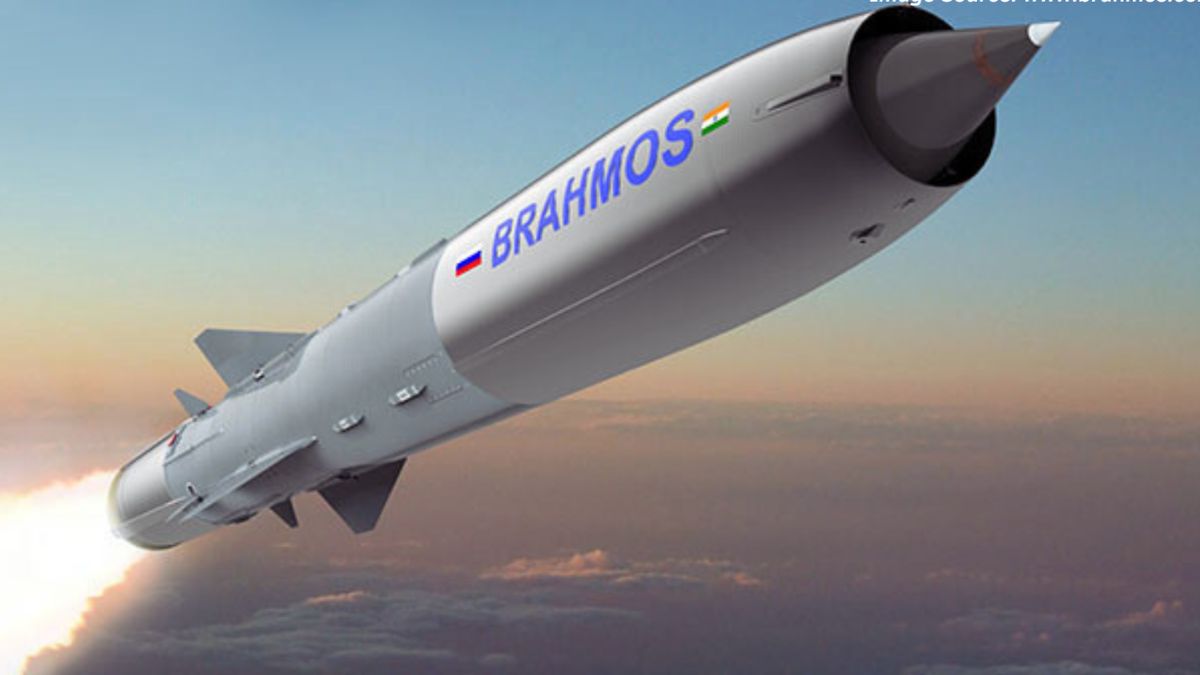
India and France have renewed their 10-year defence cooperation framework and launched a joint venture to manufacture HAMMER precision-guided missiles in India. As per the deal, leading defence PSU Bharat Electronics (BEL) and French defence firm SAFRAN will make the HAMMER missiles in India.
The agreements, finalised during the 6th India–France Annual Defence Dialogue in Bengaluru, come close on the heels of high-level engagements between PM Modi and French President Macron, signalling accelerated defence-industrial cooperation between the two strategic partners.
India-France defence deal: What does the renewed 10-year pact cover?
The first Memorandum of Understanding (MoU) renews and amends the existing 10-year India–France defence cooperation agreement. The document was signed by Indian Defence Secretary Rajesh Kumar Singh, Lt Gen Eric Peltier, Deputy Director General of International Relations and Strategy, France.
While details of specific clauses remain confidential, the framework is expected to cover expanded defence-industrial collaboration, joint military exercises and operational coordination, technology transfer and co-development projects, maritime security cooperation in the Indo-Pacific, space and emerging domain partnerships.
Defence Minister Rajnath Singh, who co-chaired the dialogue with French counterpart Catherine Vautrin, highlighted France’s “steadfast commitment to strategic autonomy” and a stronger European defence posture. He also linked the agreement to the broader India–EU security and defence partnership, describing it as a platform to deepen regional stability and joint capability-building.
Why is HAMMER missile production in India significant?
The second MoU marks a major step toward defence indigenisation, establishing a joint venture to manufacture HAMMER (Highly Agile Modular Munition Extended Range) missiles in India. The agreement was signed betweenBEL, led by CMD Manoj Jain, and Safran Electronics & Defence, represented by Executive VP Alexander Ziegler.
The HAMMER missile is a precision-guided air-to-ground weapon integrated with the Indian Air Force’s Rafale fleet and adaptable to other platforms.
It simple matters as it enhances operational readiness of Indian fighter aircraft, reduces dependency on imports, along with boosting domestic production under ‘Make in India’, and further strengthens India’s precision strike capabilities. Local manufacturing will also improve supply chain resilience and lifecycle support.
How does this build on Modi-Macron strategic push?
The defence agreements follow closely after the Modi–Macron meeting, which elevated India–France ties and expanded cooperation across defence, space, AI and industrial partnerships. France has emerged as one of India’s most reliable defence partners, with cooperation spanning Rafale fighter jets, Scorpene-class submarines, helicopter manufacturing projects, space and satellite collaboration.
Catherine Vautrin described defence as the “central pillar” of bilateral relations.
“Our collaboration is exemplary, with joint exercises and co-production of military platforms. This partnership is grounded in mutual respect, which makes India an essential partner in the Indo-Pacific,” she said.
What does this mean for the Indo-Pacific security architecture?
Both sides stressed the importance of partnerships amid shifting global power dynamics. Rajnath Singh underlined that the India–France partnership plays a stabilising role in the Indo-Pacific, where maritime security, supply chains and strategic competition remain key concerns.
He noted that India has been the ‘First Responder’ and ‘Net Security Provider’ for countries in the Indian Ocean Region and always extends assistance to them in the defence, security and maritime domains to augment their capabilities & ward off any adversary.
Vautrin also flagged deeper cooperation in space security, defence industry integration, bilateral technology partnerships. The agreements indicate that Indo-French defence ties are moving beyond buyer-seller dynamics toward co-production and long-term capability development.