Warm Welcome Awaits You: PM Modi Invites New Bangladesh PM Tarique Rahman To India In Letter To BNP Leader
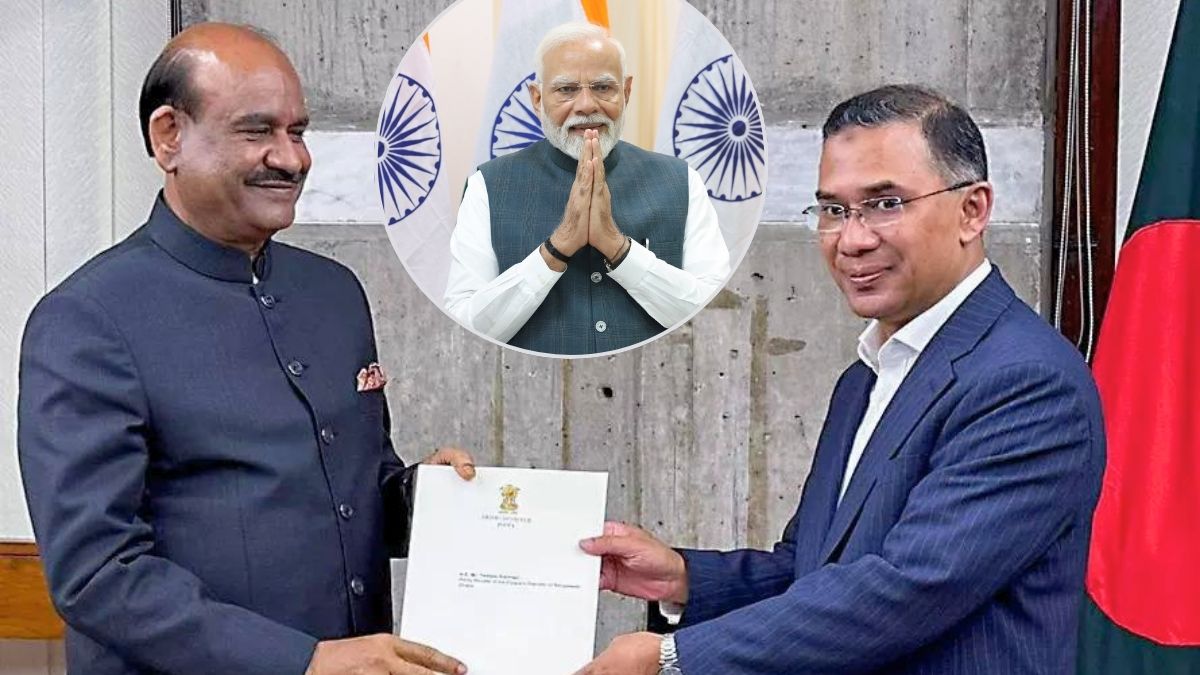
PM Modi expressed confidence that Rahman's leadership would guide the country on a path of peace, stability and prosperity. Image courtesy: RNA

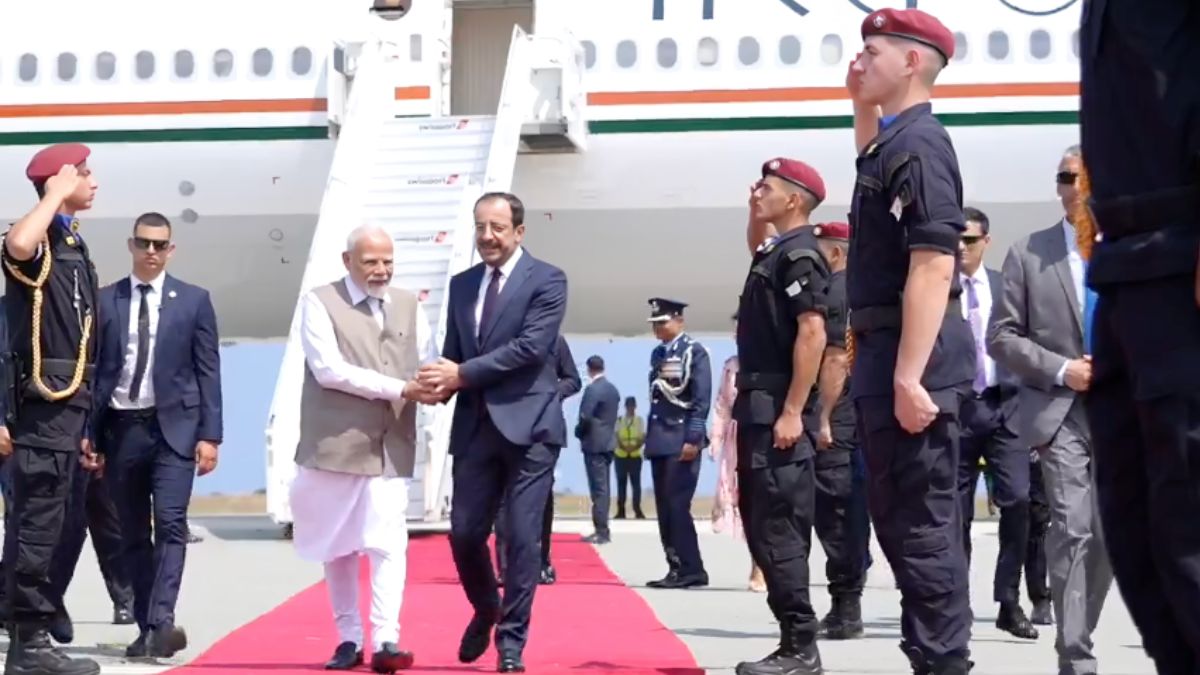
India has moved swiftly to engage Bangladesh’s newly sworn-in Prime Minister Tarique Rahman, with Prime Minister Narendra Modi extending formal congratulations and an invitation to visit New Delhi to the country’s new leader, signalling what could be the beginning of a recalibrated phase in India-Bangladesh relations.
Lok Sabha Speaker Om Birla represented India at Rahman’s oath-taking ceremony in Dhaka on Tuesday (February 17, 2026), personally handing over a letter from PM Modi and conveying his greetings during a follow-up phone call. Notably, this signals a major shift in ties between the two Asian countries.
What did PM Modi convey to Tarique Rahman?
In his congratulatory letter, Prime Minister Modi wrote, “I extend my warmest congratulations to you on the victory of the Bangladesh Nationalist Party at the just-concluded parliamentary elections in Bangladesh and on your appointment as the next Prime Minister of Bangladesh.”
PM Modi also invited Rahman, his wife Dr Zubaida and daughter Zaima to visit India at a “mutually convenient time,” adding, “A warm welcome awaits you in India.” The message underscored India’s emphasis on continuity in bilateral ties rooted in shared history, cultural connections and regional cooperation.
The Prime Minister expressed confidence that Rahman’s leadership would guide Bangladesh towards “peace, stability and prosperity,” while reaffirming India’s readiness to work closely with the new government.
Why did PM Modi not attend the Rahman’s swearing-In?
Bangladesh’s interim government under Chief Adviser Muhammad Yunus had invited PM Modi to attend the ceremony in person, after the February 12 election results were out. However, citing prior commitments in Mumbai with French President Emmanuel Macron, Modi declined and deputed Lok Sabha Speaker Om Birla as India’s representative.
Birla described his presence at the ceremony as a reflection of India’s commitment to strong bilateral ties. “India stands ready to support Bangladesh’s endeavours to build a democratic, progressive and inclusive nation,” he posted on X.
During a courtesy meeting, Rahman conveyed his greetings to PM Modi, while both sides expressed optimism about advancing “a people-centric menu of cooperation,” according to Bangladesh High Commissioner to India Riaz Hamidullah.
India-Bangladesh relations: How have the ties been in recent months?
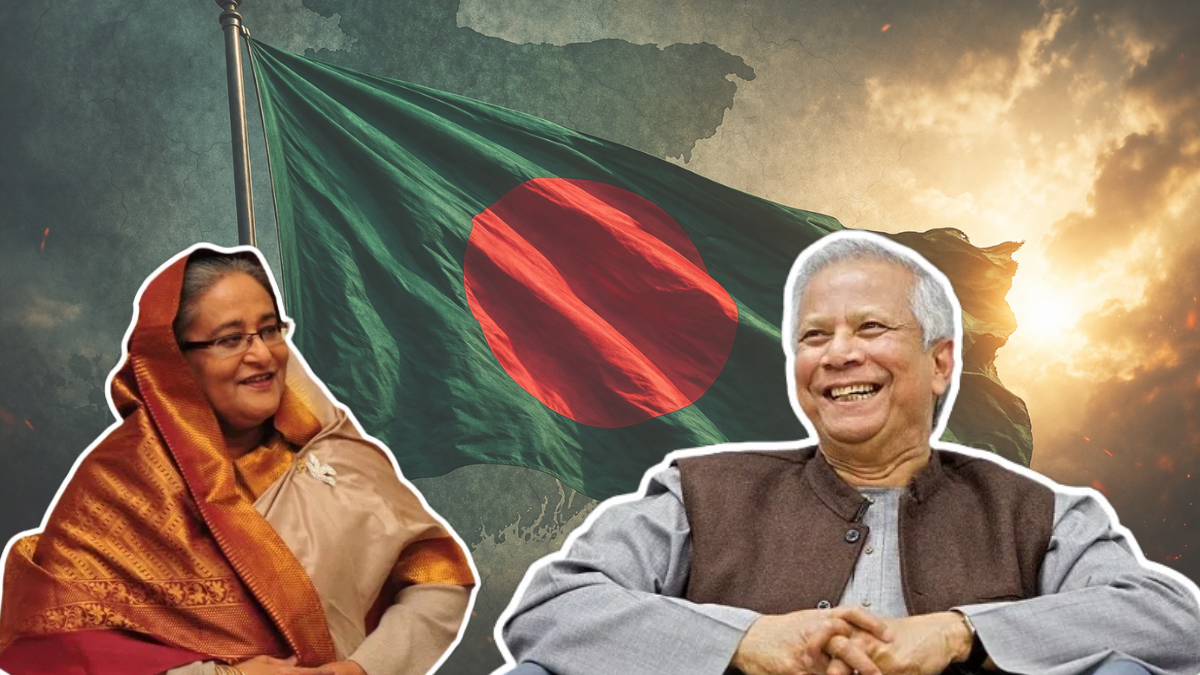
Relations between New Delhi and Dhaka witnessed a visible downturn during the interim administration led by Muhammad Yunus. Indian officials had expressed concerns over repeated attacks on minority communities, political instability during the transition period, and uncertainty over policy continuity.
The diplomatic atmosphere grew cautious, with both sides recalibrating engagement during the interim phase. However, the landslide victory of the Bangladesh Nationalist Party (BNP) has reset the political landscape in Dhaka.
Why is India ‘cautiously optimistic’ about Rahman?
Indian officials describe their outlook on Rahman’s leadership as “cautiously optimistic.”
Historically, ties between India and BNP-led governments have experienced friction. However, diplomats believe current geopolitical and economic realities may shape a more pragmatic approach. Some of the key considerations include Bangladesh’s economic challenges and need for regional stability, connectivity and trade cooperation with India, strategic balancing in South Asia amid China’s expanding footprint.
New Delhi views sustained engagement as essential for regional security, cross-border trade and connectivity projects linking the Northeast to Bangladesh’s ports.
Moreover, the diplomatic exchanges also reflect continuity in engagement. In December 2025, PM Modi had sent a condolence letter to Rahman following the death of his mother and former Prime Minister Khaleda Zia. Recalling his 2015 meeting with her in Dhaka, Modi described Khaleda Zia as “a leader of rare resolve and conviction”.
What could next phase of India-Bangladesh relations look like?
With Rahman now formally in office, attention turns to potential diplomatic initiatives, including revitalising trade and connectivity corridors, enhancing border management cooperation, addressing minority and human rights concerns, strengthening regional security coordination.
India’s invitation to Rahman for an official visit could provide an early opportunity to reset the tone and outline priorities for the next chapter.