

We Can’t Be Lenient: Hezbollah Rejects Lebanon’s 4-Month Disarmament Timeline Amid Ongoing Israel Tensions
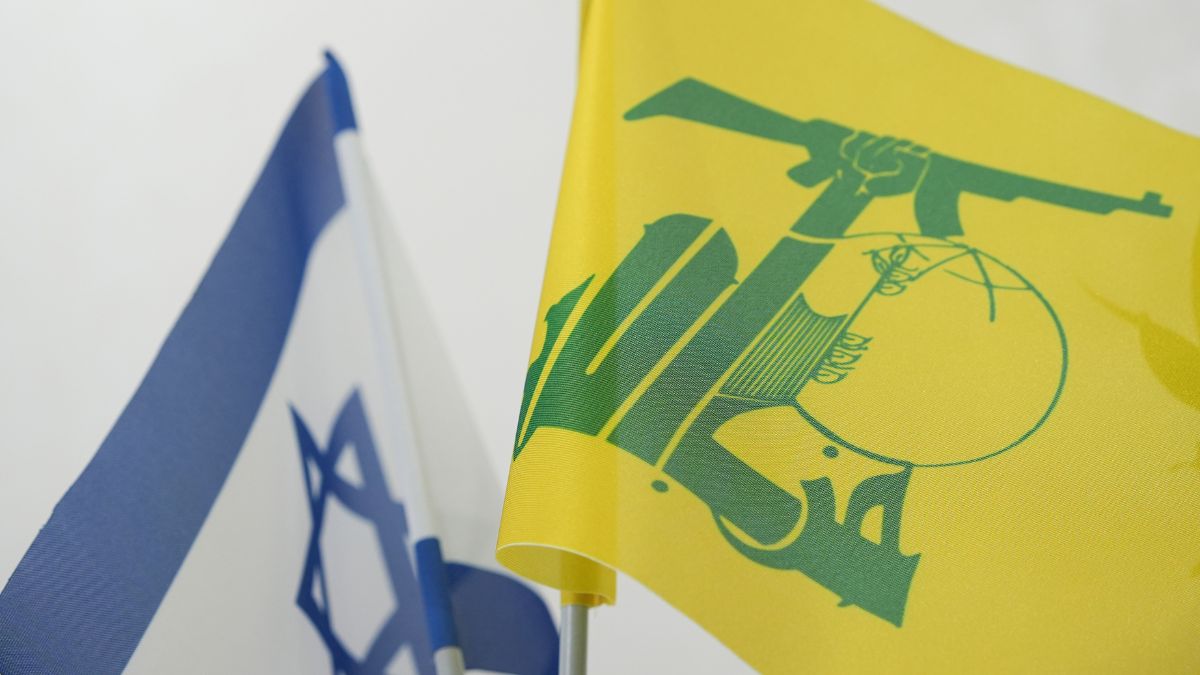
In September 2025 the cabinet formally welcomed the army's plan to disarm the Iran-backed Shi'ite militia. Image courtesy: RNA

Lebanon’s fragile post-war landscape faces renewed strain after Hezbollah formally rejected the government’s decision to grant the Lebanese Army at least four months to advance the second phase of a nationwide disarmament plan, a move seen as central to stabilising the country after the devastating 2024 war with Israel.
Dubbing it as a move that serves Israel, Hezbollah said, “We cannot be lenient”, as it rejected the disarmament effort as a misstep while Israel continues to target Lebanon. Hezbollah Secretary-General Sheikh Naim Qassem sharply criticised the government’s move, calling it a “major mistake.”
The dispute underscores the deep internal divisions in Beirut as the country navigates reconstruction, security reform and continued Israeli military pressure.
Why is Lebanon pushing a disarmament plan now?
In August 2025, Lebanon’s cabinet tasked the army with developing and implementing a plan to bring all armed groups’ weapons under state control. The initiative is widely viewed as primarily targeting Hezbollah, the powerful Iran-backed Shi’ite militia that fought a major conflict with Israel in 2024.
By September 2025, the cabinet formally welcomed the army’s roadmap, though it stopped short of setting a firm timeline. Officials acknowledged that the Lebanese military has limited operational capacity, continued Israeli strikes complicate its implementation, and political sensitivities around Hezbollah remain acute.
The latest decision grants the army a four-month period which is renewable depending on “available capabilities, Israeli attacks and field obstacles,” according to Information Minister Paul Morcos.
The army’s plan reportedly focuses on restricting weapons in areas north of the Litani River up to the Awali River in Sidon, a sensitive zone under longstanding international scrutiny.
Why has Hezbollah rejected the timeline?
“What the Lebanese government is doing by focusing on disarmament is a major mistake because this issue serves the goals of Israeli aggression,” Qassem said in a speech. Hezbollah lawmaker Hassan Fadlallah reinforced the group’s stance, declaring, “We cannot be lenient.”
Shi’ite ministers affiliated with Hezbollah walked out of the cabinet session in protest, signalling that the issue could trigger deeper political fissures within Lebanon’s coalition government.
For Hezbollah, the timing of the disarmament push, amid continued Israeli operations, is seen as undermining what it calls Lebanon’s “resistance” posture.
How does this connect to the 2024 Israel-Hezbollah war?
The 2024 conflict between Israel and Hezbollah resulted in widespread destruction in southern Lebanon, significant displacement and heightened regional tensions.
Although active hostilities subsided, cross-border incidents and Israeli strikes have continued intermittently. Israel has repeatedly stated that Hezbollah’s arsenal, including precision-guided missiles and cross-border capabilities, poses a direct security threat.
Israeli officials argue that Hezbollah’s weapons outside state control violate international resolutions, and a disarmament must be “fully and effectively implemented”. They also say that any continued military activity near the border is unacceptable. Israel has also said it will continue preventive actions to stop the “entrenchment or arming of hostile actors” in Lebanon until cross-border threats are neutralised.