


After Death Penalty, Former Bangladesh PM Sheikh Hasina Sentenced To 21 Years In Jail In Corruption Cases
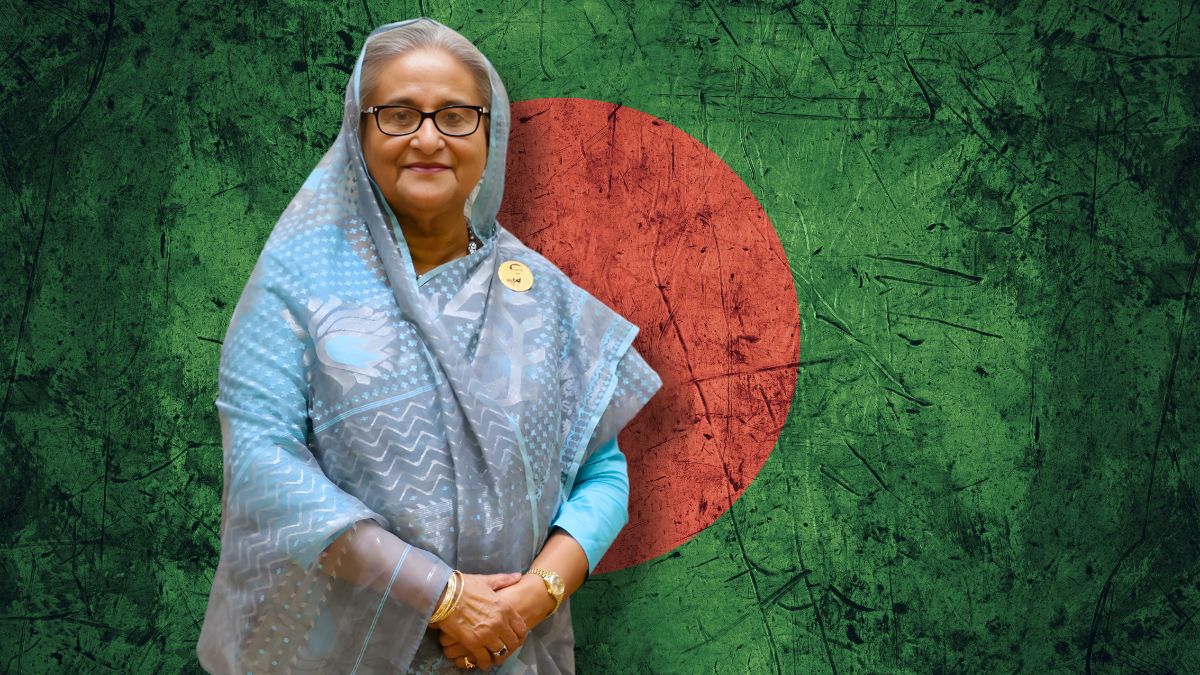
A Bangladesh court has sentenced ousted Prime Minister Sheikh Hasina to 21 years in prison for corruption. Image courtesy: RNA

Bangladesh’s turmoil intensified on Thursday (November 27, 2025) as a Dhaka court sentenced deposed former Prime Minister Sheikh Hasina to 21 years in prison in three corruption cases, less than a fortnight after she was handed a death sentence in absentia for “crimes against humanity” linked to last year’s brutal crackdown on student-led protests.
The corruption convictions stem from alleged irregularities in land allocations under the Rajuk New Town Project in Purbachal. Judge Mohammad Abdullah Al Mamun of Dhaka Special Judge Court-5 awarded Hasina seven years in each of the three cases, ruling that she would serve the terms consecutively.
The 78-year-old former prime minister of Bangladesh was also fined Tk 1 lakh per case, with an additional 18 months in jail if she fails to pay. Delivering the judgment, the judge noted, “The plot was allotted to Sheikh Hasina without any application and in a manner that exceeded the legally authorised jurisdiction.”
Sheikh Hasina corruption cases: Why are her children entangled in the legal dragnet?
In a striking escalation, the court also sentenced Hasina’s son Sajib Wajed Joy and daughter Saima Wazed Putul to five years in prison each in the same cases. Both were fined Tk 1 lakh, or face an additional month in jail for default. The inclusion of her children signals a broader dismantling of the Hasina political dynasty.
Hasina claims the charges are politically engineered, part of a sweeping purge that followed the collapse of her government earlier this year.
Are these trials targeting a wider network beyond the Hasina family?
A total of 20 others, including former junior housing minister Sharif Ahmed and several officials from the Housing Ministry and Rajuk, were also convicted. Only one junior officer was acquitted. Notably, only one accused appeared in court; he received three years’ imprisonment, highlighting the exodus of former regime members following Hasina’s fall.
The Anti-Corruption Commission had filed six cases over just three days in January 2025, moving rapidly to submit charge-sheets by March 2025. A fews later by July 2025, the court had framed the charges and issued arrest warrants. Twenty-nine witnesses ultimately testified.
Sheikh Hasina death penalty: Will India extradite former Bangladesh PM?
Dhaka has renewed pressure on New Delhi to extradite Hasina, who sought refuge in India after her ouster last year. Foreign Affairs Adviser M. Touhid Hossain stated that Bangladesh now expects a formal response, arguing that “the situation is different now” with the judicial process largely complete.
India said it is “examining” the interim government’s request but maintained that its priority remains the “best interests of the people of Bangladesh.” This puts New Delhi in a delicate position – balancing regional stability, domestic political optics, and long-standing ties with the Awami League.
What do the dual blows for Hasina mean for Bangladesh politics?
The dual blows of a death sentence followed by a 21-year corruption conviction effectively mark the end of Hasina’s political era. With her family facing jail terms, and Awami League leadership disbanded or in hiding, Bangladesh is undergoing one of the most drastic political resets in its modern history.
The judiciary’s rapid-fire verdicts underscore the interim government’s determination to redraw the country’s political landscape, though critics argue the speed and severity of the trials risk deepening polarisation and inviting international scrutiny.