
India Trusted Vishwa-Mitra, Will Continue To Remain Dependable: At MILAN 2026, Rajnath Singh Calls For Naval Unity
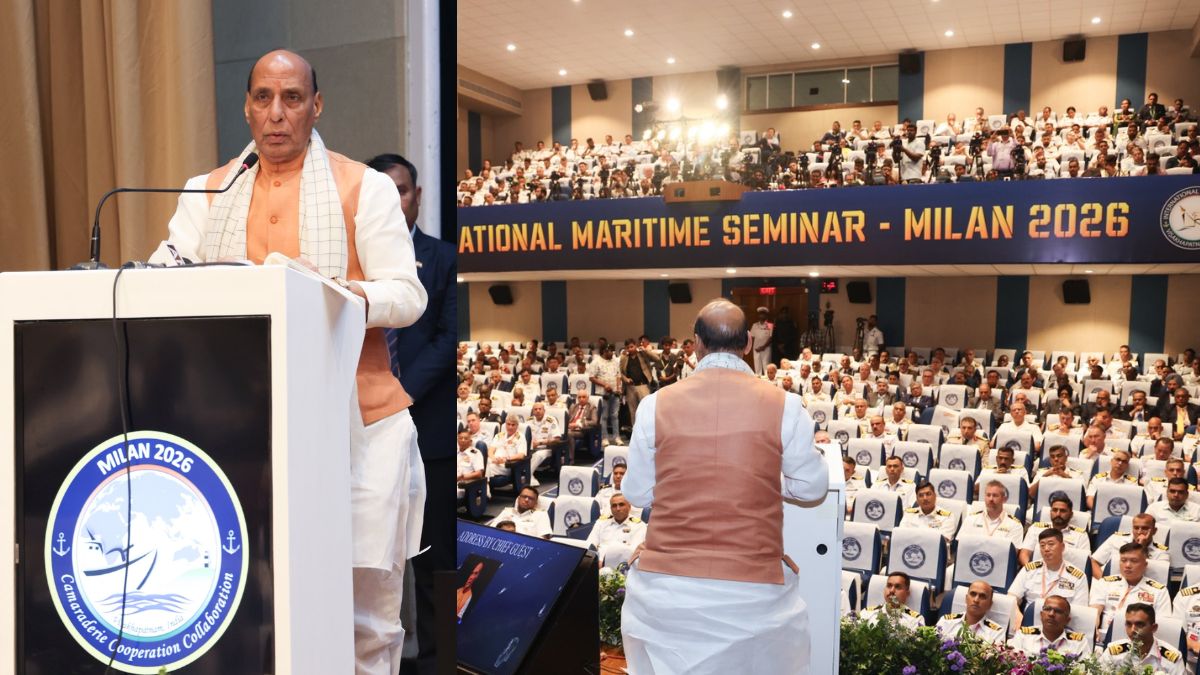
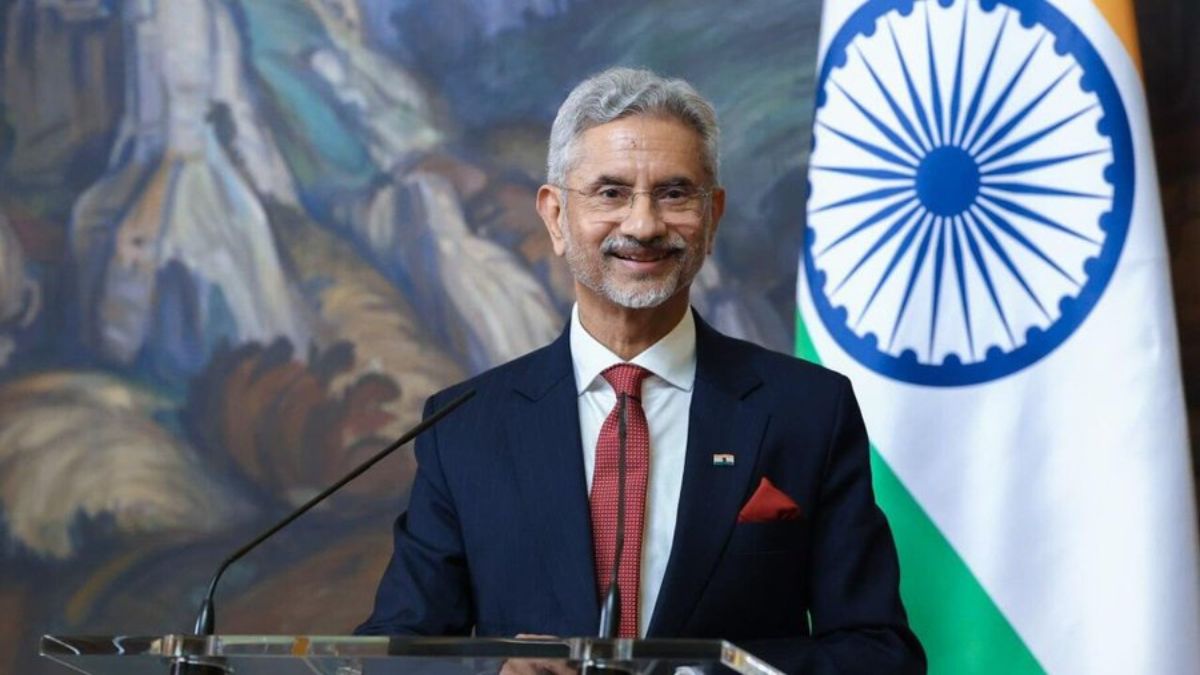
India is a trusted Vishwa-Mitra, will continue to play a constructive & dependable role in the region, said Rajnath Singh. Image courtesy: RNA

Over time, the role of Navies in international peacemaking has only increased. Saying so, Defence Minister Rajnath Singh has called for a global maritime cooperation, as the contests for ownership of straits and channels also keep on rising, sometimes causing threats of flare up.
Increasing international attention to underwater resources, particularly rare-earth minerals are adding a new dimension to this tension. In addition, there is a need to guard our waters from the nefarious terrorist activities which are spreading tentacles across countries and regions, Singh underlined while inaugurating MILAN-2026 exercise on Thursday (February 19, 2026).
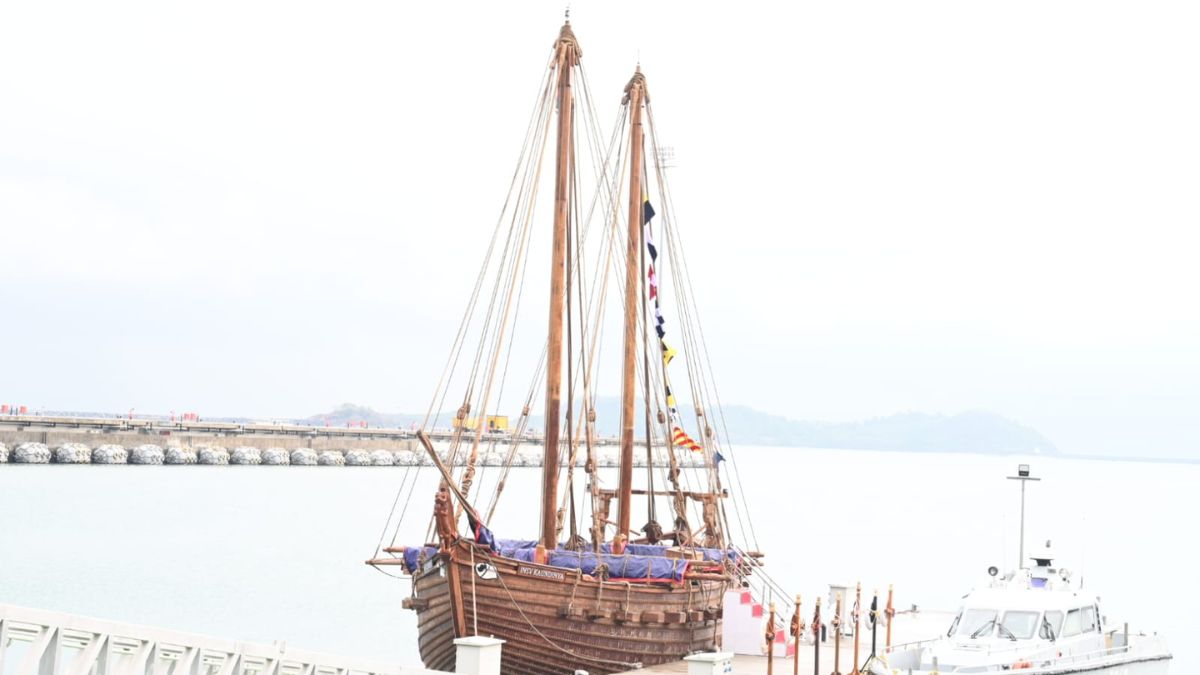
From a modest gathering of four foreign navies in 1995 to a 74-nation maritime congregation in 2026, Exercise MILAN has evolved into one of the world’s largest multilateral naval engagements, and this year’s edition in Visakhapatnam comes with a sharper strategic message.
Why did Rajnath Singh call for naval unity?
Inaugurating MILAN-2026 on Thursday, Defence Minister Singh called on navies across the world to deepen cooperation, warning that no single maritime force can manage today’s expanding spectrum of threats alone. Addressing Navy Chiefs and Heads of Delegations in Vizag, Singh underscored that security of global sea lanes depends on collective action.
He pointed to a dramatic transformation in the global maritime landscape over the past few decades. Pointing out that the role of navies in international peacemaking has gone up, the defence minister noted that exponential economic growth has led to massive expansion in trade and shipping traffic.
But prosperity has also intensified competition. “There has been a rise in contests for ownership of channels, sometimes causing threats of flare up,” he observed. Adding a new layer of complexity is the growing global focus on underwater resources, especially rare-earth minerals, which are critical for high-tech manufacturing and clean energy systems.
What are the emerging threats at sea?
The Defence Minister emphasised that traditional naval challenges now coexist with a wide range of non-traditional threats. These include piracy and maritime terrorism; illegal fishing and trafficking; cyber vulnerabilities in naval and port infrastructure; disruptions to global supply chains; and climate-driven humanitarian crises.
“There is a need to guard our waters from nefarious terrorist activities which are spreading tentacles across countries and regions,” Singh warned.
Climate change, he added, has increased the frequency and severity of natural disasters, making humanitarian assistance and disaster relief (HADR) missions more complex and more frequent.
Why can’t navies act alone anymore?
Rajnath Singh made a blunt assessment that “no single navy, however capable, can address these challenges alone.” In an era where sea lanes carry the bulk of global trade, disruptions in one region can have cascading economic consequences worldwide.
The Defence Minister stressed the importance of strengthening global naval architecture through greater information sharing, coordinated maritime domain awareness, protection of sea lines of communication (SLOCs), joint efforts to curb criminal and terrorist activity.
He also highlighted the importance of adhering to international maritime law, particularly the United Nations Convention on the Law of the Sea (UNCLOS), as a framework for peaceful dispute resolution and coexistence.
MILAN 2026: How it reflects India’s maritime vision?
Exercise MILAN, hosted by the Indian Navy in Visakhapatnam, has grown into a symbol of India’s expanding maritime diplomacy.
Singh linked the exercise to India’s evolving maritime doctrine, from SAGAR (Security and Growth for All in the Region) to MAHASAGAR (Mutual and Holistic Advancement for Security and Growth Across Regions). The shift from SAGAR to MAHASAGAR reflects a broader geographic outlook, deeper multilateral engagement.
With participation from 74 nations, MILAN-2026 marks the largest edition of the exercise to date, a development Singh described as a sign of growing global confidence in India.
MILAN 2026’s strategic significance
As geopolitical competition intensifies across the Indo-Pacific and beyond, multilateral naval exercises serve multiple purposes, ranging from enhancing interoperability, building trust among partner navies, signalling commitment to a rules-based maritime order, to strengthening crisis-response coordination.
By convening one of the largest naval gatherings in the region, India is positioning itself as a key maritime convenor, not just a regional player but a global stakeholder in sea security. As Singh himself put it, as a trusted Vishwa-Mitra (global friend), India will continue to play a constructive and dependable role in the region.