

DAP 2026 to Focus on Boosting Indigenous Defence Manufacturing and Self-Reliance
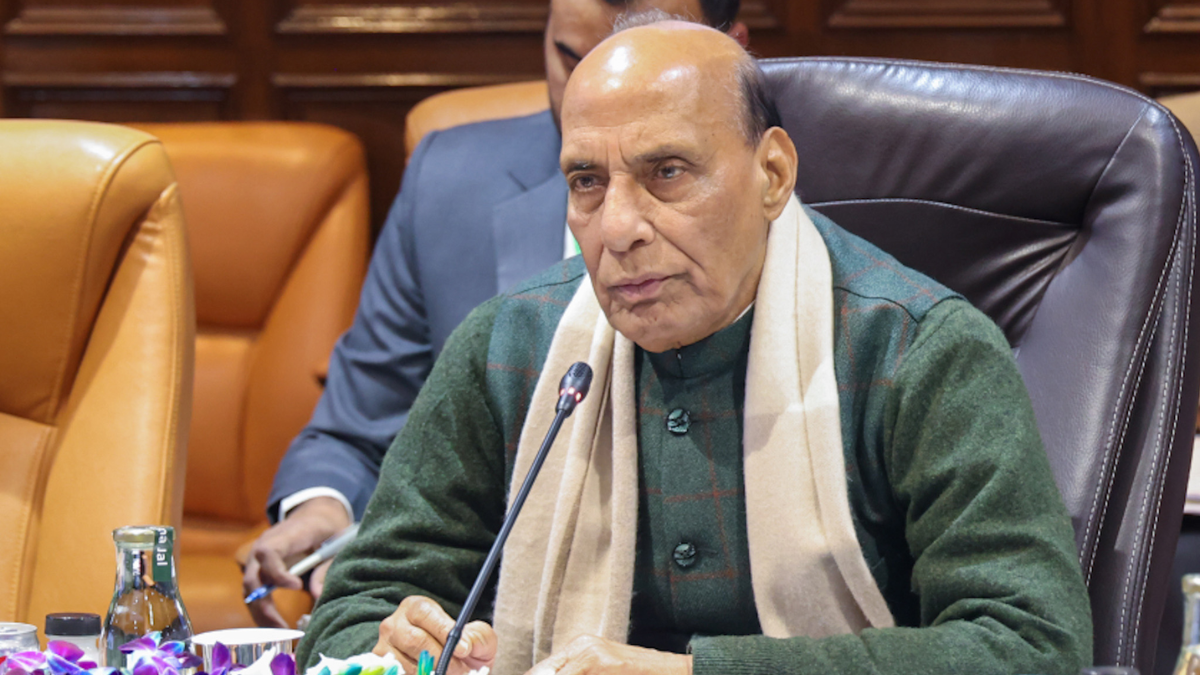

The Ministry of Defence released the draft of the Defence Acquisition Procedure (DAP) 2026 on February 13, 2026, which is set to replace the existing 2020 version. The new draft framework has been designed to bolster self-reliance, accelerate acquisition timelines, and empower the Indian defence industrial ecosystem.
According to the Ministry, DAP 2026 aims to expand the indigenous defence manufacturing base, reduce import dependency and position India as a global leader in defence technology. The proposed framework seeks to achieve these objectives by streamlining processes, enhancing indigenous content mandates and introducing innovative procurement categories.
The major changes proposed in DAP 2026 as compared to DAP 2020 include the reduction of procurement categories from five to four. The draft also defines indigenous design within the procedure to promote Aatmanirbharta or self-reliance, according to the Ministry of Defence.
Under the Buy (Indian–Indigenous Design, Development and Manufacture) category, the indigenous content requirement has been raised from 50 percent to 60 percent, along with provisions for incentives. The draft proposes the involvement of subject experts in the finalisation of Services Qualitative Requirements (SQRs)/Specifications and in the oversight of trials.
Two new procedures have been introduced—Long Term Bulk Acquisition to provide industry visibility and Low-Cost Capital Acquisition for fast-moving, low-cost technology items. The draft also introduces Technology Readiness Level (TRL)-based categorisation.
An ab-initio single vendor provision has been allowed in the Buy (Indian–Indigenous Design, Development and Manufacture) category for TRL 6 to 9 equipment. The draft further provides for two-stage trials.
The Fast Track Procedure has been refined with downward delegation for procurement involving emerging and shorter development cycle technologies. The draft also provides for compensation to all vendors who are successful in trial evaluations.
The Development-cum-Production Partner (DcPP) selection process for DRDO projects has been reviewed to ensure a level playing field. Make/iDEX projects have been updated with spiral development and five years of assured orders.
In addition, the services will have the option to choose the mode of Quality Assurance trials to enable a faster procurement cycle. The draft also provides for monitoring of timelines from the Request for Information (RFI) stage onwards and for planning concurrent activities to achieve reduced acquisition timelines.